Canopy or Conifers Forest Types Challenge
Quiz Complete!
Reading the Forest: How Canopies, Conifers, Climate, and Disturbance Shape Woodland Worlds
Forests may look like a simple crowd of trees, but scientists classify them the way a detective solves a case: by collecting clues about climate, leaf type, water, and the natural events that periodically knock the system back and let it regrow. Once you start noticing these clues, a walk in the woods becomes a kind of field quiz. Are the trees mostly needle leaved or broadleaved? Do they drop leaves all at once, or stay green through winter? Is the ground soggy, salty, or dry enough to crack? And does the landscape show signs of fire, flooding, windstorms, or freezing that regularly resets the vegetation?
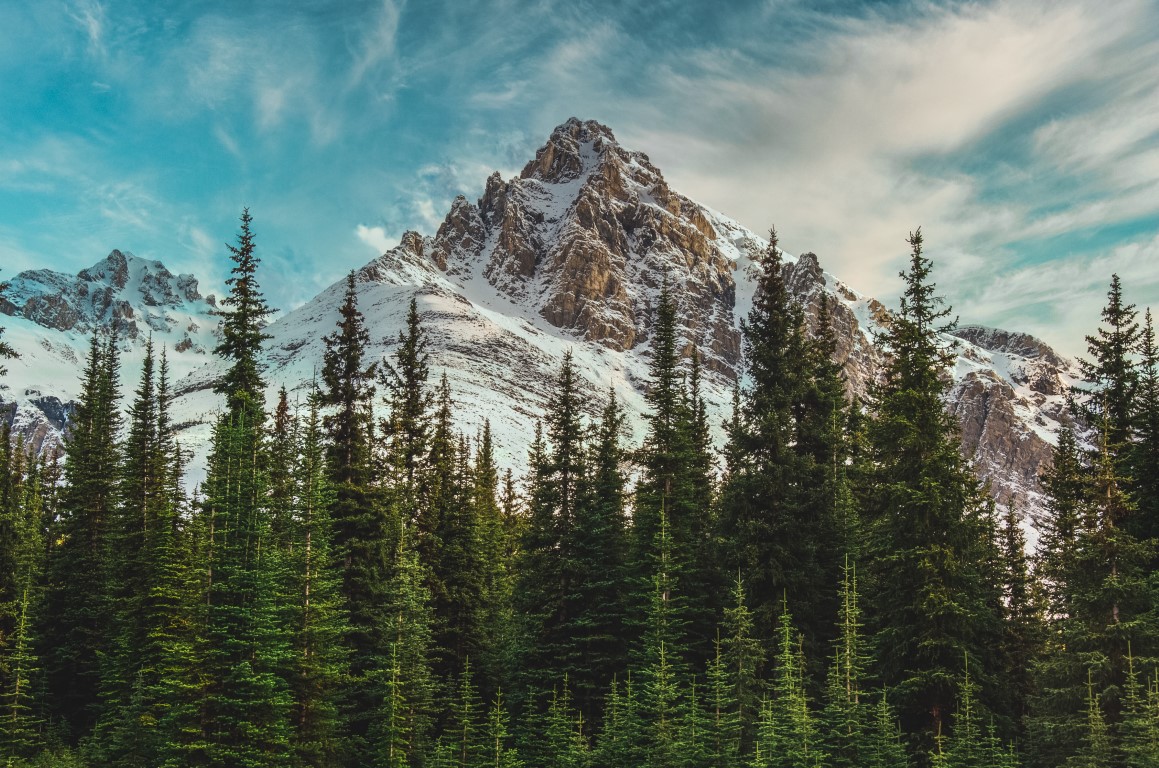
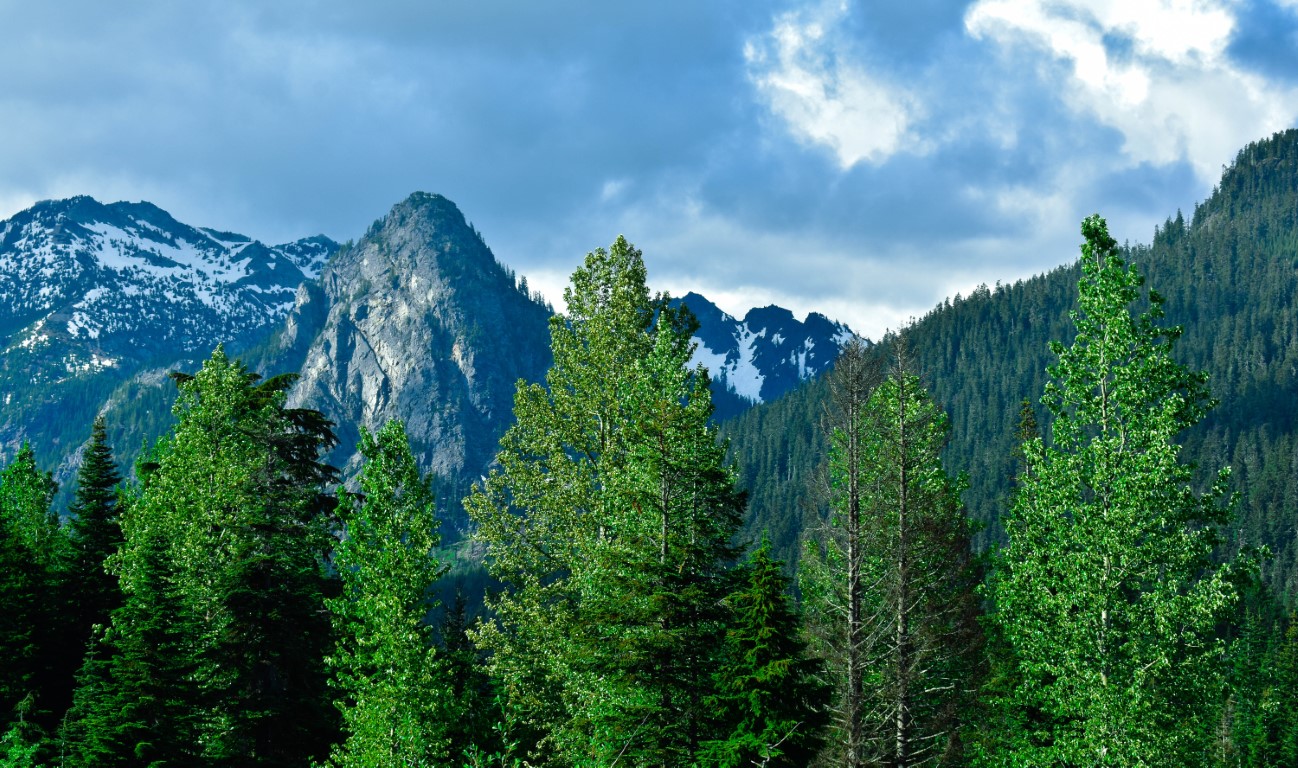
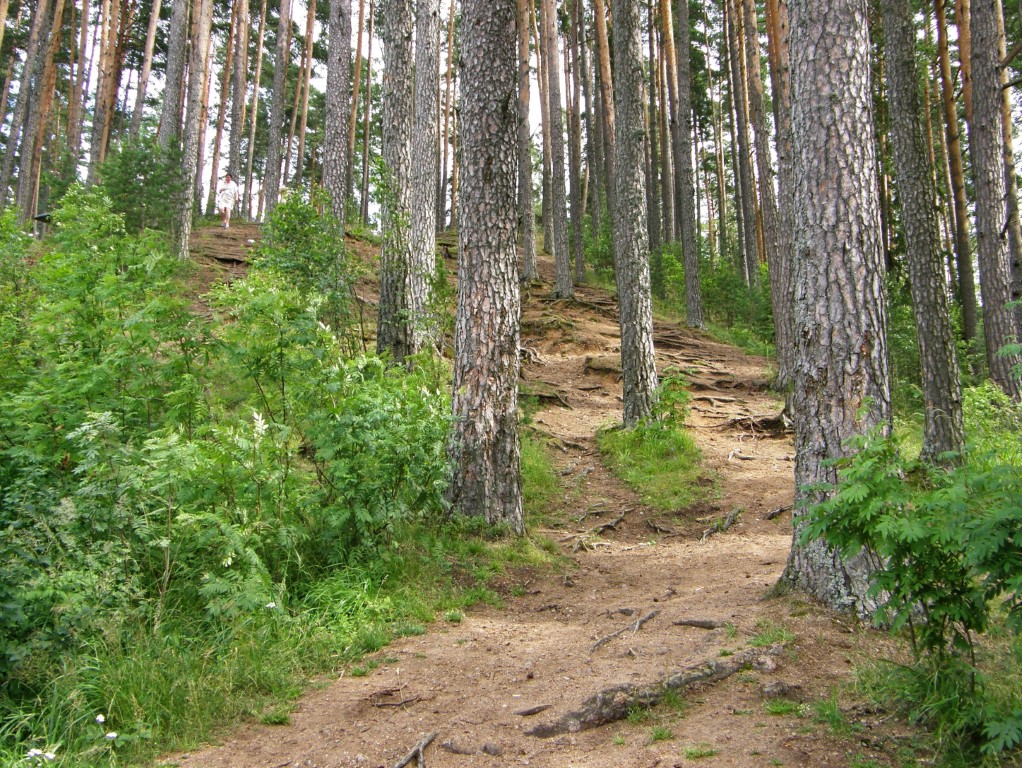
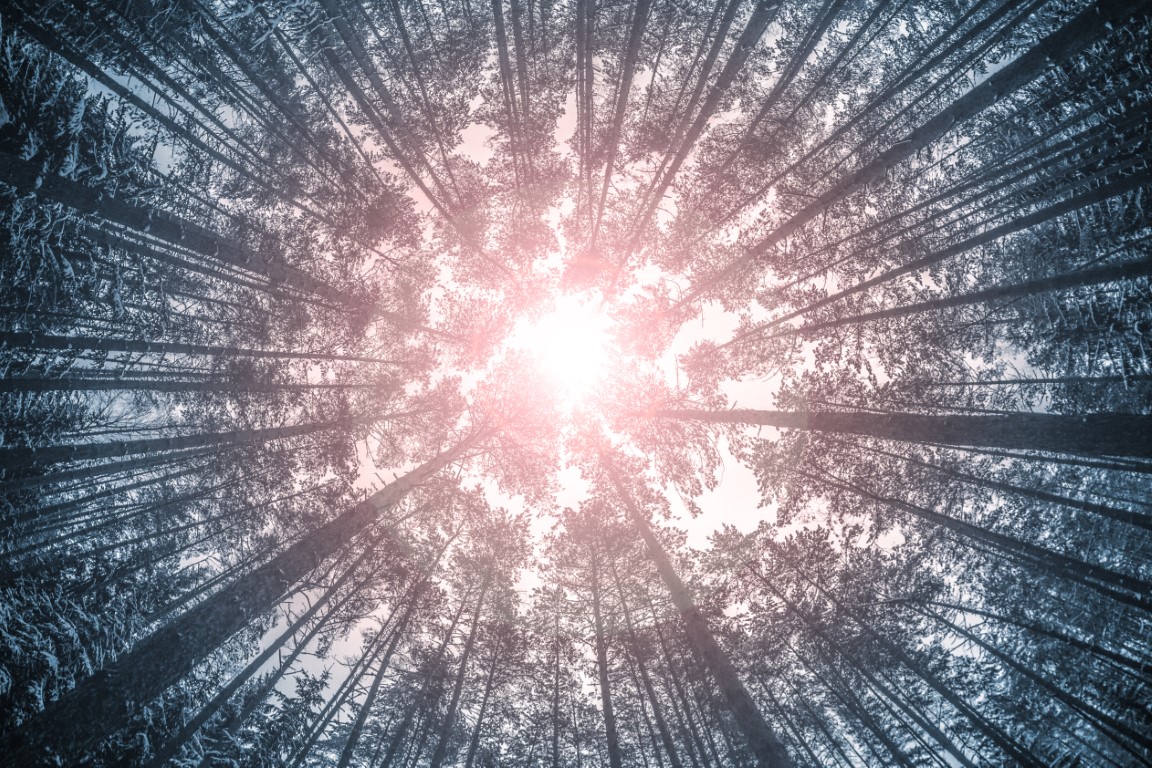
One of the biggest divides is between forests dominated by conifers and those dominated by broadleaf trees. Conifers, like spruces, pines, firs, and larches, often thrive where winters are long or soils are poor. Their needles lose less water than broad leaves, and the conical shape of many conifers helps shed snow. That is why the boreal forest, also called taiga, forms a vast belt across Canada, Alaska, Scandinavia, and Russia. The taiga can feel quiet and sparse compared with a tropical forest, yet it stores enormous amounts of carbon, much of it locked in cold soils and peat. Fires are not just disasters there; they are part of the cycle. Some cones even open better after heat, and many boreal landscapes are mosaics of different ages because burns and insect outbreaks arrive in pulses.
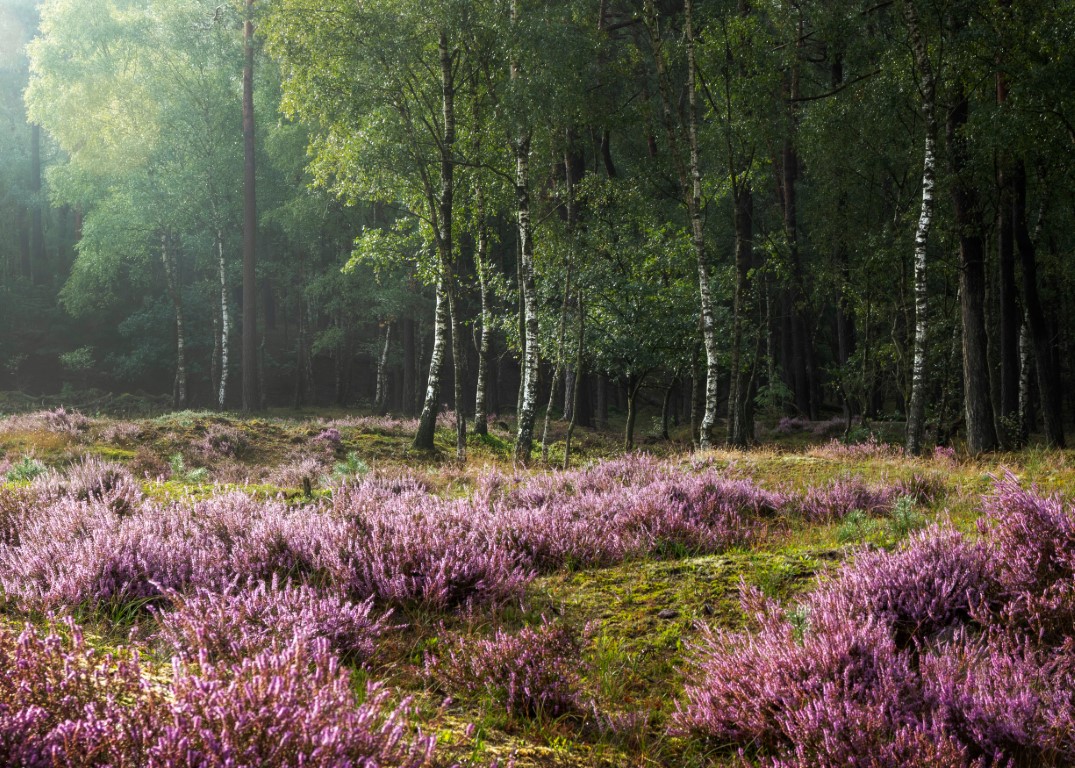
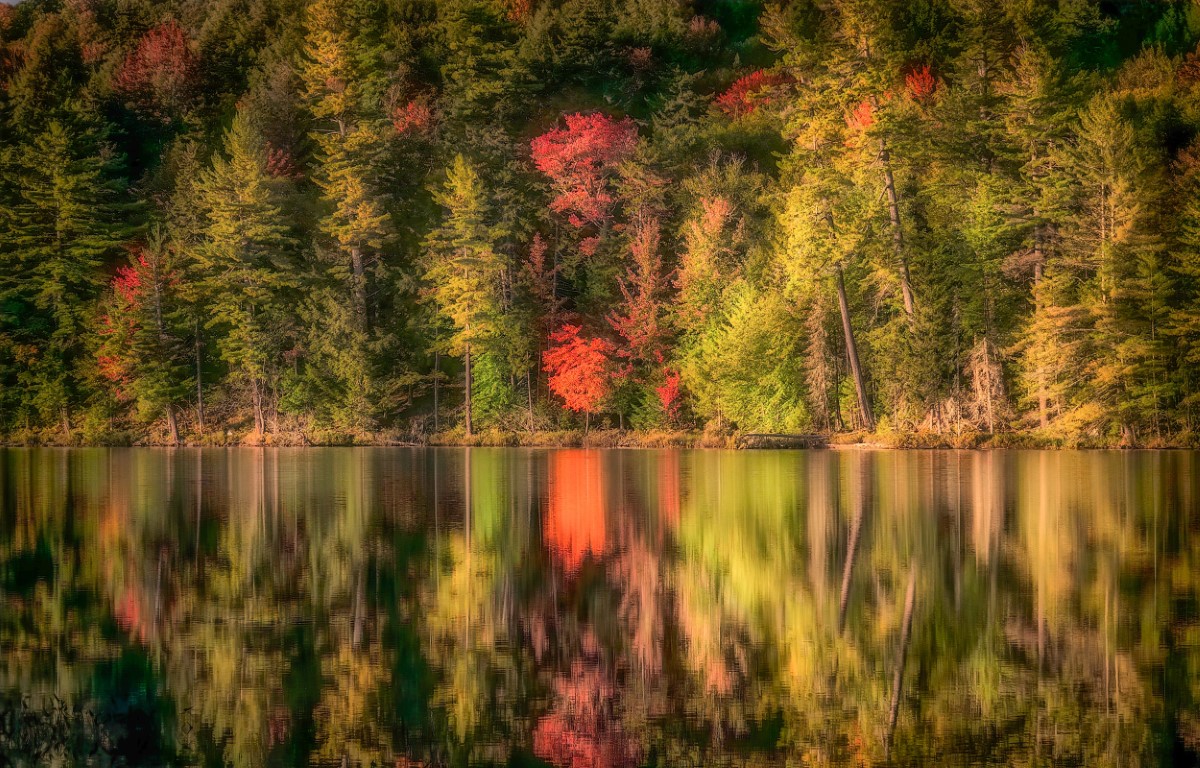
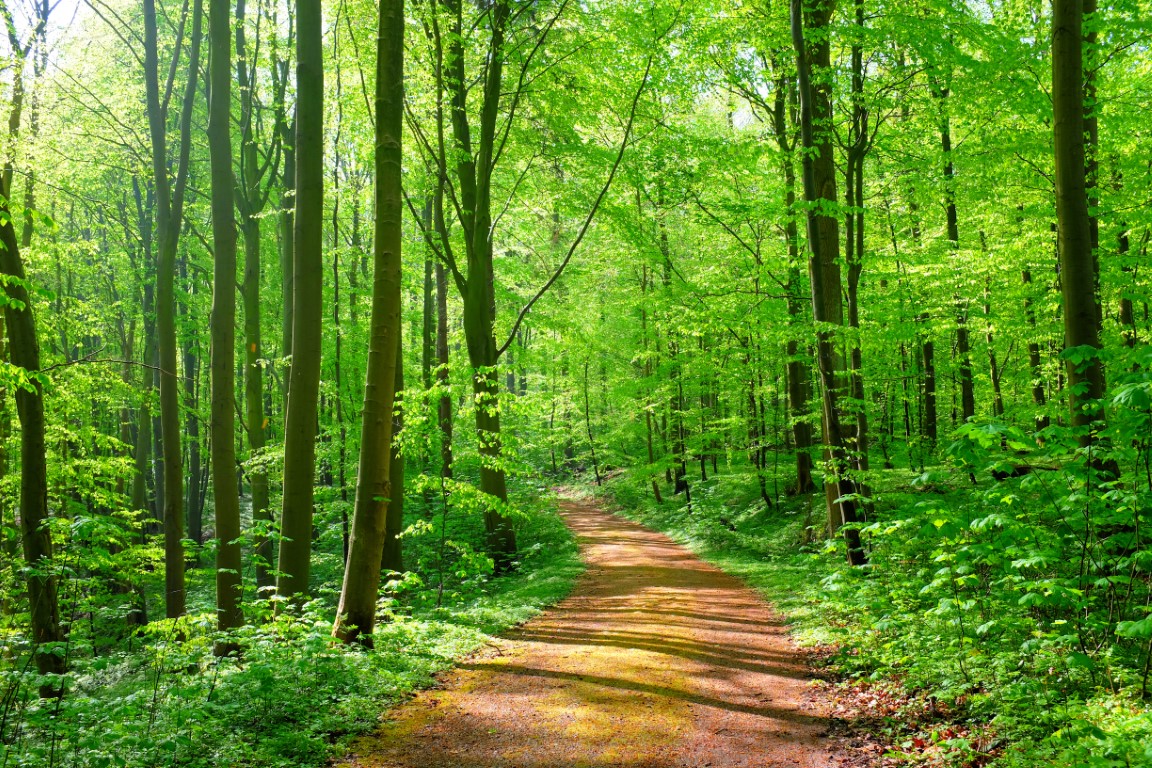
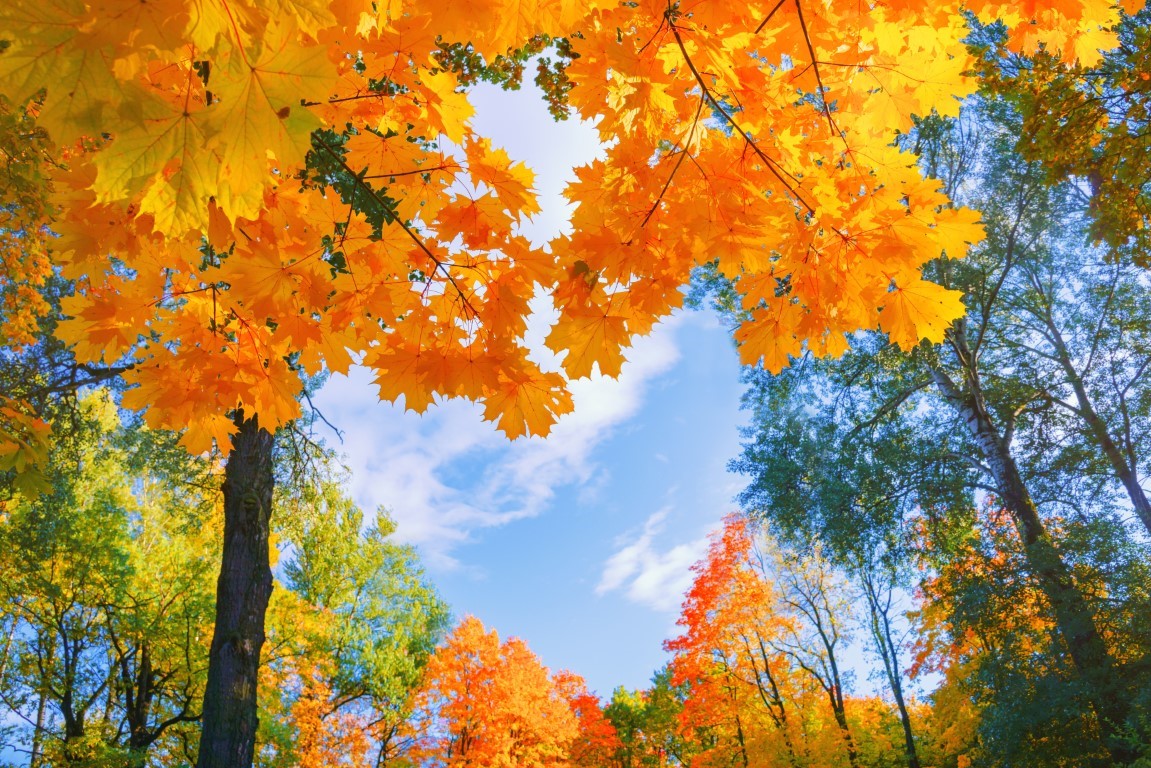
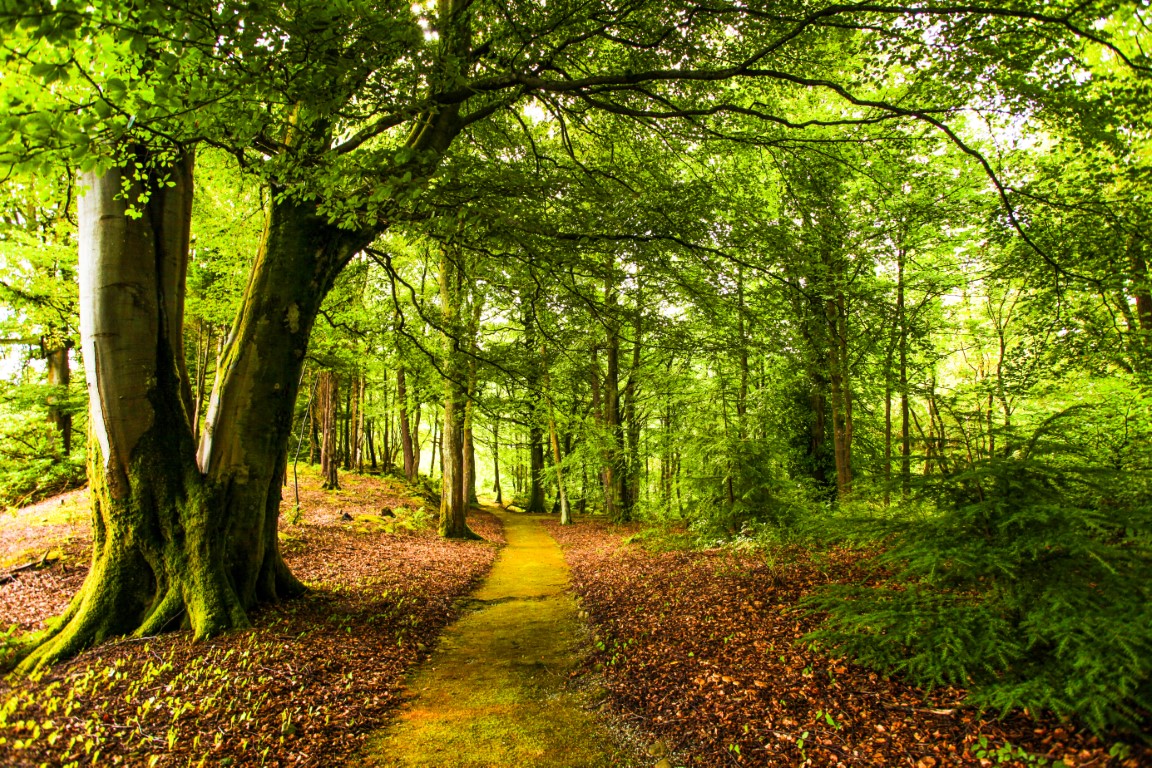
Temperate forests sit in the middle latitudes and come in several flavors. Temperate deciduous forests feature broadleaf trees such as oaks, maples, beeches, and birches that drop their leaves to survive freezing winters. Leaf drop is a clever trade: trees avoid winter water loss and damage, then race to rebuild a canopy in spring. That seasonal canopy creates a yearly rhythm on the forest floor, with spring wildflowers taking advantage of sunlight before the leaves return. Temperate rainforests, found in places like the Pacific Northwest, southern Chile, and parts of New Zealand, are a different story. They are cool rather than tropical, but very wet, supporting towering evergreens, thick moss, and a multi layered canopy that can feel like a living sponge.
Tropical forests are shaped less by temperature and more by rainfall patterns. Tropical rainforests stay warm year round and receive frequent rain, allowing trees with broad leaves to keep growing. The famous layered structure, from understory to canopy to emergent giants, creates countless niches. Many animals spend most of their lives in the canopy, and some plants never touch the ground, living as epiphytes on branches where light is stronger. In contrast, tropical dry forests experience a pronounced dry season. Many trees there are deciduous, dropping leaves not because of cold, but to save water. If you see leafless trees under a hot sun, that can still be a tropical forest.
Water can also define a forest as strongly as climate. Mangrove forests grow along tropical and subtropical coasts where salt water and tides would kill most trees. Mangroves solve the problem with specialized roots that can handle salty conditions and low oxygen mud. Their tangled root systems protect shorelines from storms and provide nurseries for fish and crabs. Farther inland, floodplain forests and swamp forests are shaped by periodic inundation. In these places, timing matters: some species can tolerate weeks of flooding, others only brief rises.
Disturbance is the final big clue. Fire favored forests often have thick bark, resprouting ability, or seeds that germinate after a burn. Flood driven forests show scoured banks and seedlings that establish on fresh sediment. Wind shaped forests may have patchy gaps where storms topple trees, letting sunlight pour in and restart succession. Even without expert equipment, you can read these histories by looking for charcoal in soil, even aged stands, water marks on trunks, or a mix of young and old trees.
Forest classification is not just labeling; it is a way to predict how a forest works and how it may change. A conifer stand in a cold climate will respond differently to warming than a mangrove coping with sea level rise. The next time you notice needles underfoot, broad leaves overhead, salty air on the breeze, or a carpet of moss fed by constant drizzle, you are already using the same clues ecologists use to sort the world’s forests into their remarkable types.
-287005.jpg)