Chalkboard Gauntlet for History and Academia











Quiz Complete!
From Medieval Lecture Halls to Modern Peer Review: The Long Game of Academic History
If trivia can feel like a sprint, academic history is usually a marathon. The world behind a tough history and academia quiz is built from slow-moving institutions, fragile documents, and arguments that can last for generations. Many of the habits we associate with university life began in medieval Europe, when places like Bologna and Paris developed as communities of scholars and students with legal privileges. Bologna became famous for law, while Paris was known for theology, and the word university originally described a corporate body, not a campus. Lectures were often based on authoritative texts read aloud and explained, which made books and copying technologies central to learning. The later spread of paper in Europe and, eventually, printing helped push scholarship from rare manuscripts toward wider circulation, changing who could participate in debates.
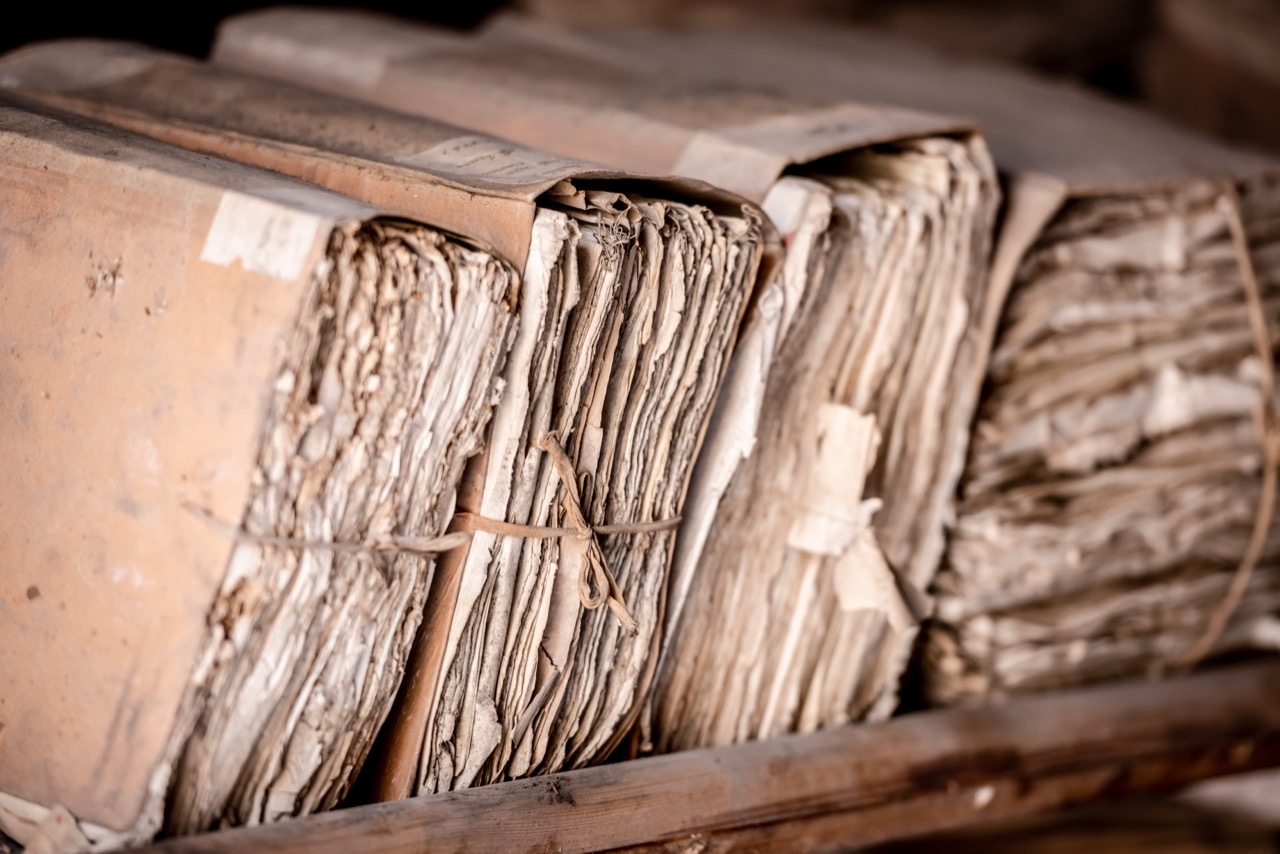
History as a discipline matured alongside these institutions. One key distinction that trips people up is the difference between primary and secondary sources. A primary source is direct evidence from the period being studied, such as a diary, court record, census, photograph, or treaty. A secondary source interprets that evidence, like a modern scholarly book about the French Revolution. Yet nothing is automatically reliable just because it is “primary.” A propaganda poster is still primary, but it tells you as much about persuasion and power as it does about events. That is why historians practice source criticism: asking who created a document, for what audience, under what pressures, and with what blind spots.
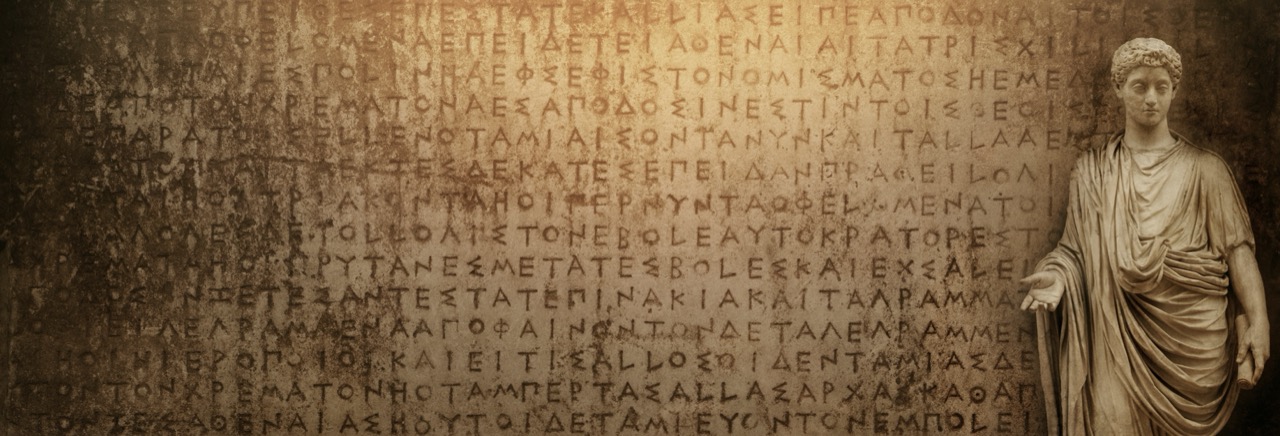
The term historiography refers to the history of historical writing and interpretation. It is not just a fancy synonym for history; it tracks how explanations change over time. Empires, revolutions, and social movements often get rewritten as new archives open, new methods appear, or new questions become urgent. The rise of professional history in the nineteenth century is often associated with Leopold von Ranke and the ideal of grounding narratives in archival research, even if later scholars challenged the notion that any account can be purely objective. In the twentieth century, approaches multiplied: economic history, social history, cultural history, microhistory, and postcolonial critiques all offered new lenses, sometimes clashing over what counts as evidence and whose experiences matter.
Academic norms also evolved to manage trust. Peer review, now a cornerstone of scholarly publishing, is meant to filter errors and improve arguments before they become part of the research record. It is not a guarantee of truth, but a structured form of skepticism. Citations and footnotes may look like fussy details, yet they are the visible wiring of scholarship. They allow readers to trace claims back to sources, evaluate whether evidence was used fairly, and follow a trail into deeper reading. Even the style of citation can hint at disciplinary culture: historians often favor notes that support narrative flow, while other fields emphasize compact in-text references.
Some of the most important turning points in academic life involve institutions rather than single geniuses. Research universities, shaped strongly by German models in the nineteenth century, emphasized specialized training and original research. Libraries, archives, and museums became engines of scholarship, while state bureaucracies produced vast records that later historians would mine. Meanwhile, the machinery of empire influenced what knowledge was collected, classified, and taught. Colonial administrations gathered maps, linguistic surveys, and ethnographic reports that can be valuable sources today, but they also reflect unequal power and agendas.
A demanding quiz in this area rewards attention to terms that sound similar but differ in meaning, like methodology versus historiography, or evidence versus interpretation. It also rewards a sense of chronology: when universities formed, when printing spread, when professional standards hardened, and when new theories disrupted old certainties. The fun lies in recognizing that behind every date and name sits a larger story about how humans organize knowledge, argue about the past, and decide what deserves to be taught. In that sense, the real gauntlet is not memorizing facts, but learning how the academic world learned to think.