Chitin and Ceremony Insects in Human Traditions
Quiz Complete!
Chitin and Ceremony: How Insects Became Symbols in Human Traditions
Insects may be small enough to overlook, yet they have shaped human imagination on a grand scale. Long before modern biology explained metamorphosis and pollination, people watched insects closely because their lives seemed to mirror mystery, labor, death, and renewal. That close attention turned bees, butterflies, beetles, and silkworms into cultural symbols that still appear in rituals, art, jewelry, language, and even food.
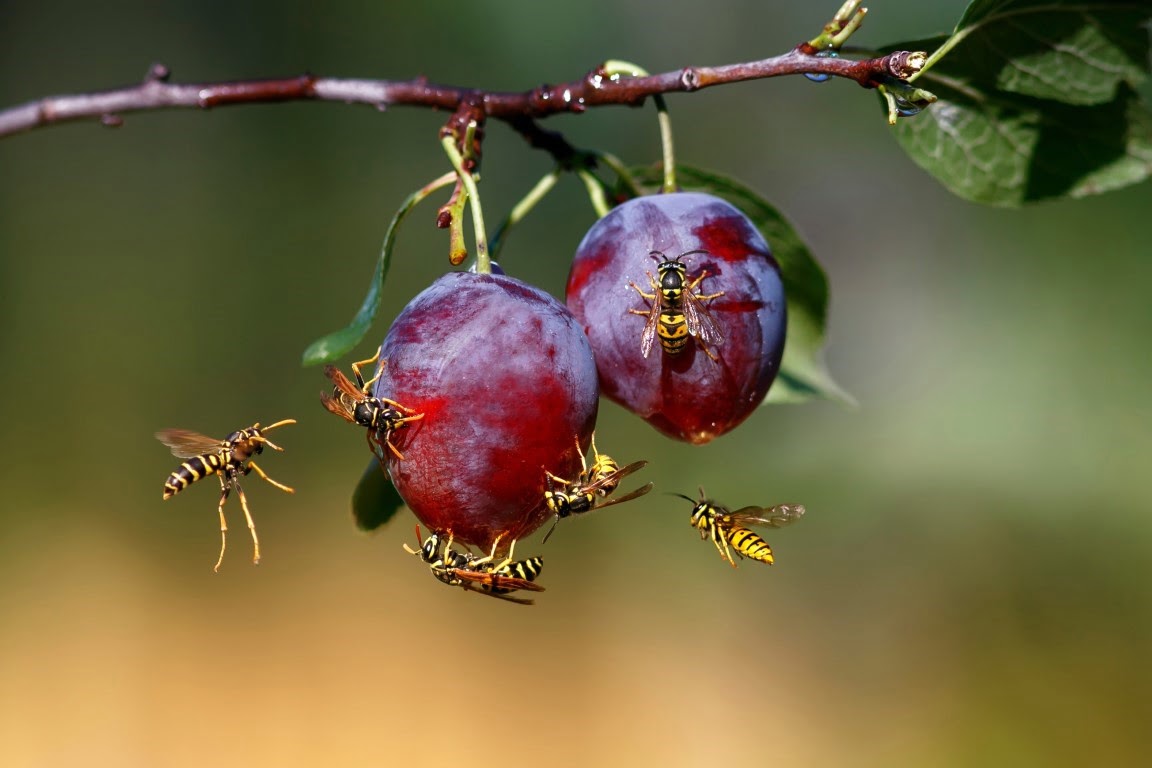
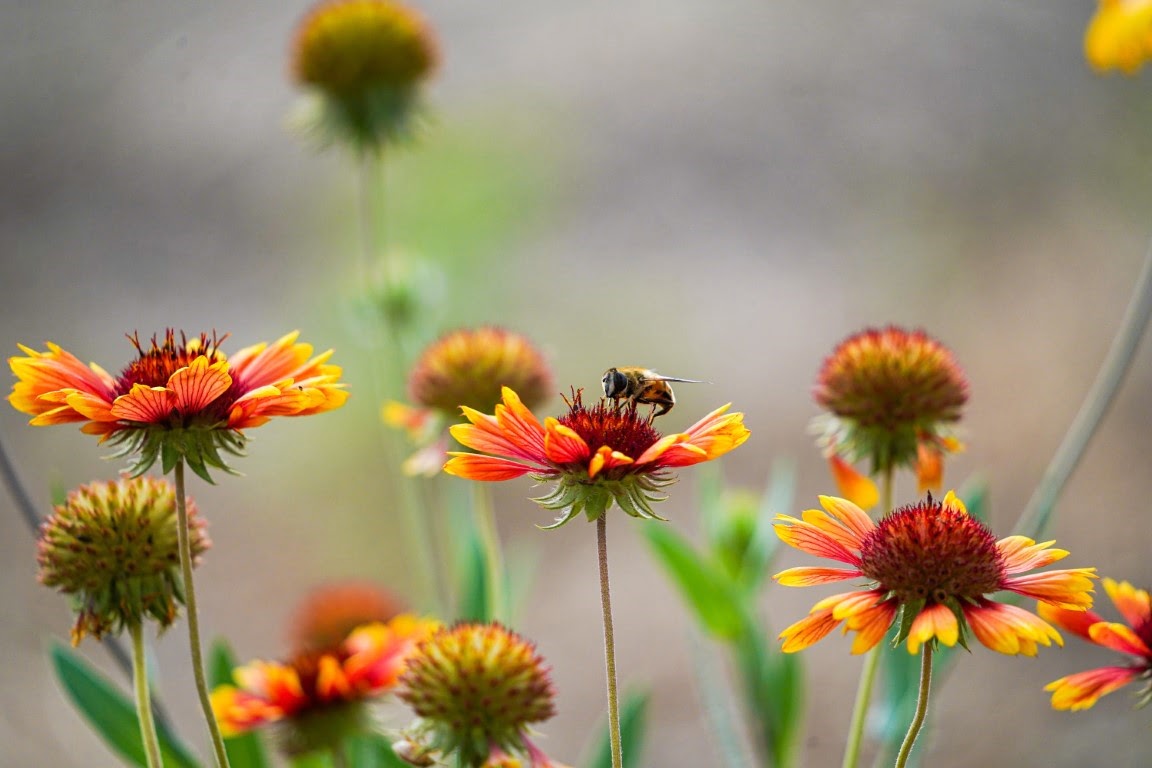
Few insects have earned as much respect as the bee. In many societies, the beehive became a model of ideal community: organized, productive, and resilient. Honey, one of the rare natural sweeteners available for most of history, made bees economically important, but their cultural value went further. Honey has been used in offerings, celebratory drinks, and healing practices, and it often carried a sense of purity or blessing because it seemed to come from flowers transformed into something enduring. Beeswax, too, mattered. Candles made from it burned cleaner and longer than many alternatives, which helped connect bees to ceremony, remembrance, and sacred spaces.
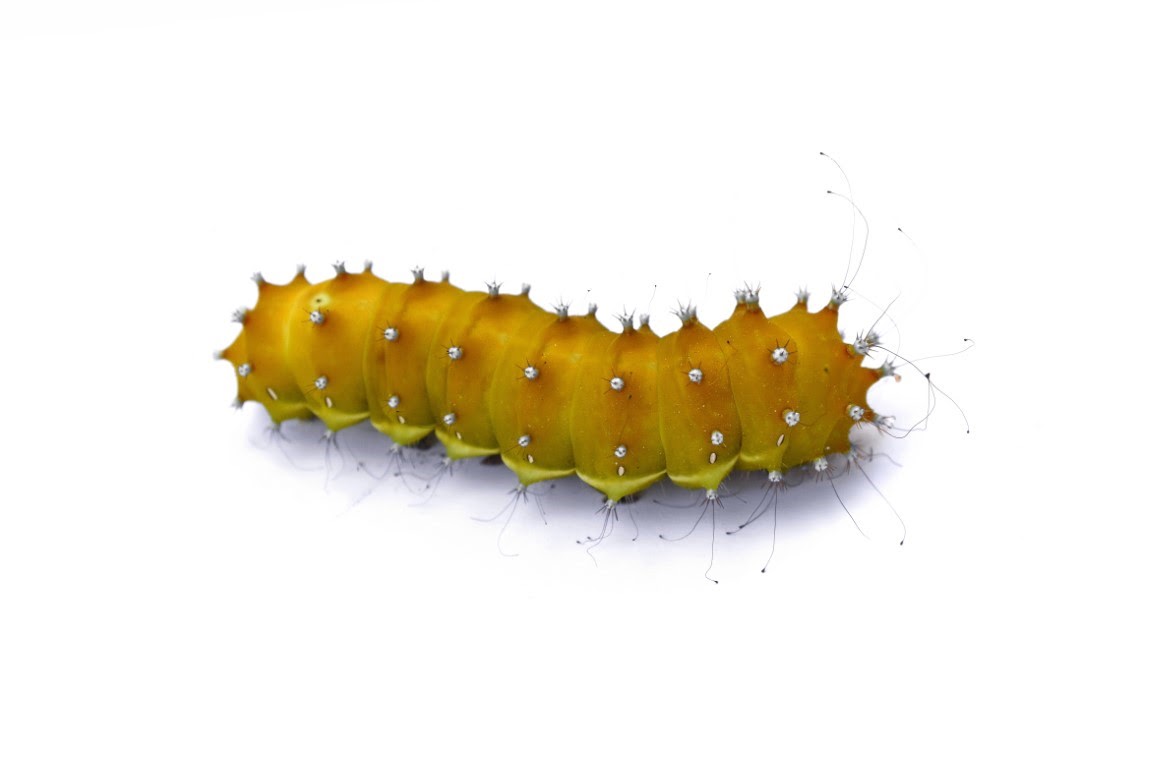
Metamorphosis gave butterflies and moths a special place in beliefs about the soul and rebirth. A caterpillar that becomes a winged adult looks like a living parable: a humble creature entering a hidden stage and emerging transformed. That story naturally attached itself to ideas of renewal after hardship, seasonal return, or life after death. In different regions, butterflies have been treated as messengers, omens, or embodiments of ancestors. Even when interpretations vary, the emotional logic is consistent: transformation is visible, dramatic, and hard to ignore.
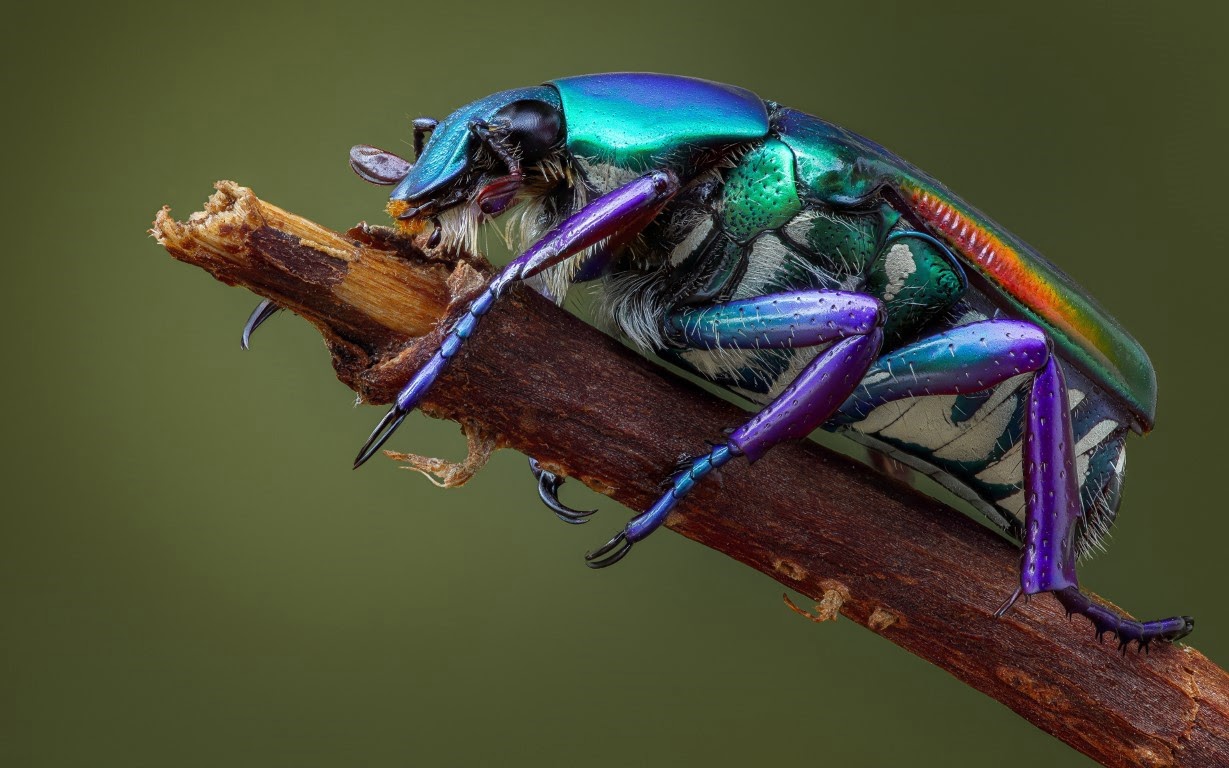
Beetles, especially scarabs, show how an insect can become an emblem of cosmic order. Ancient Egyptians observed dung beetles rolling balls across the ground and linked that motion to the sun’s journey, turning the scarab into a symbol of creation and daily renewal. Scarab amulets were placed in tombs and worn in life, suggesting that a small creature could stand for protection, continuity, and the hope that life’s cycles extend beyond one lifetime.
Silkworms represent another kind of transformation, one driven by human partnership with nature. Silk production relies on a delicate chain of care: feeding the larvae, gathering cocoons, and turning filament into thread. Because silk is both luxurious and labor-intensive, it became associated with status, diplomacy, and refined ceremony. In places where sericulture flourished, silk was more than fabric. It was a marker of identity, a gift with political weight, and a material tied to rites of passage such as weddings and formal dress.
Insects also enter tradition through sound and season. Cicadas, emerging in great numbers, have inspired stories about time, patience, and sudden abundance. Their chorus can signal summer, and their long underground development has encouraged people to think about hidden growth and delayed reward. Fireflies, appearing like drifting sparks, have been linked to festivals, romance, and remembrance, their brief lights turning ordinary nights into shared spectacle.
Language preserves these relationships. We praise someone as “busy as a bee,” describe social “hives” of activity, and use “butterfly” to name nervous excitement. Such phrases reveal how often insect behavior becomes a metaphor for human feeling and work.
Food traditions provide another window into cultural meaning. In many parts of the world, insects have been valued as seasonal delicacies or dependable protein, eaten not only for survival but as part of local identity. Whether celebrated at markets or shared during festivals, these practices show that insects can be symbols not just in stories and art, but also at the table.
Across continents and centuries, insects have served as tiny mirrors for big ideas: cooperation, transformation, endurance, and the thin boundary between the everyday and the sacred. Seeing culture through compound eyes means noticing how a creature’s life cycle, products, or habits can become a language of belief, stitched into ceremony and carried forward in memory.
-287005.jpg)