Footnotes and Fixes Hidden Stories of Scholarship








Quiz Complete!
Footnotes and Fixes: The Hidden Stories of Scholarship
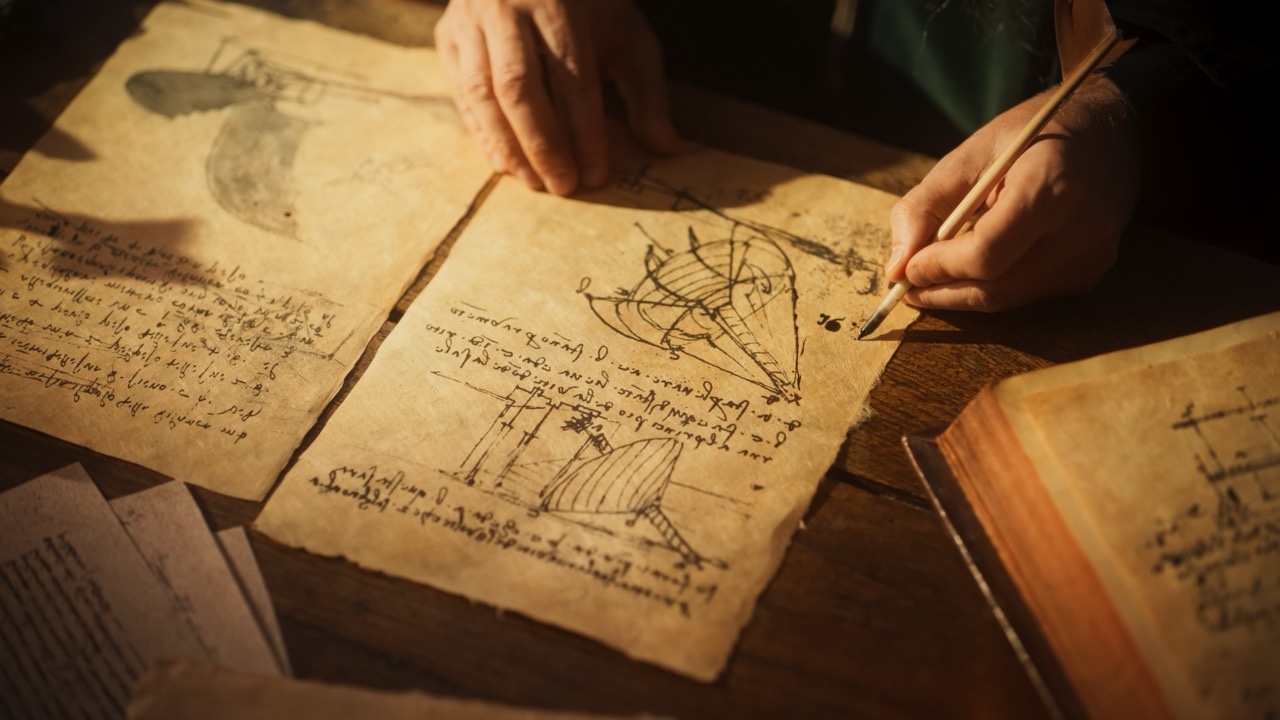
Many of the most revealing academic stories happen far from the spotlight. The polished book on a shelf or the famous article assigned in class often hides a messy path of drafts, missing evidence, hurried compromises, and quiet decisions about what to include or leave out. If you want to understand how knowledge travels, it helps to look at the backstage machinery: marginal notes, corrected proofs, letters between rivals, and the practical problems of doing research when ink, paper, or access to archives were scarce.
Footnotes may look like humble add-ons, but they are often the true narrative of how a claim was built. They show where an author found a key quotation, which translation they trusted, and what they chose not to debate in the main text. In earlier centuries, scholars used notes to argue with each other without derailing the central story. Sometimes a footnote is a peace treaty, acknowledging another researcher to avoid a public feud. Other times it is a quiet jab, politely signaling that a competitor’s interpretation rests on shaky ground.
Pseudonyms and anonymity have their own hidden logic. Writers have used false names to protect themselves from censorship, to avoid professional backlash, or to separate a risky argument from a respectable career. In some cases, anonymity helped an idea get judged on its merits rather than the author’s identity. In other cases, it was a marketing strategy, creating mystery or allowing a publisher to present a work as if it came from an insider. The detective work of identifying an author can involve handwriting comparison, patterns of phrasing, references to local events, and even the paper and ink used in surviving copies.
Lost pages and altered editions are another source of scholarly drama. A text may survive in multiple versions, each shaped by different pressures: a printer running out of space, a patron wanting a flattering mention, a legal threat, or an author who changed their mind. Early printing made it possible for errors to multiply quickly. A single misread line could travel through later editions and become a widely repeated “fact.” That is why historians care about first editions, printer’s proofs, and errata lists. Those small correction pages, sometimes tucked at the back, can reveal what the author noticed too late and what the publisher decided was not worth fixing.
Funding and access often determine which questions get asked at all. Research has long depended on patrons, institutions, and occasionally discreet sponsors. A grant can open doors to archives, pay for copying fragile documents, or support travel that would otherwise be impossible. But funding can also shape the story indirectly, encouraging certain topics and discouraging others. Scholars learn to read acknowledgments carefully, because they can hint at networks of influence, shared data, or the practical constraints behind a project.
Authenticity is a constant concern, and the methods for verifying it can be surprisingly hands-on. Beyond reading the words, historians examine materials: the watermarks in paper, the chemical composition of ink, the binding style, and the wear patterns that suggest how a document was handled. They compare a text’s vocabulary with other works from the same period, looking for anachronisms that would be unlikely in a genuine source. They also track provenance, the chain of custody that shows where an item has been and who might have had the chance to alter it.
The human side of scholarship is never far away. Rivalries can sharpen arguments and speed up publication, but they can also lead to rushed claims. Mistakes happen: misdated letters, mistranslated phrases, and overconfident interpretations. Yet scholarship also rewards clever workarounds. When archives were closed, researchers relied on copies made by earlier readers. When travel was impossible, they built long-distance collaborations through letters, trading excerpts and debating interpretations across borders.
Paying attention to these hidden stories makes reading more exciting. It turns a finished work into a record of choices, constraints, and investigations. The next time you see a footnote, a revised edition, or a mysterious attribution, you are looking at clues. Scholarship is not just a set of answers; it is a trail of evidence, and the most interesting parts are often written in the margins.