Invented Tomorrow Tech Breakthroughs Trivia





Quiz Complete!
From Electric Sparks to Invisible Algorithms: The Breakthroughs That Built Everyday Life
Many of the tools that feel ordinary today began as daring guesses about the future. A good way to trace modern life is to follow a chain of inventions, each one solving a specific problem while accidentally opening doors to entirely new industries. The story often starts with electricity, when researchers learned how to generate, store, and control current. Early experiments with batteries and electromagnetism turned mysterious sparks into something predictable enough to power lights, motors, and communication. Once electricity could be produced reliably and distributed over distance, it stopped being a laboratory curiosity and became an infrastructure, the kind that quietly supports everything else.
Communication technologies grew quickly from that foundation. The telegraph showed that information could travel faster than any person or vehicle, and the telephone made that speed personal by carrying the human voice. Radio then cut the wire, proving that signals could be broadcast through the air. These breakthroughs were not just about convenience; they changed how societies coordinated, how businesses operated, and how people understood time and distance. A message that once took days could arrive instantly, and that shift laid the cultural groundwork for expecting real time updates in the digital era.
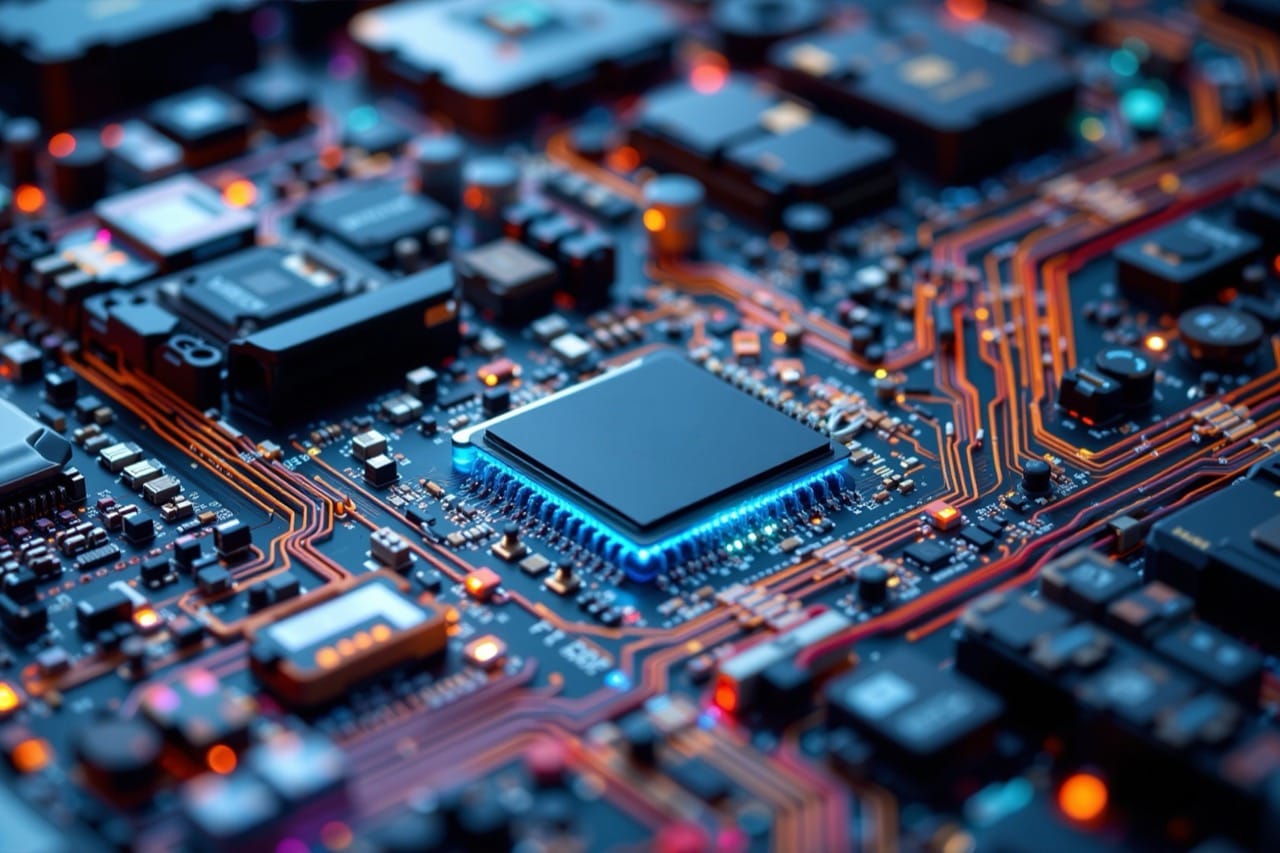
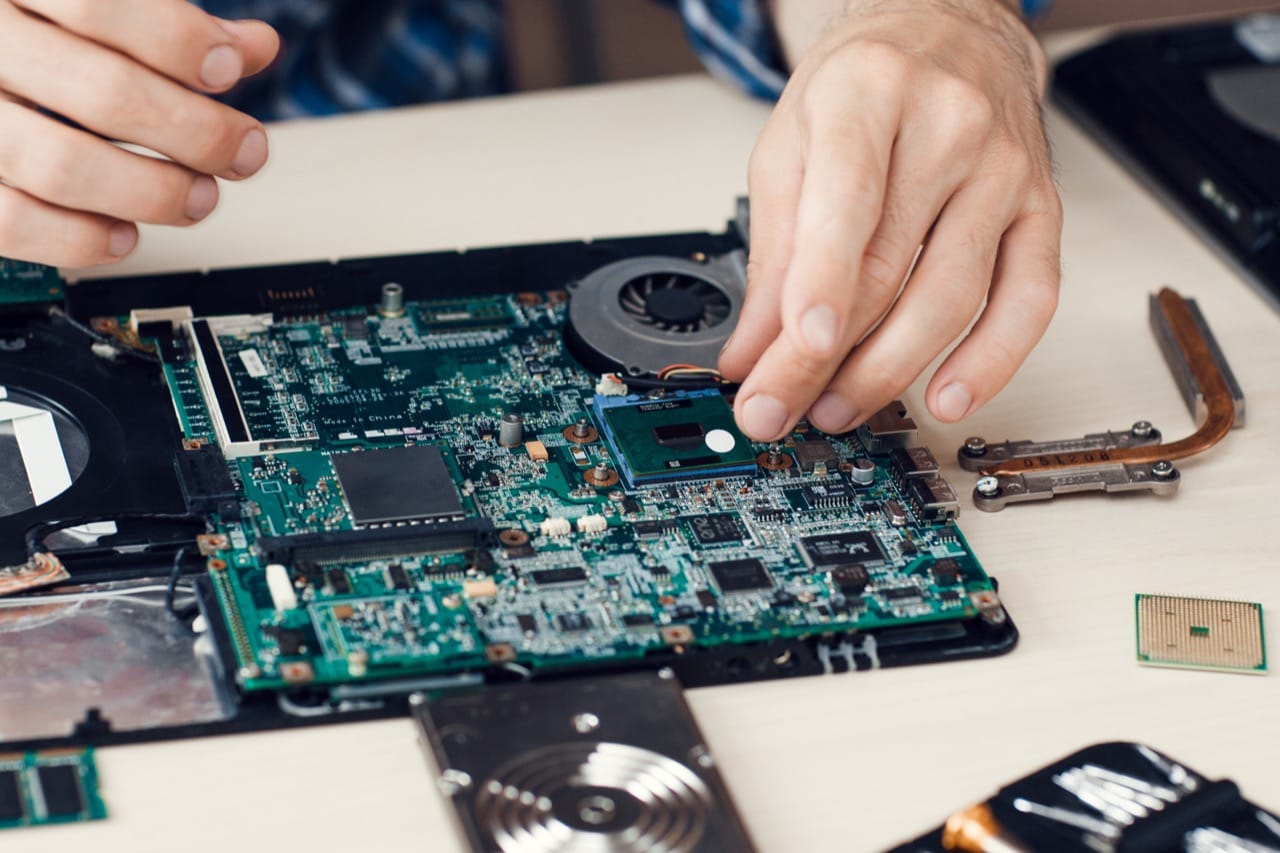
Computing began as a practical response to complex calculation. Early mechanical devices helped with navigation and engineering, but the leap came with programmable machines and electronic circuits. Pioneers built room sized computers that consumed enormous power yet performed tasks that are trivial for a phone today. What mattered was the idea of software, instructions that could be changed without rebuilding the machine. As transistors replaced vacuum tubes and integrated circuits packed more components into smaller spaces, computing stopped being reserved for governments and large companies. The microprocessor turned computers into products, and personal computers turned them into household tools.
The internet is often described as a single invention, but it is better understood as a set of agreements about how computers talk. Packet switching, routing, and shared protocols allowed different networks to interconnect. Email and the web later made the system easy to use, and suddenly information became both searchable and shareable at global scale. This also set the stage for today’s less visible technologies, like recommendation algorithms that decide what posts, videos, or products you see. Those algorithms are built from statistics, machine learning, and huge amounts of data, and they shape attention as much as older technologies shaped travel or trade.
Some of the most influential innovations are the ones you barely notice. Barcodes, for example, transformed retail by making checkout fast and inventory accurate. That efficiency changed supply chains, reduced costs, and enabled the modern expectation that a store will have what you want in stock. GPS is another quiet miracle. While people think of it as a map on a screen, GPS depends on precise timing. Satellites carry atomic clocks, and receivers calculate position by measuring tiny differences in signal arrival times. Without that timing accuracy, navigation would drift, and many systems beyond maps, including shipping logistics and some financial networks, would be less reliable.
The battery in your pocket is a story of chemistry and materials science. Lithium ion batteries became dominant because they store a lot of energy for their weight and can be recharged many times. Their development required advances in electrodes, electrolytes, and manufacturing, and it continues today as researchers try to improve safety, charging speed, and sustainability. Smartphones, wireless earbuds, and electric vehicles all depend on this progress, and so does the push toward cleaner energy, since better batteries help balance the ups and downs of solar and wind power.
Across these breakthroughs, a pattern repeats: a mix of deliberate research, practical need, and occasional luck. A laboratory discovery becomes a prototype, a prototype becomes a product, and that product reshapes daily habits until it feels inevitable. Looking back at the timeline makes the present seem less like magic and more like a long series of clever solutions that kept building on each other, turning yesterday’s science fiction into today’s routine.