Sparks and Scientists Electricity Legends Quiz
Quiz Complete!
Sparks, Rivalries, and Rules: The Story Behind Everyday Electricity
Electricity can feel like a modern convenience, but the path to today’s effortless power was anything but smooth. Long before power plants and wall outlets, people noticed strange attractions and shocks. Ancient observers found that rubbing amber could make light objects cling to it, a clue that charge could be created and moved. Centuries later, curiosity turned into experiments. Benjamin Franklin became a symbol of this era, not because he “discovered” electricity in a single dramatic moment, but because he helped show that lightning and the sparks from early electrical machines were the same kind of phenomenon. His work encouraged the idea that electricity followed rules that could be tested, measured, and used.
As tools improved, scientists began to separate mystery from mechanism. Alessandro Volta’s battery, built from stacked metals and brine-soaked material, provided something earlier experimenters lacked: a steady source of electric current. With continuous current, researchers could do repeatable experiments instead of waiting for static sparks. This opened the door to Michael Faraday, who revealed one of the most important links in physics: changing magnetism can produce electricity. Faraday’s demonstrations of electromagnetic induction are the foundation of generators, the machines that still produce most of the world’s electricity by spinning coils in magnetic fields. You can think of a power station as Faraday’s insight scaled up with turbines turned by steam, water, or wind.
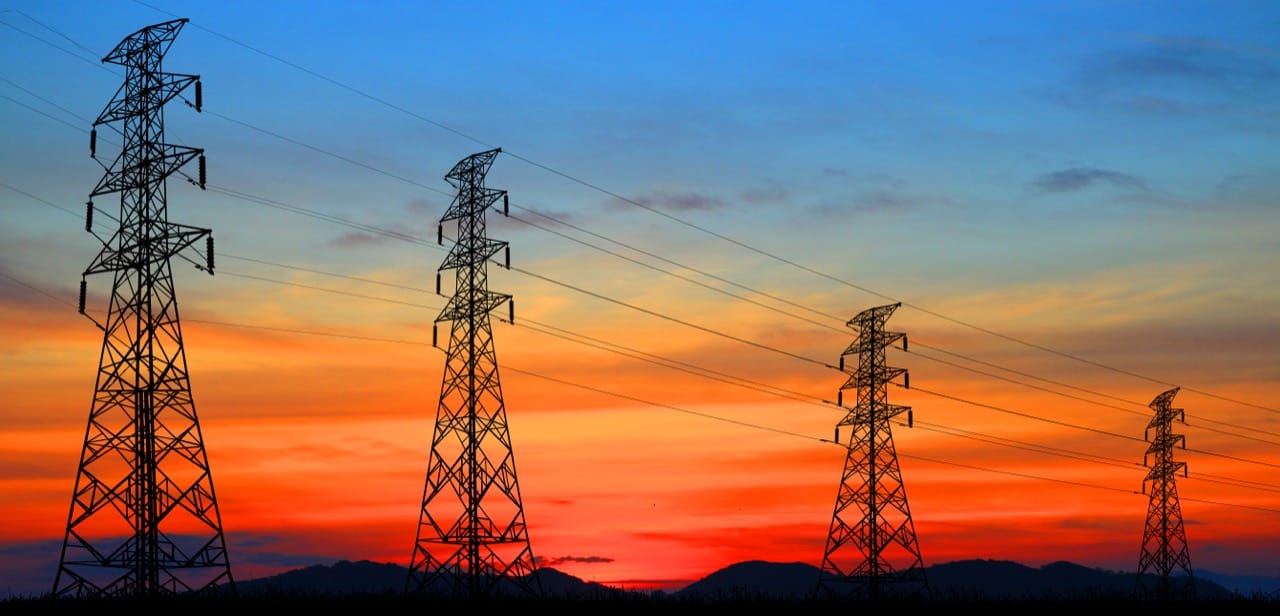
Electricity also sparked famous rivalries. In the late 1800s, Thomas Edison promoted direct current systems, while Nikola Tesla and George Westinghouse championed alternating current. The fight was not just personal; it was about practicality. Direct current is straightforward, but it is difficult to transmit efficiently over long distances without large losses. Alternating current can be transformed to higher voltages for transmission and lower voltages for safe use, making it well suited for building wide-area power grids. That ability to change voltage using transformers helped alternating current become the standard in most places.
To make sense of electricity, a few core concepts matter. Voltage is like electrical pressure, the push that encourages charges to move. Current is the flow rate of charge through a wire. Resistance is how strongly a material opposes that flow, turning some electrical energy into heat. These ideas come together in Ohm’s law, which relates voltage, current, and resistance in a simple relationship used constantly by engineers and hobbyists alike. Power, measured in watts, connects electricity to real-world effects: a brighter bulb, a warmer heater, or a faster phone charger. A kilowatt-hour, the unit on your electric bill, measures energy over time rather than instantaneous power.
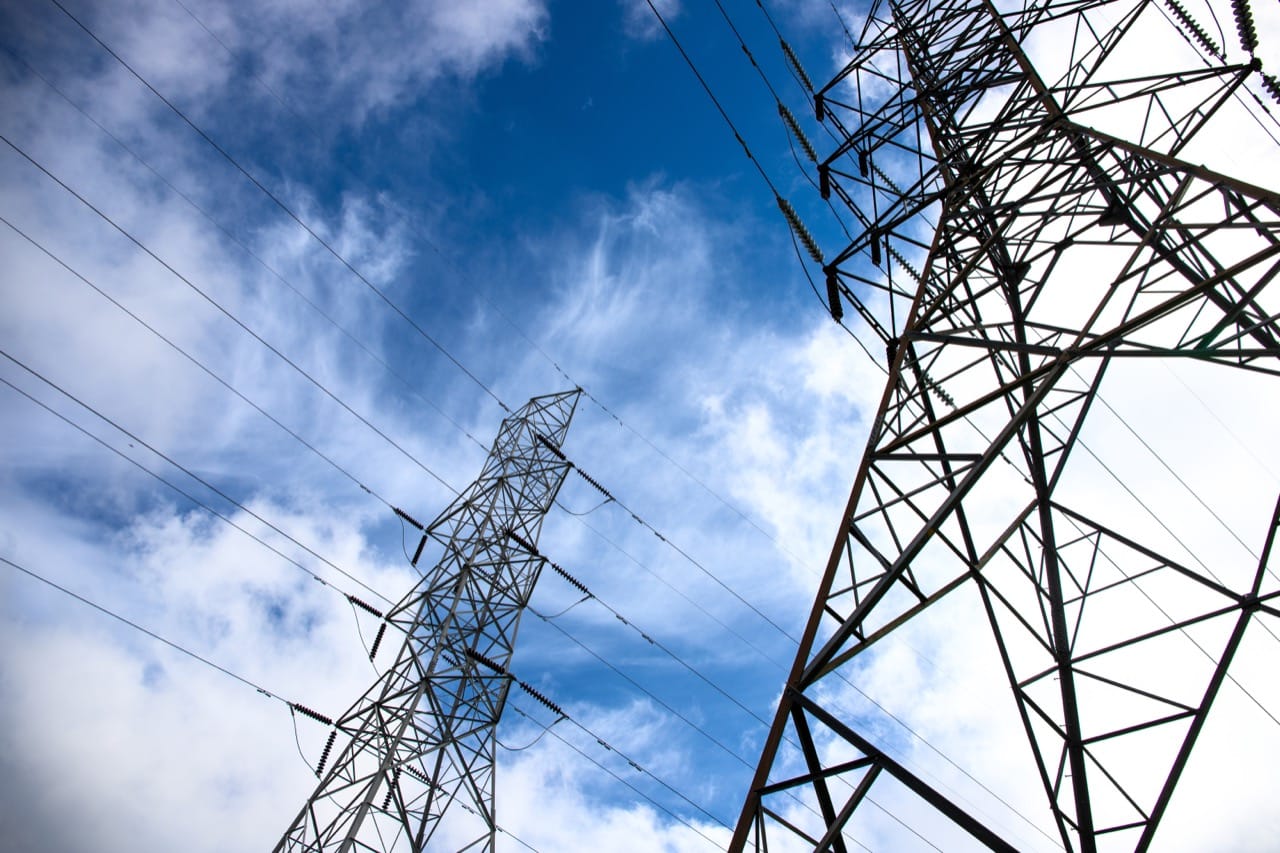
Everyday puzzles become clearer with these basics. Birds can sit on high-voltage power lines because they are not providing a path for current to travel through them to the ground. Current only flows when there is a difference in electric potential between two points and a conductive path. A bird touching a single wire is at nearly the same voltage across its body, so very little current passes through. If it touched two wires at different voltages, or a wire and a grounded structure, it would become part of a circuit, and that is dangerous.
From Franklin’s daring questions to Faraday’s quiet genius and Tesla and Edison’s public battles, the history of electricity is a reminder that today’s “flip a switch” moment is powered by human imagination, careful measurement, and laws that turn invisible charge into a reliable part of daily life.