Backstories and Blowups in Pop Art

Quiz Complete!
Backstories and Blowups in Pop Art: When Bright Images Sparked Real Fights
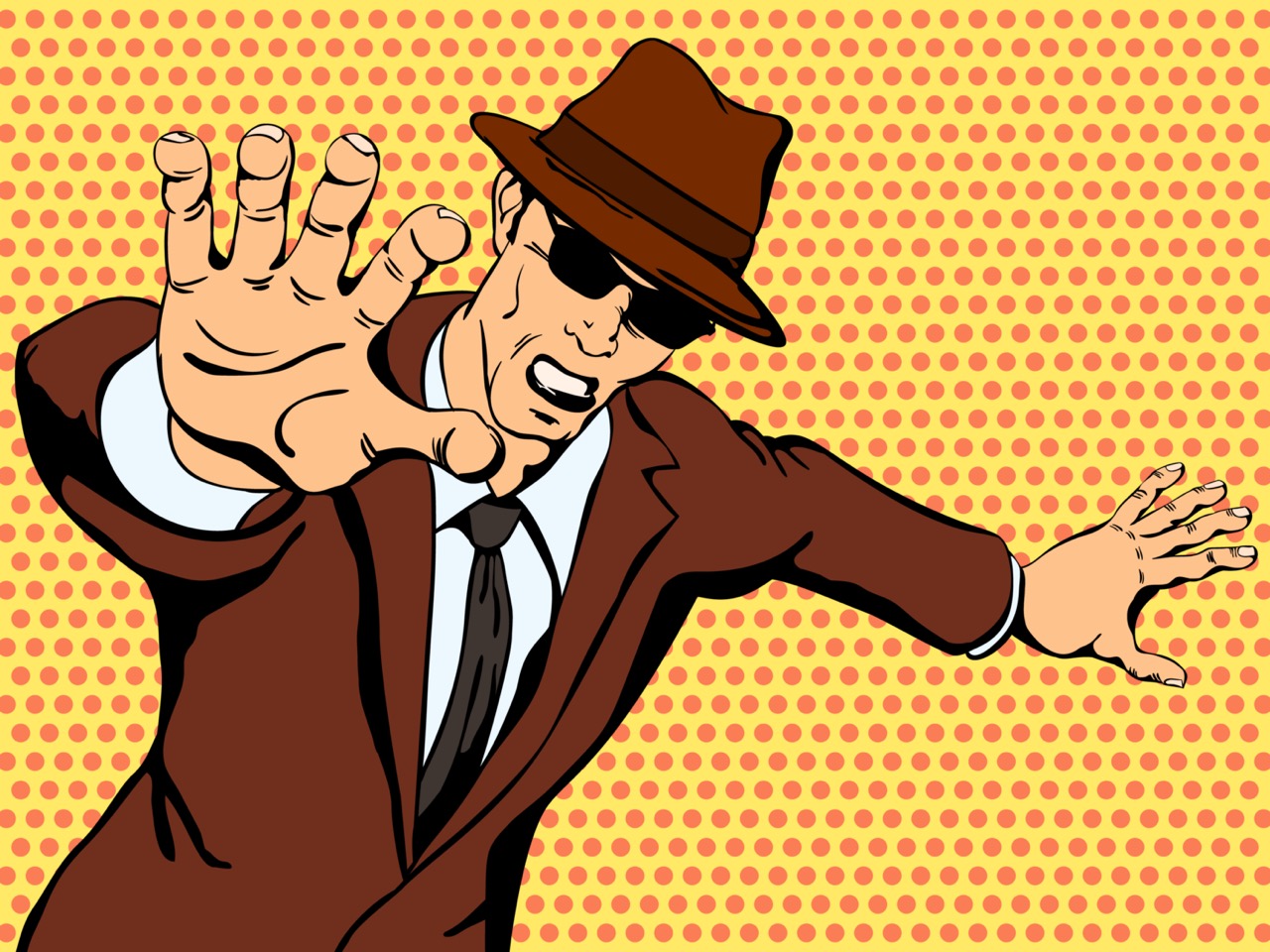
Pop art is often remembered as a party of color and mass culture: movie stars, soup cans, comic-book drama, and advertising shine. Yet behind the glossy surfaces, the movement repeatedly collided with questions that still haunt art today: Who owns an image, who gets credit, and when does borrowing become theft? Many of pop art’s most famous works sit on fault lines between fine art and commercial media, and that boundary has never been calm.
Andy Warhol built a career on repetition and reproduction, using silkscreen processes that mimicked industrial printing. His approach made celebrity feel like a product and products feel like icons. But the same strategy also raised uncomfortable issues about authorship. Warhol frequently used photographs as starting points, sometimes licensed, sometimes not. The tension was not always public at the time, partly because the art world was still adjusting to the idea that a painting could begin as a press photo. Decades later, disputes around Warhol’s use of photographic sources helped define modern debates over fair use and transformation. For many viewers, the question is not whether Warhol changed an image, but whether the change is meaningful enough to justify the new ownership and profit that follow.
Roy Lichtenstein’s comic-inspired paintings created a different kind of controversy. His enlarged panels, Ben-Day dots, and dramatic captions turned disposable storytelling into museum art. Critics and fans admired how he isolated the visual grammar of comics and made it monumental. But comic artists and historians have long pointed out that many of his most celebrated images closely track specific panels drawn by working illustrators who were rarely credited and often poorly paid. Lichtenstein’s defenders argue that his subject was the language of printing and pop storytelling, not the individual plot or character. His critics counter that the power imbalance matters: a gallery artist gained prestige and money by reusing the labor of anonymous or underacknowledged commercial creators.
Jeff Koons brought appropriation into the courtroom in a way that made the stakes impossible to ignore. Koons repeatedly tested how far an artist could go by recontextualizing existing images. In one major case, a sculpture based on a photograph of a couple holding puppies led to a clear legal loss. The court rejected the argument that the work was a protected parody because it did not meaningfully comment on the original photograph itself. The outcome became a cautionary tale: claiming artistic intent is not enough if the borrowing is too direct and the new work does not clearly transform the source in a legally relevant way.
These disputes also reveal how pop art’s public friendliness can trigger public backlash. Works that seem playful in a studio can look like provocation in a museum or on a billboard. Pop art’s use of consumer imagery can be read as celebration, critique, or cynical exploitation, depending on the viewer’s politics and the moment’s mood. That ambiguity has fueled censorship scares and angry headlines, especially when artworks touch sex, religion, race, or national symbols. Institutions sometimes find themselves squeezed between artistic freedom and donor or community pressure, and pop art’s instantly readable imagery makes it especially easy to target.
What makes these backstories compelling is that they are not just gossip. They expose the machinery of culture: the way photographs circulate, the way comics and ads are produced, and the way fame can erase sources. Pop art did not invent appropriation, but it popularized it as a central artistic method. Today, in an age of memes, remixes, and AI-generated images, the same arguments return with new urgency. Pop art’s blowups remind us that every bright picture has a shadow: someone took the photo, drew the panel, signed the release, or didn’t. The movement’s legacy is not only a style, but a set of ongoing questions about creativity, credit, and power.