Bright Ideas The Birth of Pop Art






Quiz Complete!
Bright Ideas: How Pop Art Turned Everyday Life into High Art
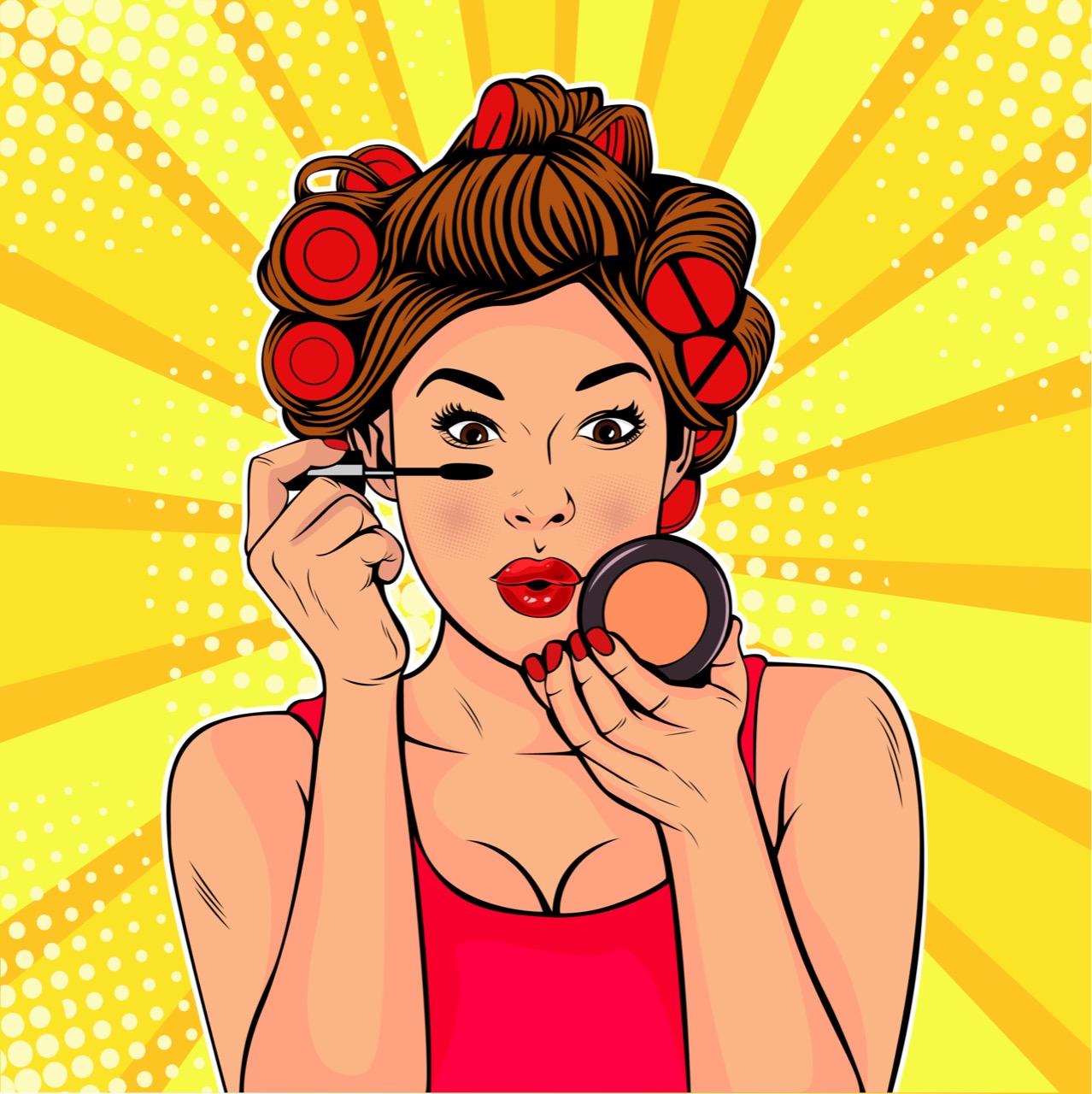
Pop Art emerged when artists began treating the images of daily life as the raw material of serious art. After World War II, advertising, glossy magazines, television, comic strips, and supermarket packaging flooded public space with bold graphics and repeatable slogans. Earlier modern movements had already challenged tradition, but Pop Art pushed a new idea: the ordinary visuals of consumer culture were not just background noise, they were the defining language of the age.
The earliest roots are often traced to postwar Britain, where rationing and rebuilding made American abundance look both glamorous and strange. In the early 1950s, a group of artists, architects, and critics known as the Independent Group met in London to discuss mass media, design, science fiction, and popular entertainment with the same seriousness usually reserved for painting and sculpture. Their conversations helped legitimize the idea that comic books and commercials could be worthy subjects. A landmark moment came with the 1956 exhibition This Is Tomorrow at the Whitechapel Gallery, which mixed art and design in a way that felt closer to a modern street than a traditional museum. One image became especially famous: Richard Hamilton’s collage Just what is it that makes today’s homes so different, so appealing? filled with brand-name goods and a bodybuilder holding a lollipop labeled Pop. It captured both the excitement and the satire of consumer desire.
The term Pop Art gained traction through critics as much as artists. British critic Lawrence Alloway is often credited with helping popularize the phrase, using it to describe art that drew directly from mass-produced imagery. The name fit because the work was direct, bright, and immediately readable, like the pop of a headline or a product logo.
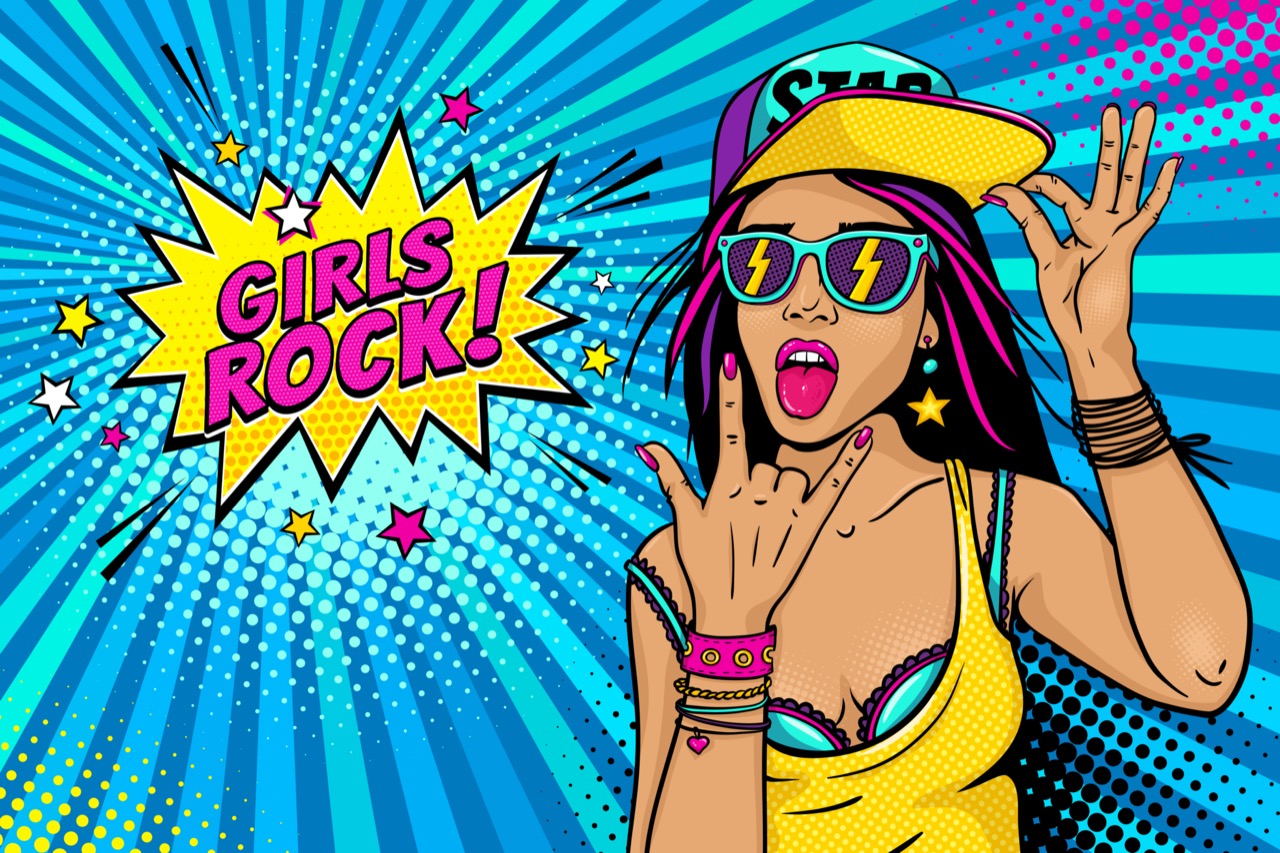
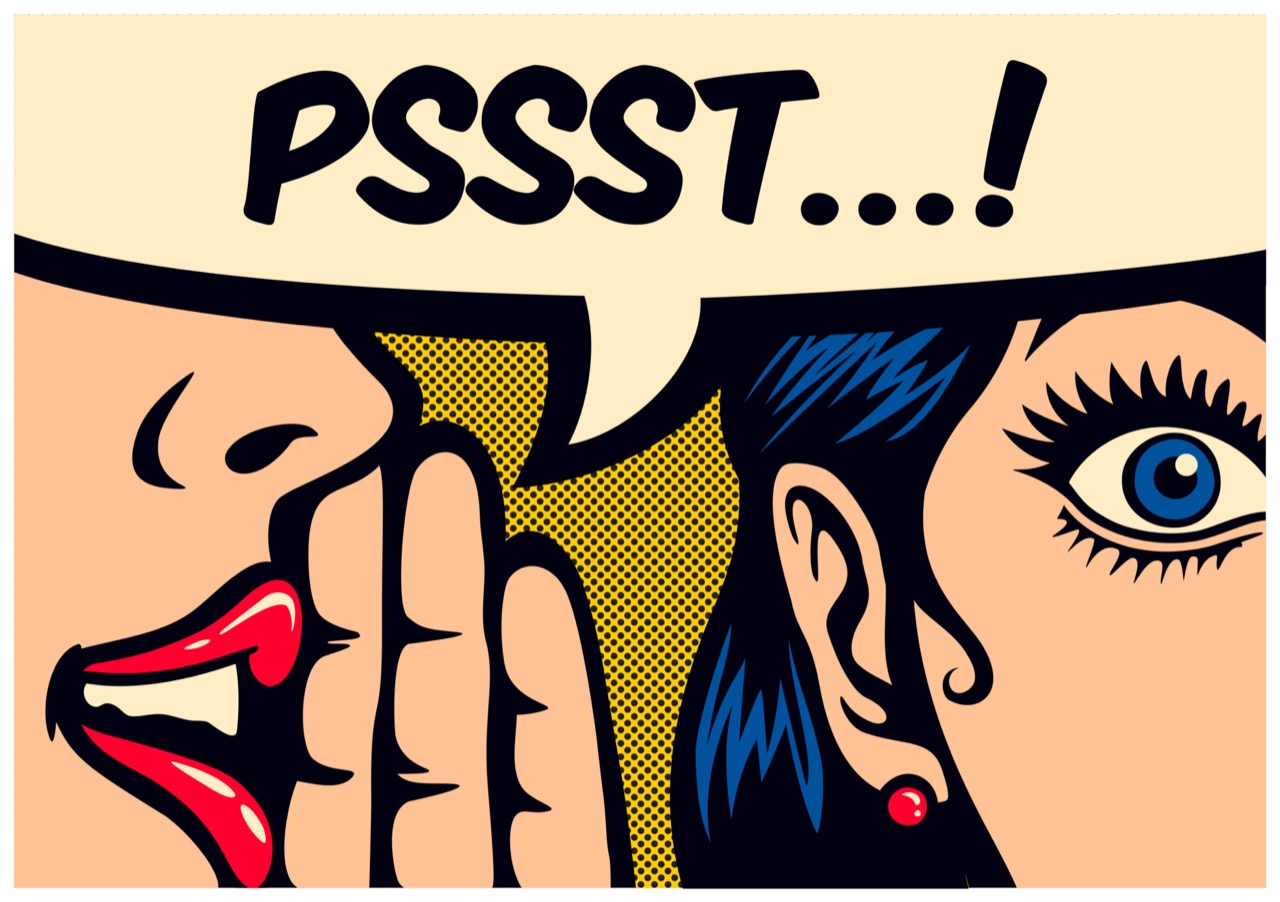
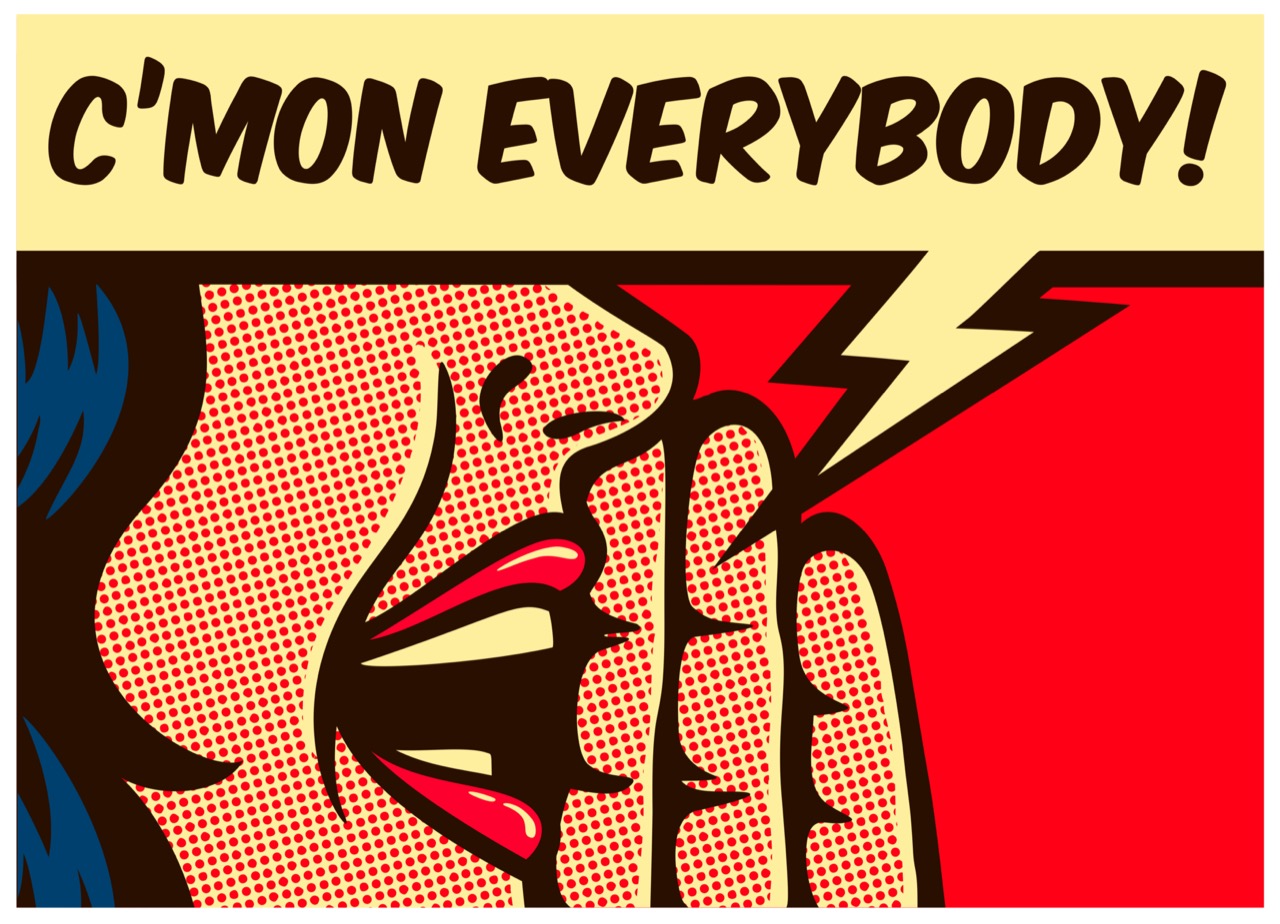
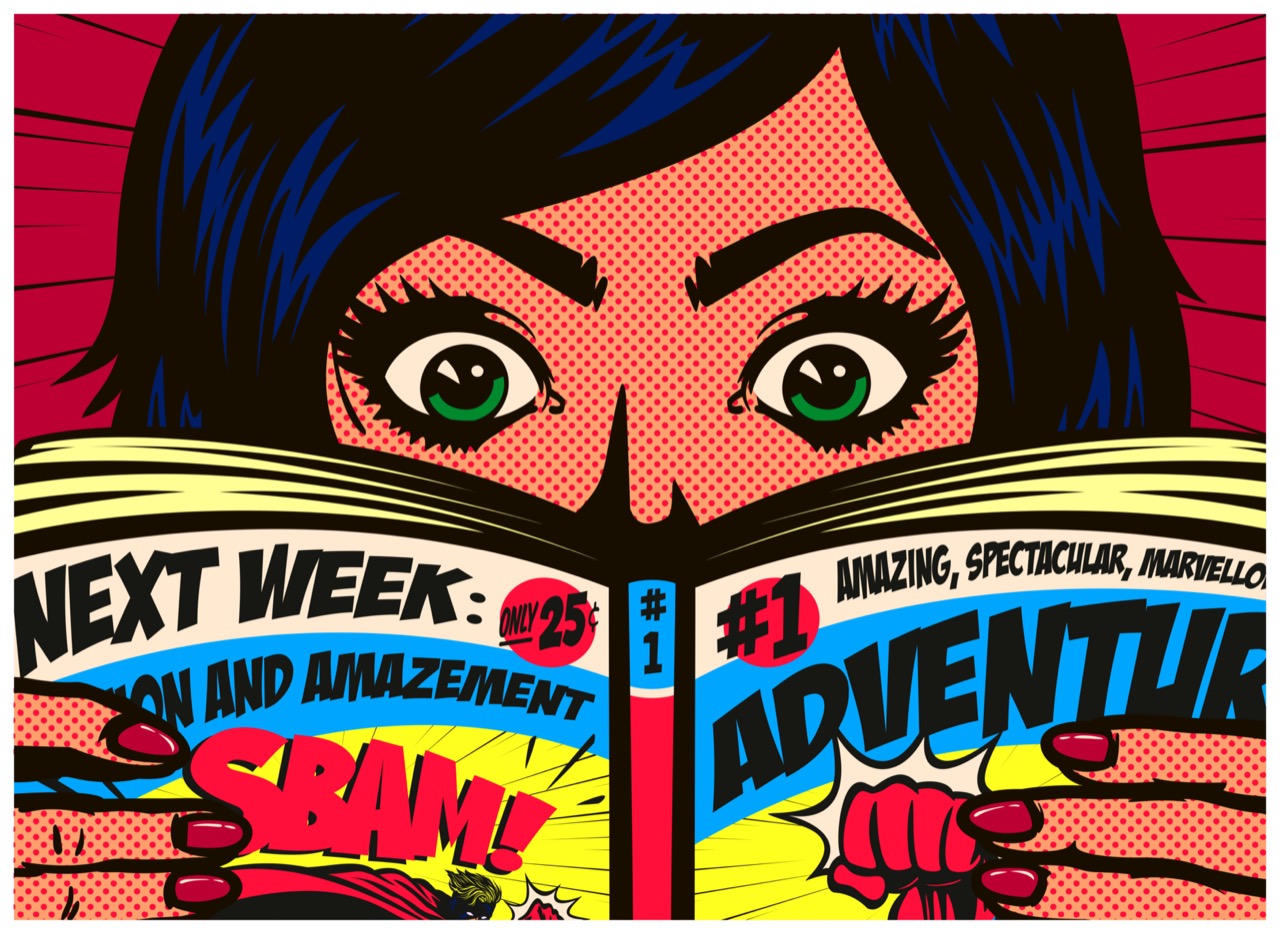
In the United States, Pop Art took on a sharper, more industrial edge. By the late 1950s and early 1960s, New York artists were reacting against the emotional intensity of Abstract Expressionism. Instead of grand gestures and private symbolism, they adopted the look of printing, packaging, and tabloid photography. Roy Lichtenstein transformed comic-book panels into large paintings, preserving the simplified outlines and using hand-painted Ben-Day dots to mimic cheap commercial printing. The result looked mechanical yet was carefully composed, raising questions about originality, romance, and violence as media clichés.
Andy Warhol made repetition itself the message. His soup cans and Coke bottles treated the supermarket shelf as a kind of modern still life, and his silkscreen process embraced the logic of mass production. Silkscreen allowed images to be repeated with slight variations, including smudges and misregistrations, turning flaws into part of the aesthetic. Warhol’s celebrity portraits, from Marilyn Monroe to Elvis Presley, suggested that fame could be manufactured like any other product, and that a face could become a logo.
Pop Art was not limited to painting. Claes Oldenburg made soft sculptures of everyday objects, turning a hamburger or a typewriter into something humorous and oddly monumental. James Rosenquist, who had painted billboards, used that training to create vast canvases of fragmented ads and consumer imagery, like a collage scaled up to the size of a wall. Tom Wesselmann’s pin-up inspired nudes and bold interiors combined art history with magazine gloss, highlighting how desire was packaged and sold.
Key exhibitions helped define the movement for the public. In New York, shows at the early 1960s galleries and the 1962 exhibition New Painting of Common Objects in Pasadena are often cited as pivotal in presenting Pop as a coherent direction. By the mid-1960s, Pop Art had become both a mirror and a critique of modern life, asking whether art could stay separate from commerce when commerce shaped what people saw all day. Its lasting impact is clear every time contemporary art borrows the look of branding, memes, or celebrity culture and turns it back into a statement.