Posters, Pavements, and Pop Art Places Rapid Fire





Quiz Complete!
Pinning Pop Art to the Map: Cities, Studios, and Street Corners That Made a Movement
Pop Art is often described as a style of bright colors and familiar images, but it also has a geography. It grew out of specific neighborhoods, classrooms, storefronts, and galleries where artists watched advertising, packaging, and celebrity culture up close and then redirected it back into the art world. Knowing where Pop Art happened helps explain why it looked the way it did and why it sparked such lively debates.
A key starting point is postwar London, where the Independent Group gathered around the Institute of Contemporary Arts. In a city still shaped by rationing and rebuilding, American magazines, movie posters, and consumer goods felt like signals from a different future. Artists and critics such as Richard Hamilton and Eduardo Paolozzi treated mass media as a serious subject, collecting imagery the way earlier artists collected sketches from nature. Hamiltons 1956 collage Just what is it that makes todays homes so different, so appealing? is closely tied to this London context: a small, idea packed work that reads like a room assembled from imported dreams.
Across the Atlantic, Pop Art found its loudest megaphone in New York City. Manhattan offered an endless feed of billboards, tabloids, storefront displays, and comic strips, and it also offered a dense network of galleries and magazines that could amplify a new look quickly. The early 1960s scene revolved around lofts and studios where commercial techniques were repurposed as fine art methods. Andy Warhols Factory became the most famous of these spaces, a social and production hub where assistants helped turn photographic sources into silk screened paintings. Warhols story also points back to Pittsburgh, where his early life and training shaped his fascination with glamour, repetition, and the look of printed images. That Rust Belt origin matters because it underscores Pop Arts tension between aspiration and everyday life.
New York galleries and museums helped define the movement in public. Exhibitions such as The New Realists in 1962 at Sidney Janis Gallery brought together American and European artists and made Pop feel like an international shift rather than a local fad. Around the same time, museum shows and critical essays turned questions about consumer culture into arguments about what art could be. Could a painting of a soup can belong in the same room as Abstract Expressionism? The fact that these debates happened in Manhattan, near the headquarters of publishers and advertisers, is part of the point.
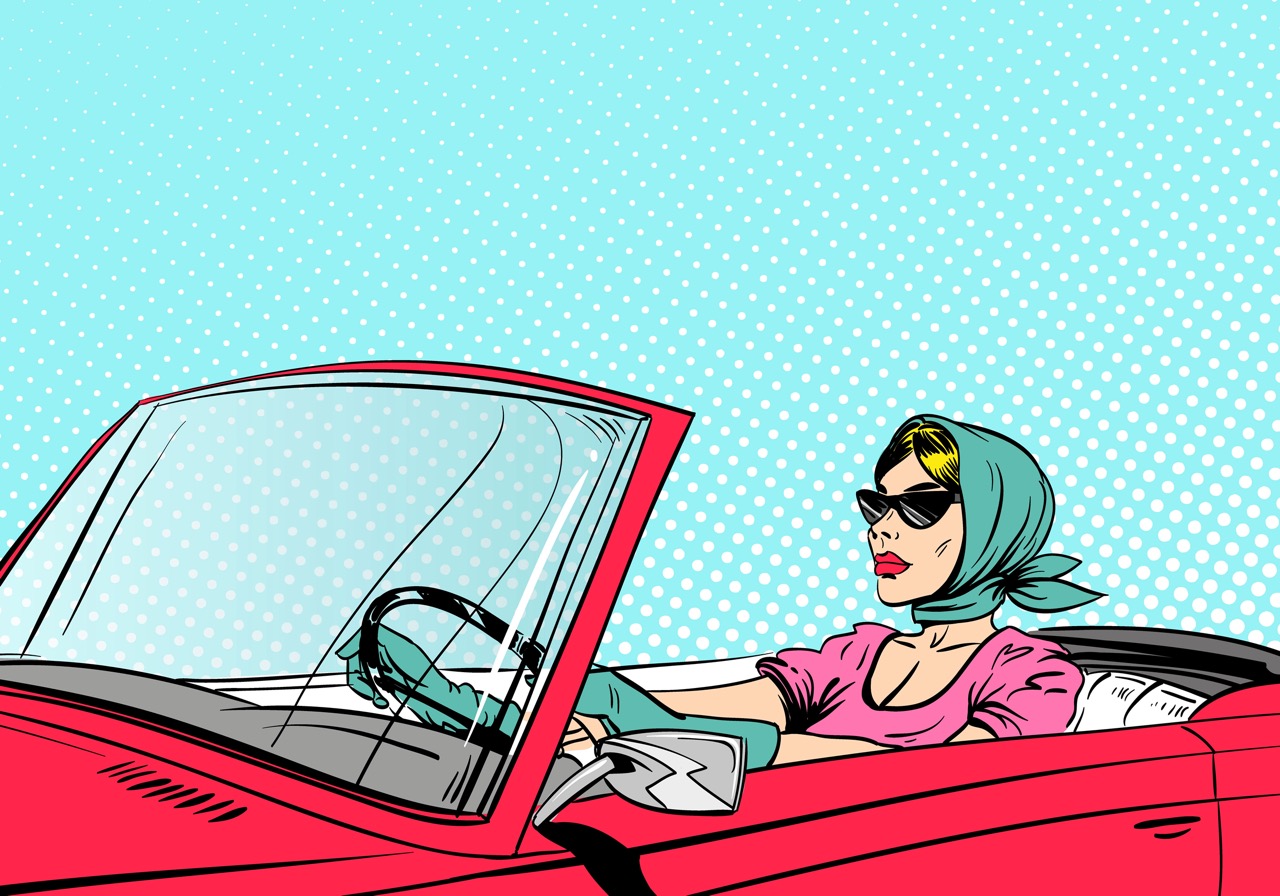
Pop Art also has a West Coast map. Los Angeles, with its car culture, movie industry, and giant signage, offered a different visual diet than New York. The citys billboards and sunlit commercial strips fed artists who were attentive to slick surfaces and the aesthetics of mass entertainment. Ed Ruscha, for example, made deadpan images of gas stations and words that feel inseparable from the experience of driving through Southern California. In LA, Pop could look less like a crowded newsstand and more like a clean, cinematic frame.
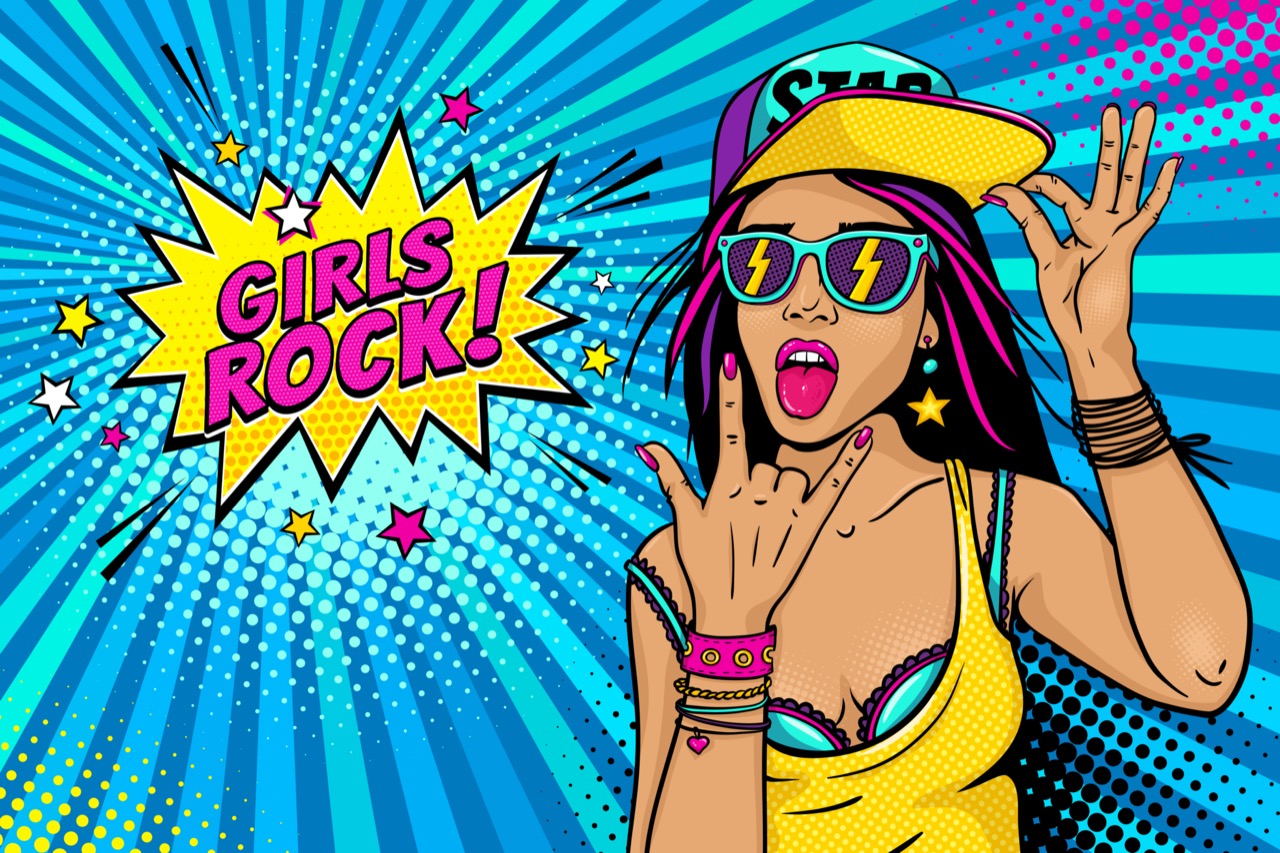
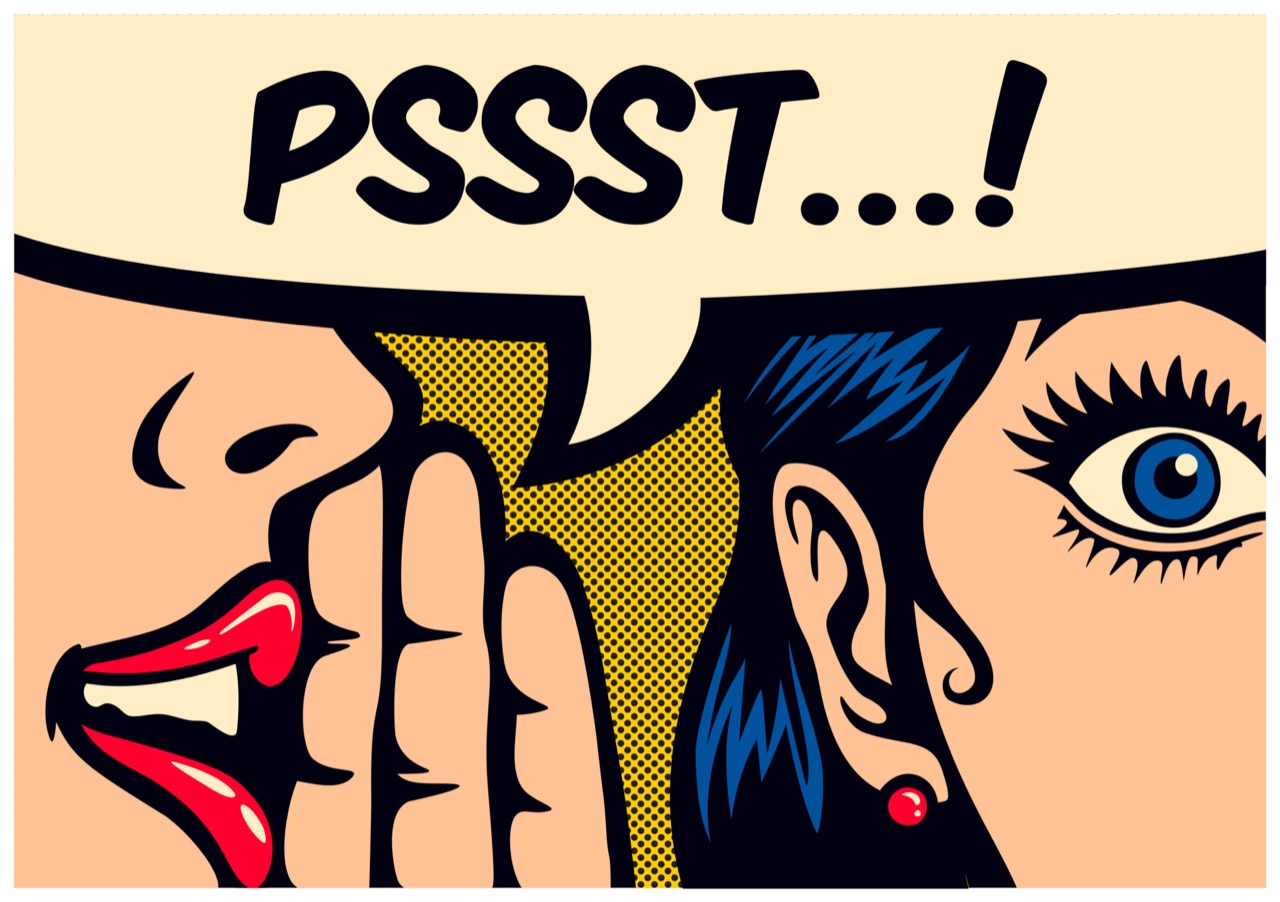
Everyday commercial landscapes were not just references but working tools. Supermarkets provided a ready made catalog of logos and packaging; comic strips offered bold outlines and speech bubbles; neon signage suggested a new kind of urban glow. Roy Lichtenstein translated the printing dots of cheap comics into monumental canvases, while Claes Oldenburg turned ordinary objects into oversized sculptures that felt like they had escaped from a storefront display. These choices were rooted in places where such imagery was unavoidable, from corner shops to downtown streets.
To pin Pop Art to the map is to see it as a conversation between art spaces and public spaces. Studios borrowed from printing and advertising. Galleries borrowed the shock of the street. Cities supplied the raw material: the posters on walls, the products on shelves, and the faces on screens. When you connect an artist to a neighborhood, a show to a museum, and a style to the commercial scenery that inspired it, Pop Art stops being just a look and becomes a living route through modern life.