Victorian Gearcode Steampunk Symbolism Quiz

Quiz Complete!
Reading the Gearcode: What Steampunk Symbols Really Mean
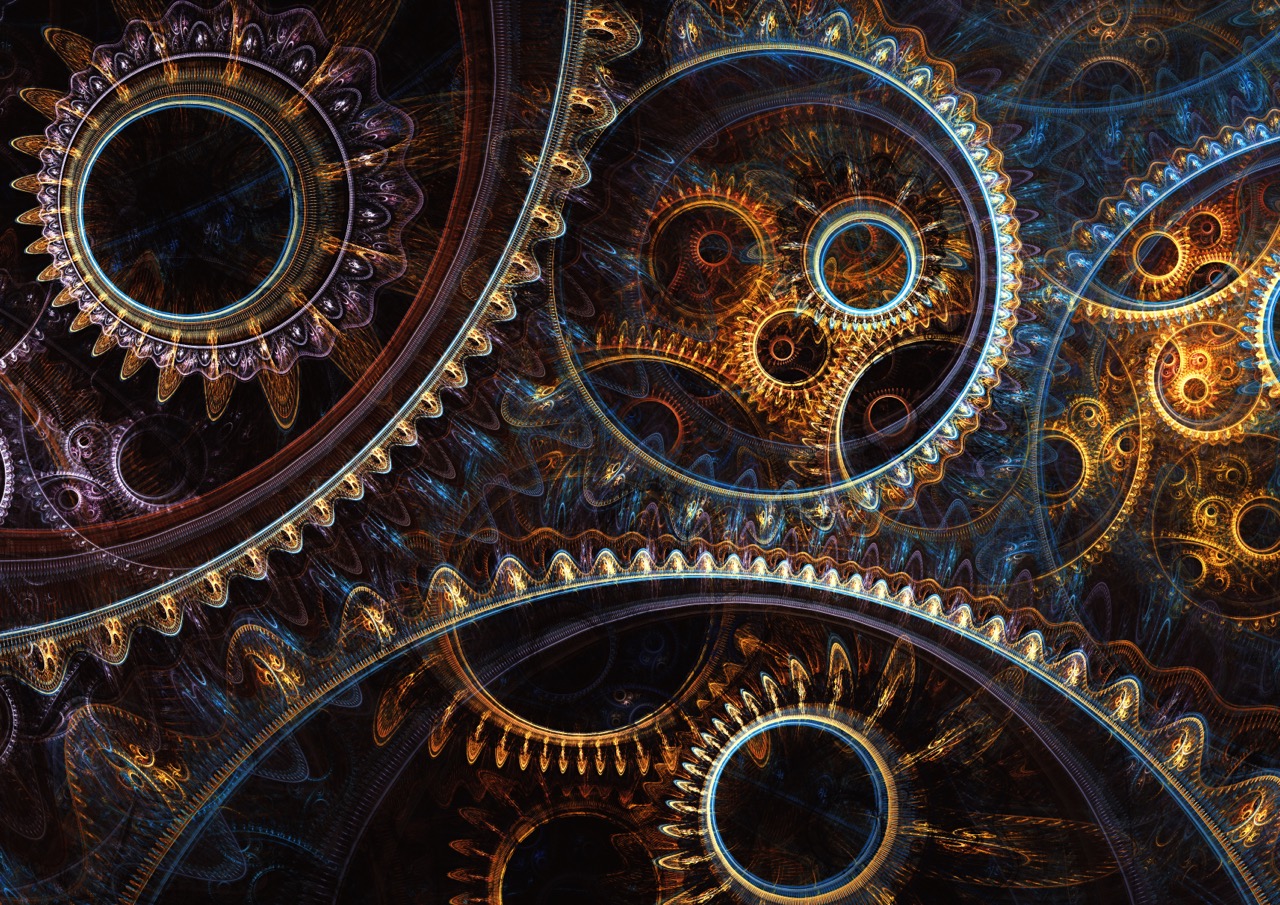
Steampunk is often described as Victorian science fiction with brass trim, but its most recognizable elements work like a visual shorthand. A single accessory can tell you what a character believes, what kind of world they live in, and whether the story is celebrating progress or warning about it. That is why goggles show up everywhere, even indoors, and why gears are stamped onto objects that could never contain a mechanism. The genre uses a shared set of symbols that fans learn to read almost like a code.
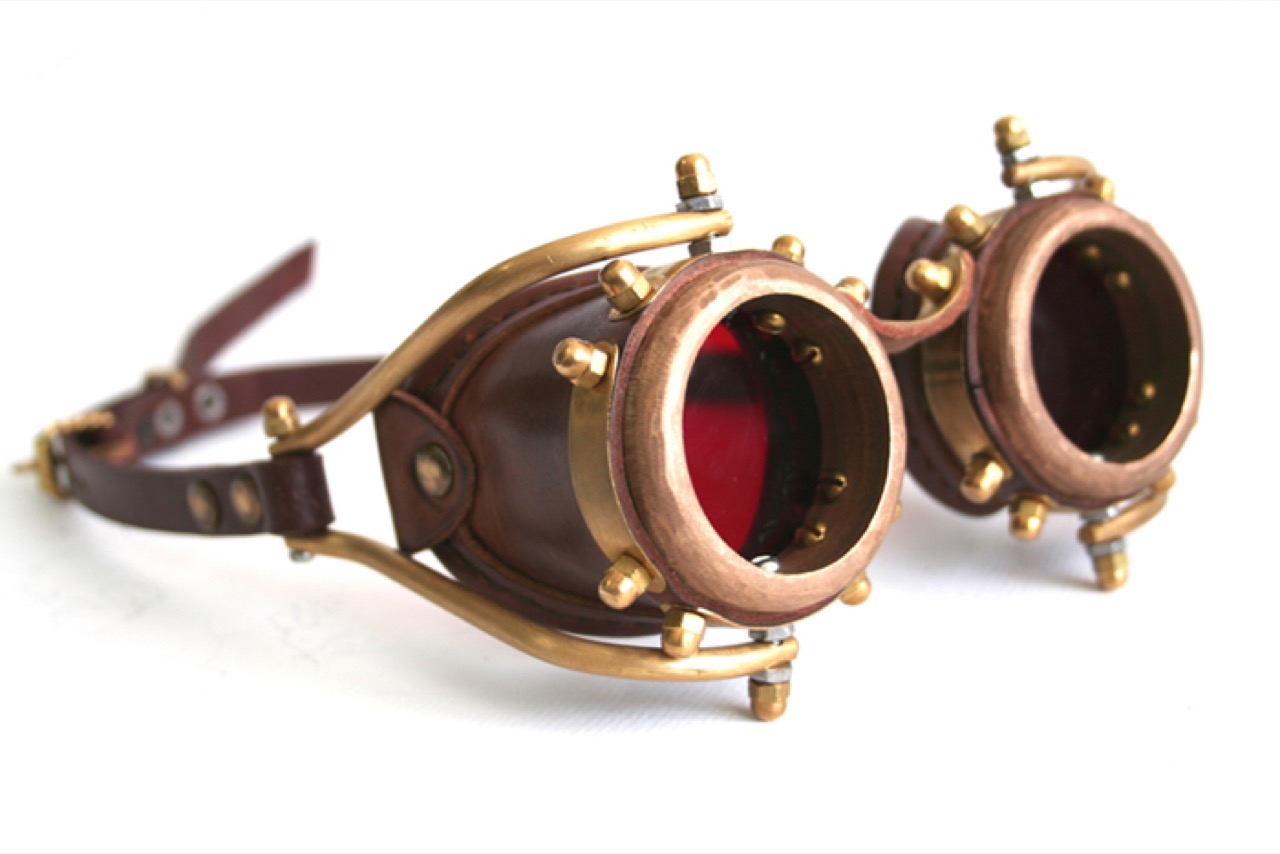
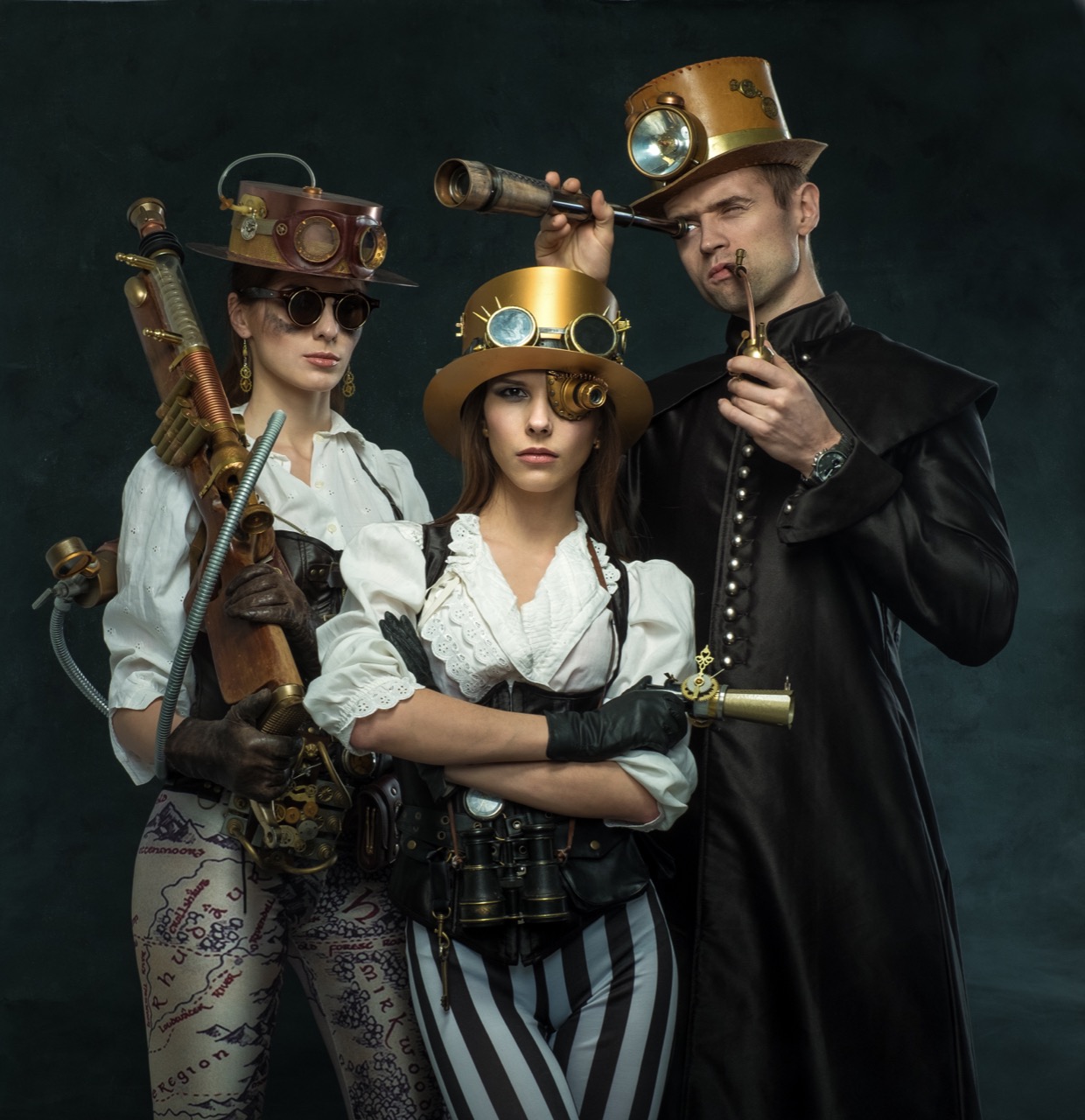
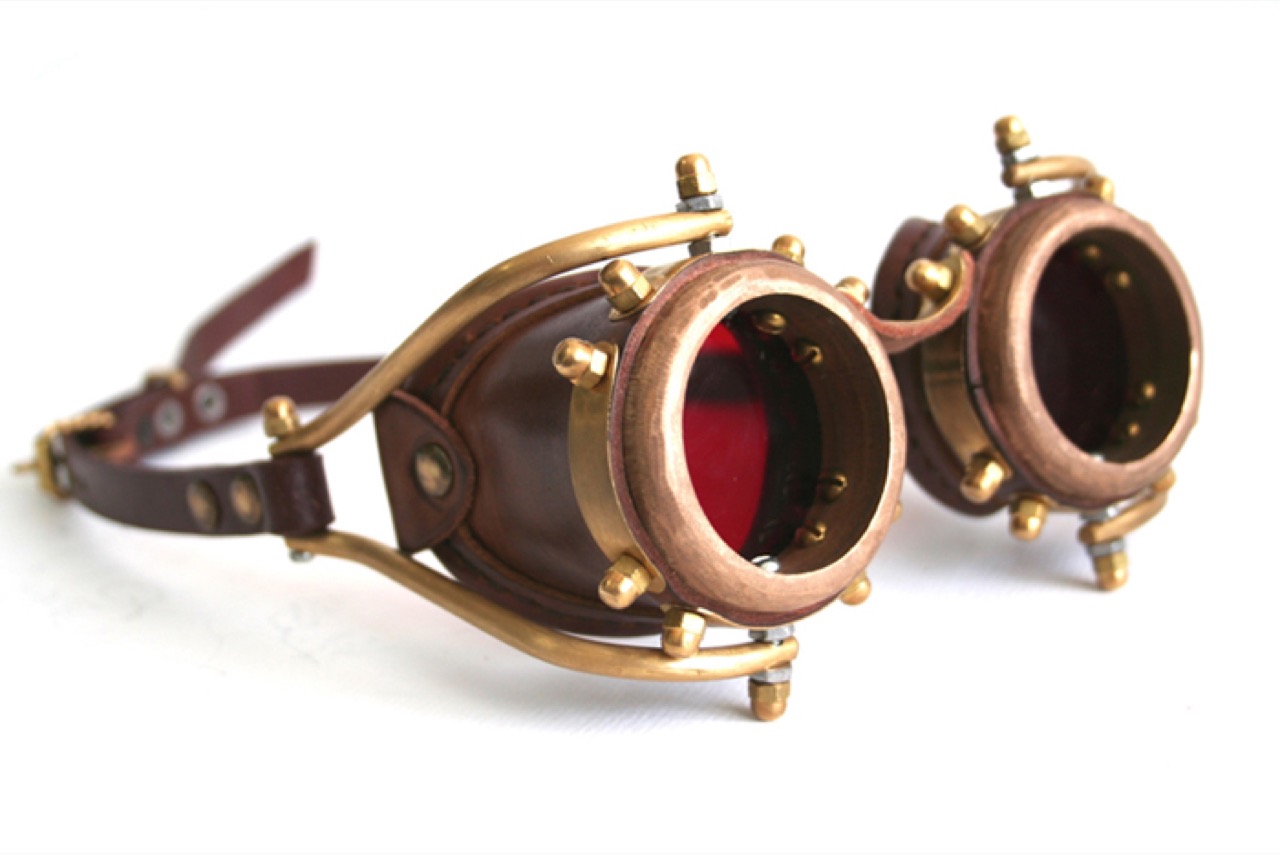
Goggles are one of the clearest examples. In real history, protective eyewear existed in various forms for industrial work, chemistry, and early aviation, but steampunk exaggerates their presence to signal hands on experimentation. A character with goggles is marked as an inventor, mechanic, pilot, or someone who expects sparks, smoke, and risk. Worn on the forehead, they also suggest constant readiness, as if the world might erupt into danger or discovery at any moment. They can even imply a desire to see differently, to filter the world through lenses of curiosity and skepticism.
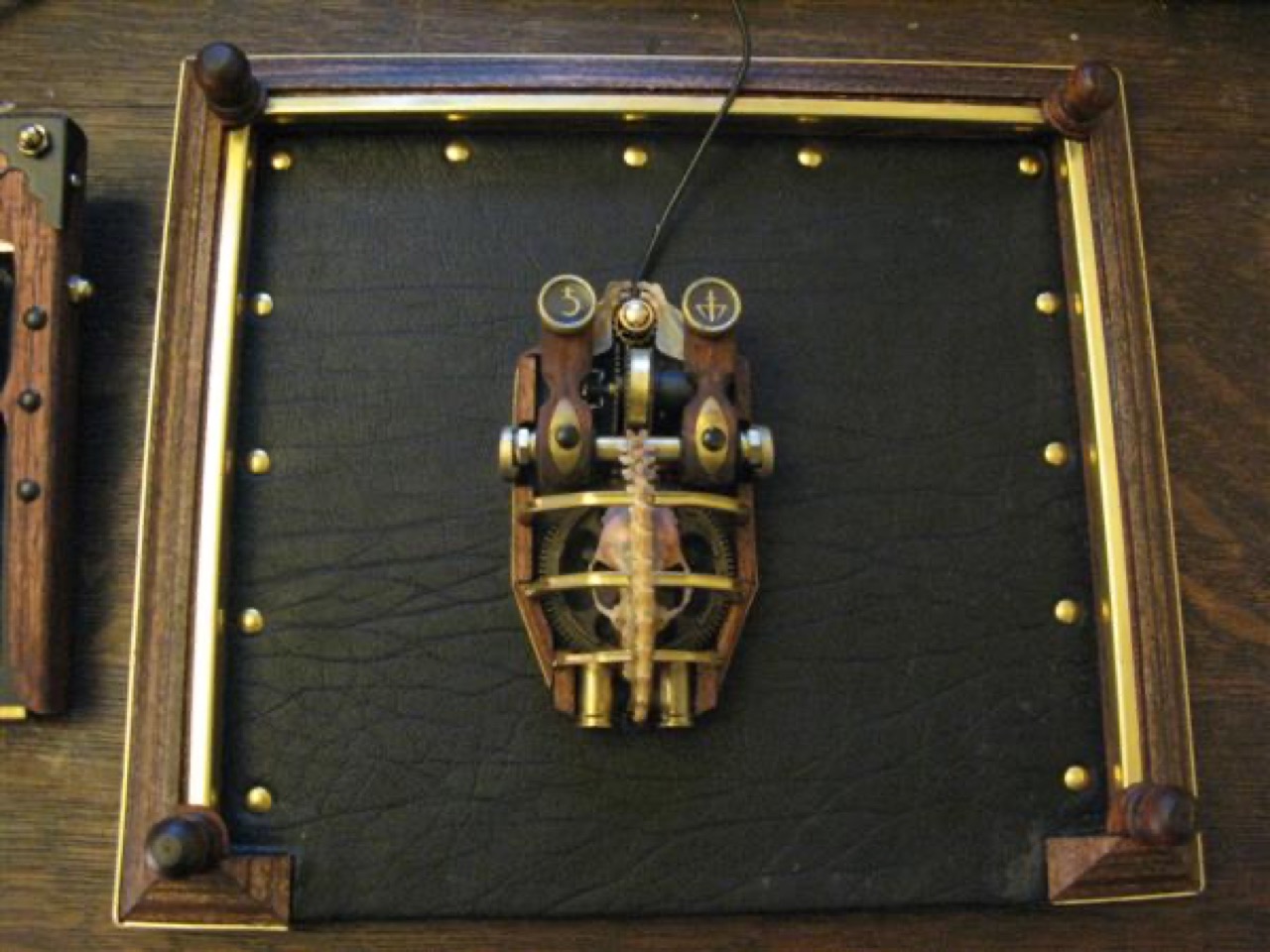
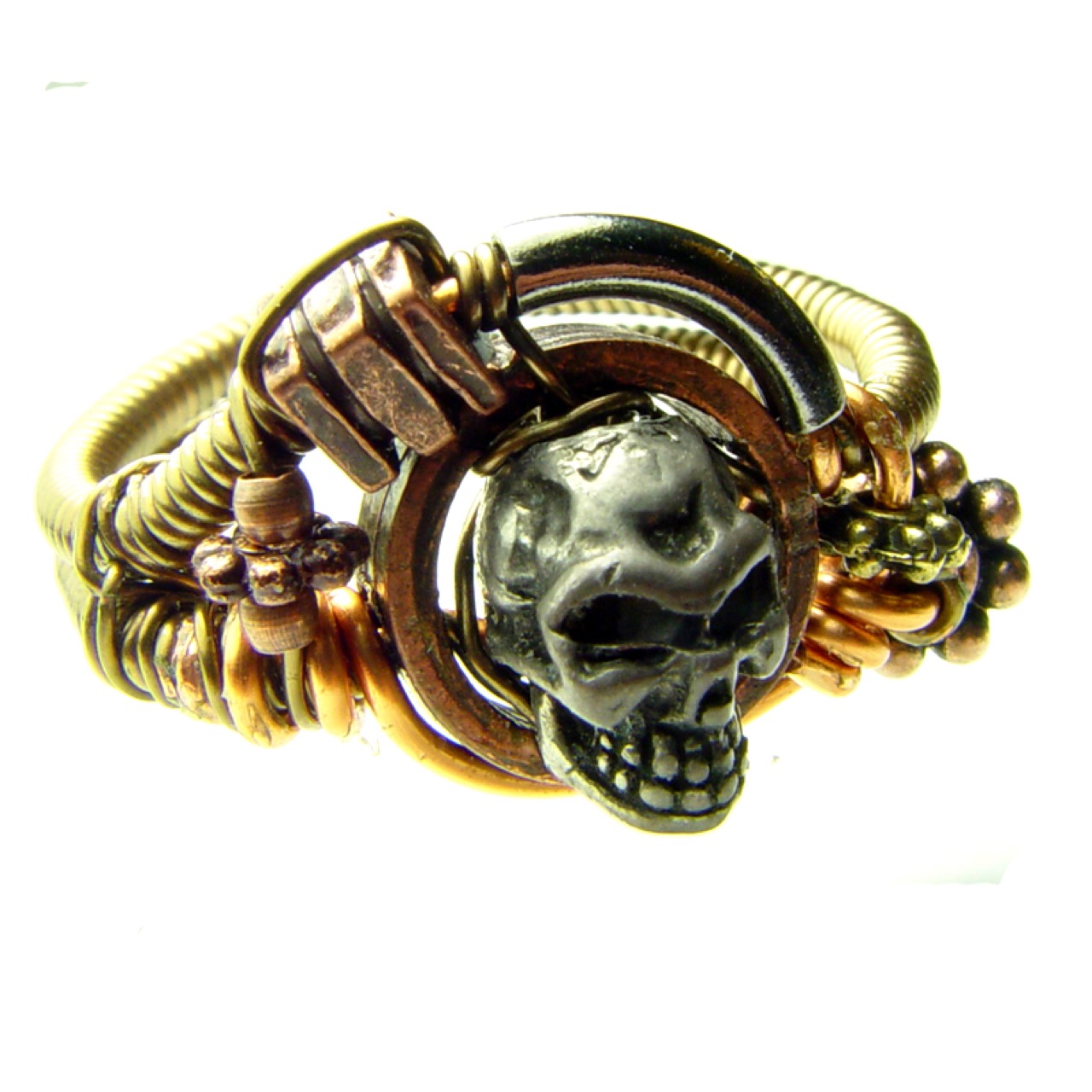
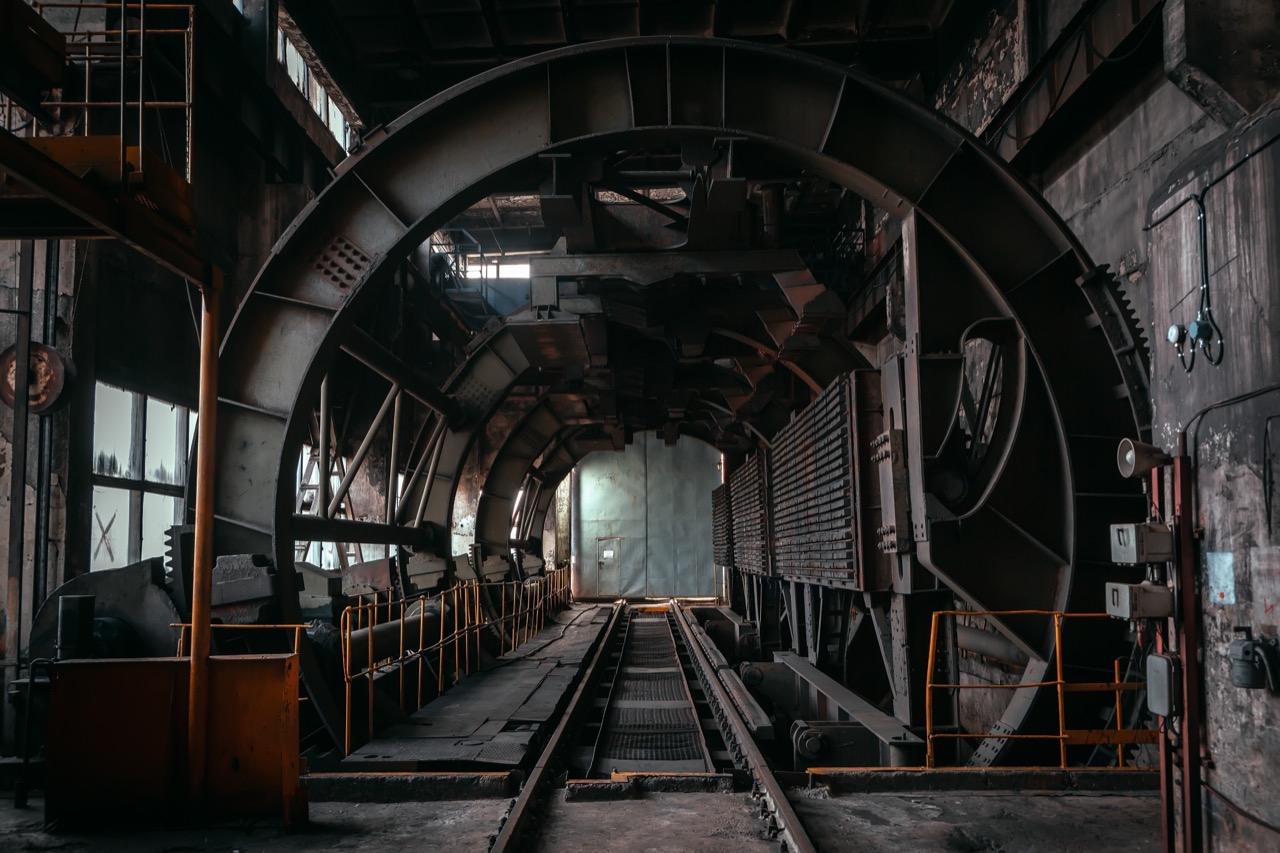
Gears and cogs symbolize industry, repetition, and the idea that society itself is a machine. Victorian Britain and other industrializing nations were transformed by factories, railways, and mass production, and steampunk borrows that imagery while questioning its cost. A gear can represent ingenuity and craftsmanship, but it can also hint at dehumanization, with workers treated as replaceable parts. When gears appear where they make no mechanical sense, they function less as engineering and more as a badge: this world runs on visible labor, visible systems, and visible consequences.
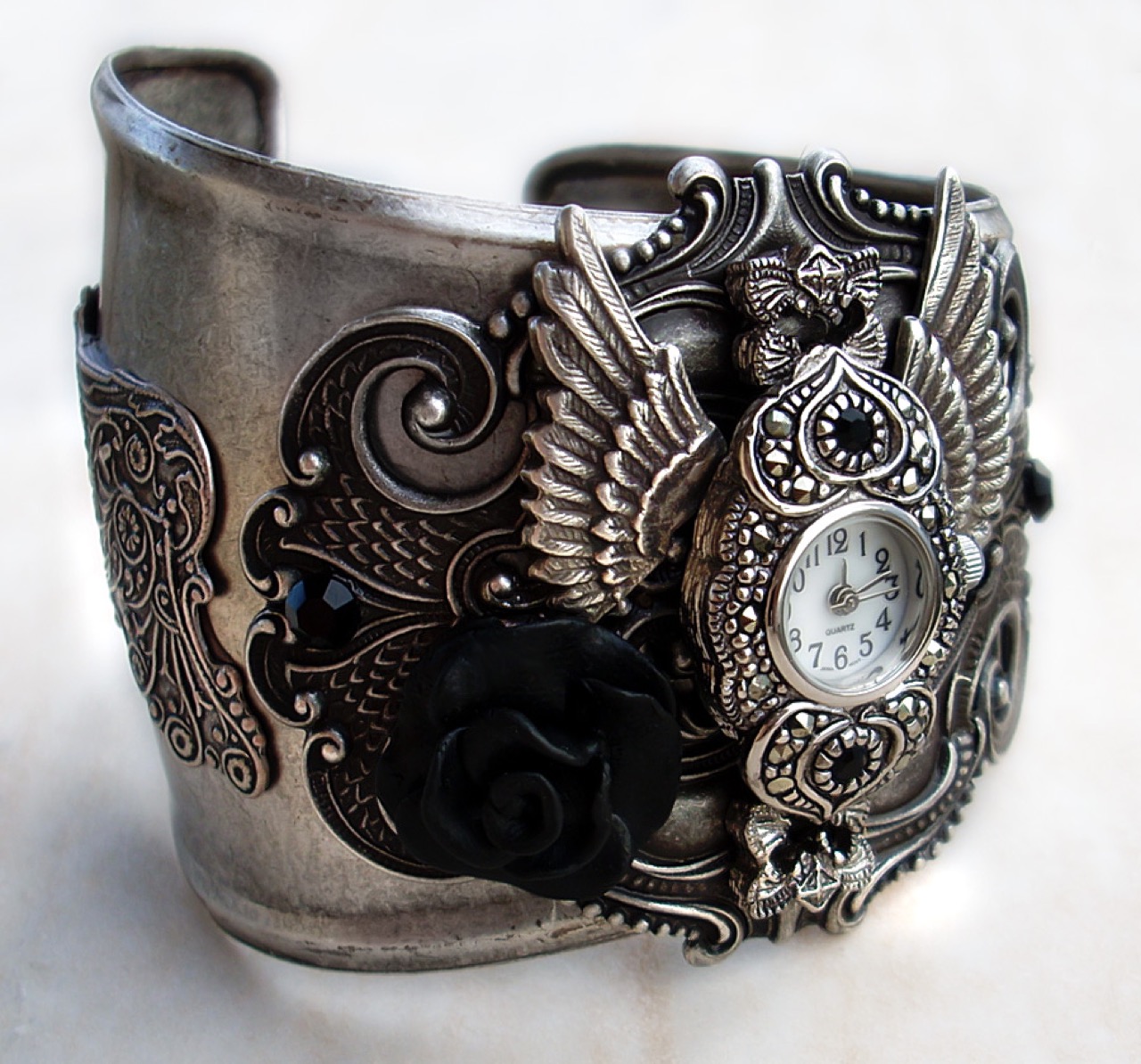
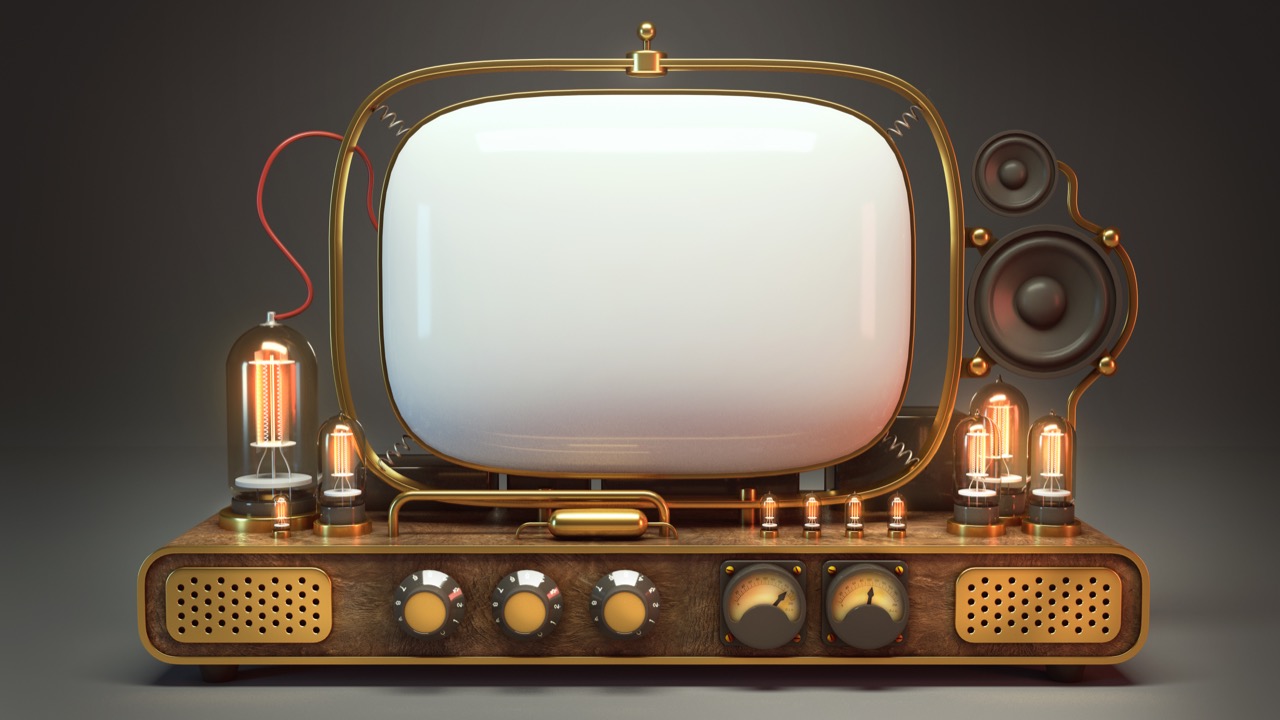
Brass, copper, and polished wood dominate steampunk materials because they evoke pre plastic technology, when devices looked heavy, repairable, and built to last. Brass in particular carries a double meaning. It suggests warmth, luxury, and artisanal detail, yet it is also the color of instruments, cannons, and industrial fittings. That tension matches the genre’s habit of mixing nostalgia with critique. The same gleaming metal can frame a beautiful clockwork prosthetic or a weapon of empire.
Clothing does similar work. A top hat can signal upper class power, but in steampunk it often becomes a platform for rebellion, customized with goggles, gears, or feathers. Corsets, waistcoats, and tailored coats can be worn straight as period style, or deliberately remixed to challenge the social rules they once enforced. This is where steampunk’s symbolism becomes political: it borrows the visual language of hierarchy, then edits it, as if rewriting history with a wrench and a sewing kit.
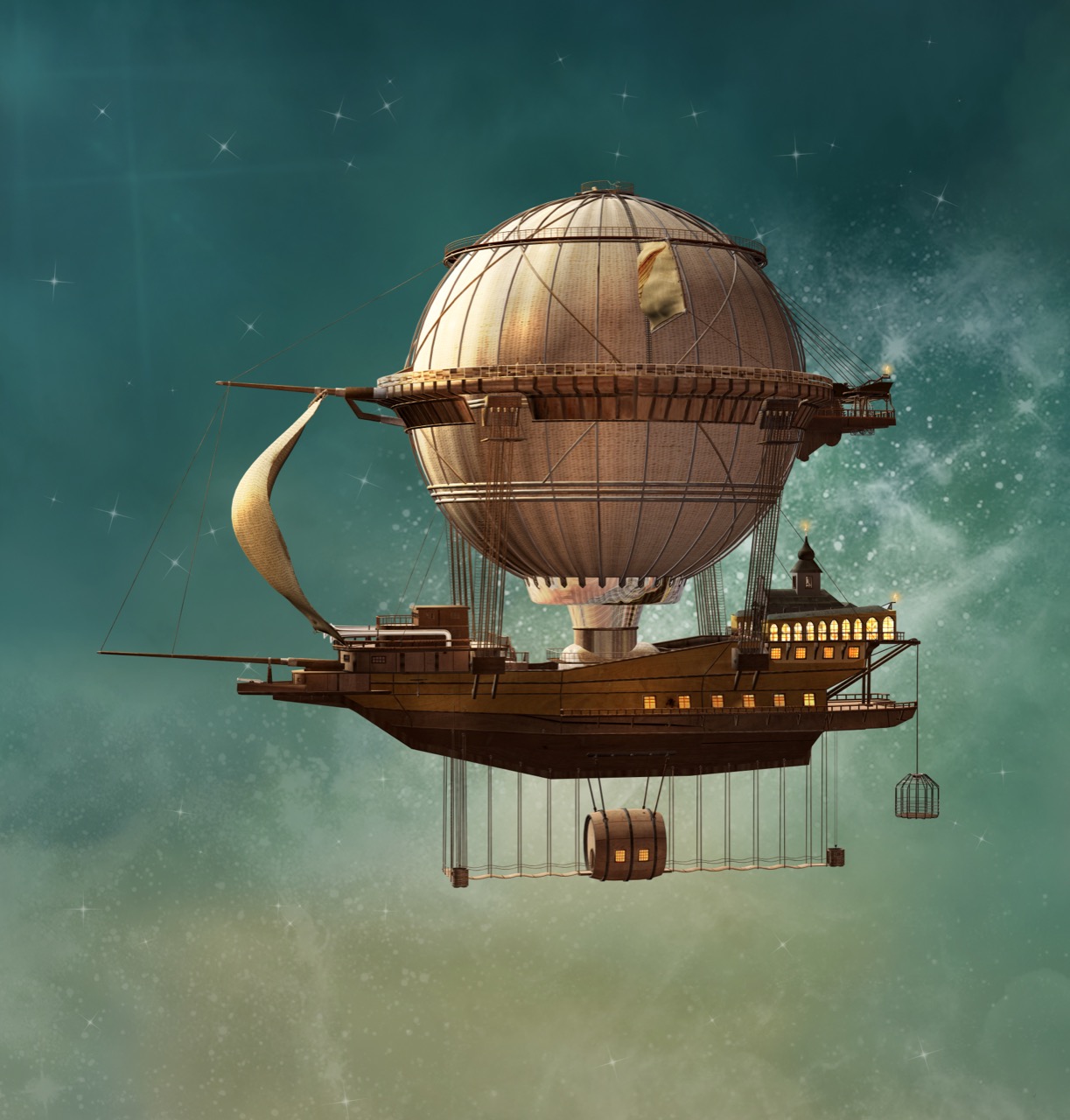
Airships are the genre’s favorite metaphor for ambition. Historically, balloons and early dirigibles captured public imagination, promising global travel and technological wonder, while also proving fragile and sometimes deadly. In steampunk, the airship stands for boundless possibility, exploration, and escape from crowded streets, but it also represents precarious progress. A floating city of rivets and canvas can be inspiring precisely because it feels like it could fail.
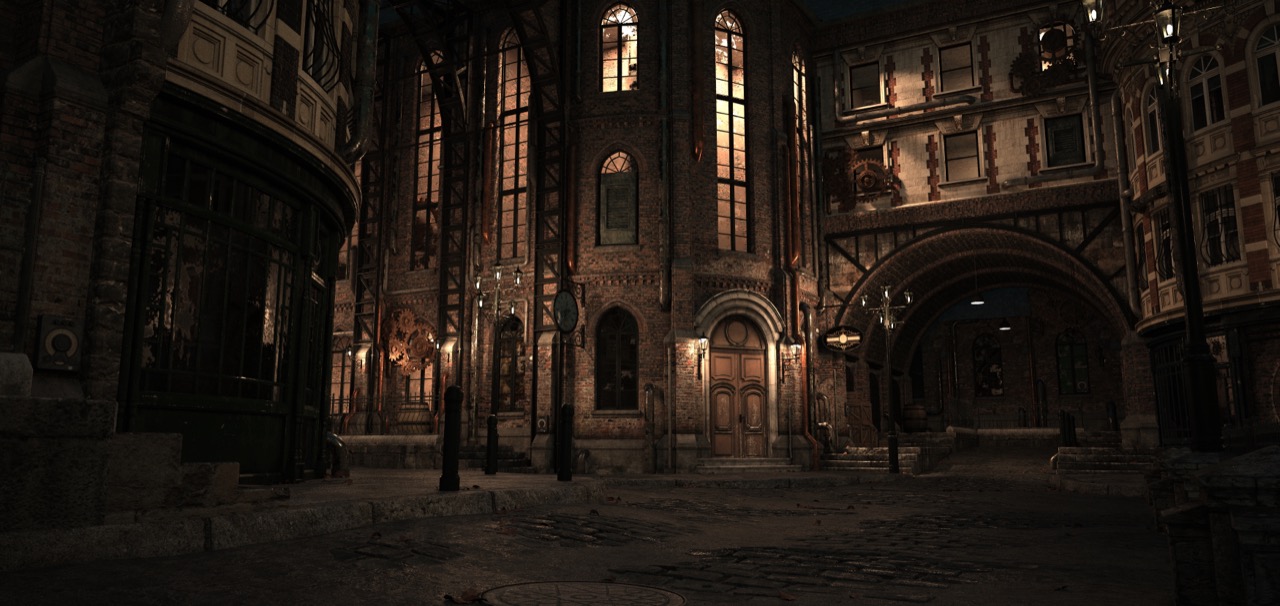
Steam itself is another key symbol. It is power you can see and hear, dramatic and dirty, reminding you that energy has a source. Where modern technology hides its infrastructure, steampunk puts boilers, pipes, gauges, and valves on display. That visibility encourages questions: Who fuels the machine, who maintains it, and who benefits from it?
Once you start noticing these recurring signs, steampunk becomes more than an aesthetic. It becomes a conversation with the Victorian era, shaped by real inventions and real inequalities, and retold through symbols that let a story celebrate imagination while keeping a wary eye on the machinery of progress.