Cogwork Connoisseur Steampunk Mastery Quiz

Quiz Complete!
Soot, Silk, and Steam: Understanding Steampunk Beyond the Goggles
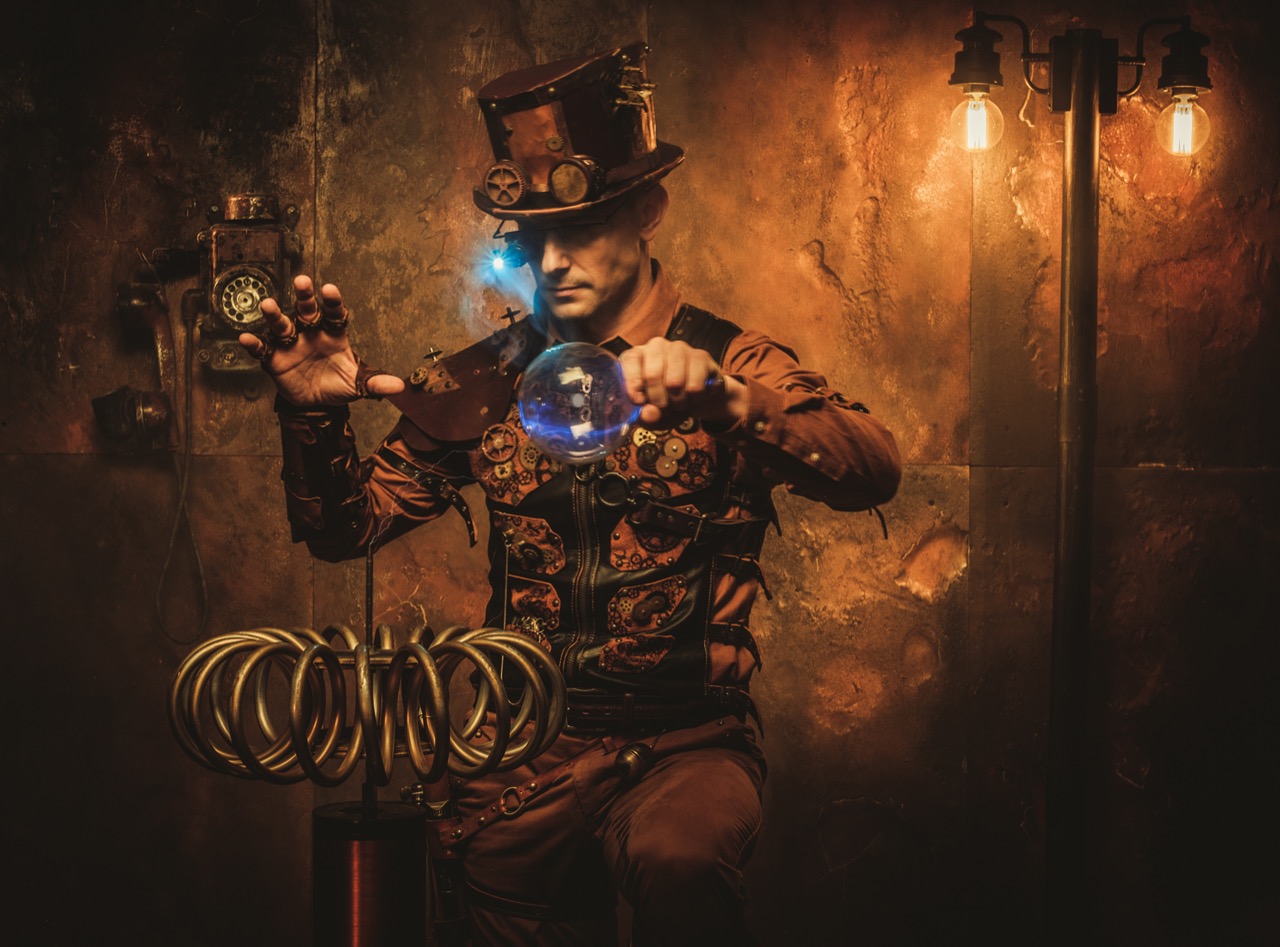
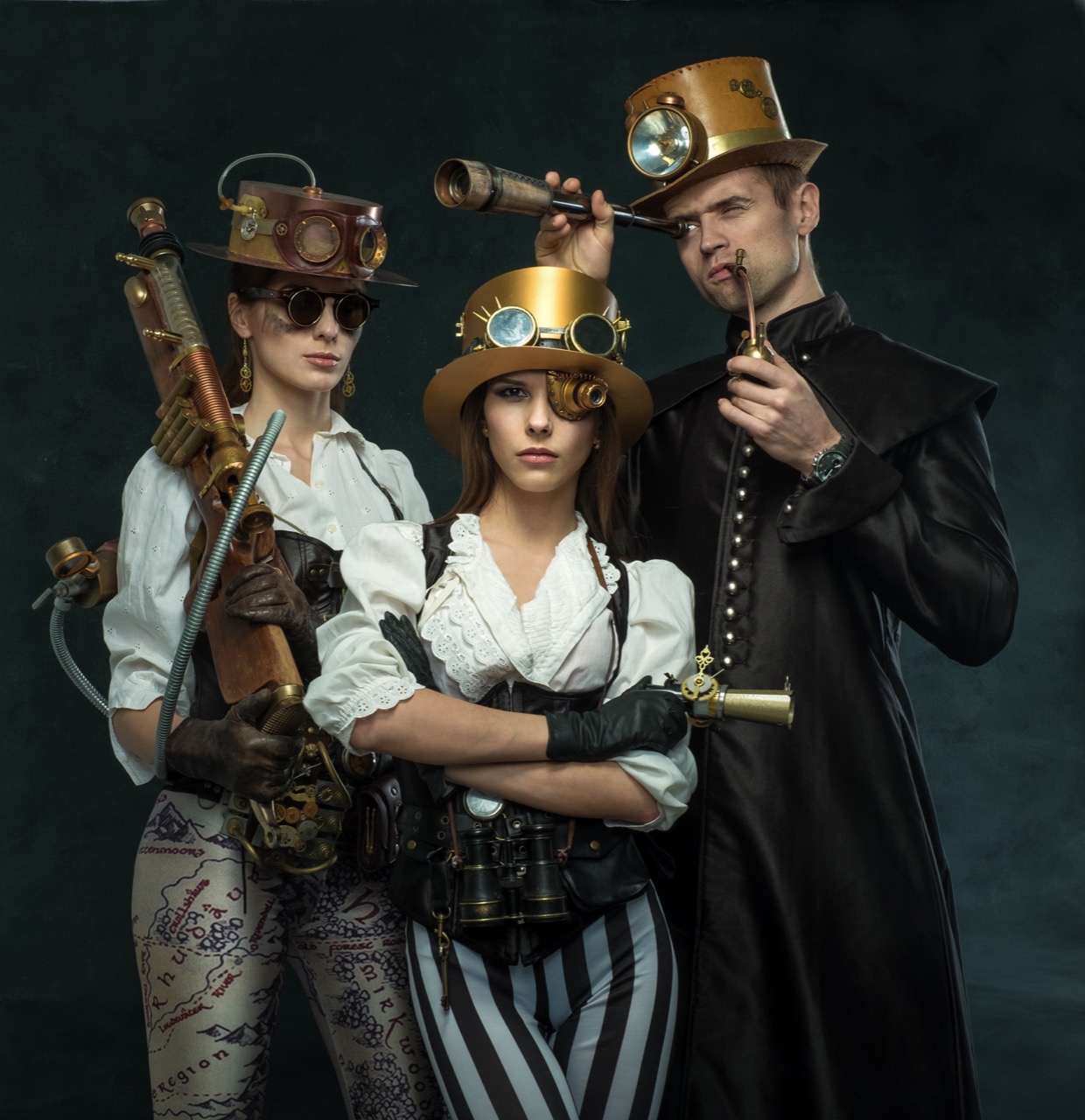
Steampunk is often recognized by its surface signals: brass fittings, leather straps, and goggles perched above determined eyes. Yet the genre’s real appeal comes from the way it remixes history, technology, and social codes into a world that feels both familiar and slightly impossible. At its core, steampunk is a conversation with the nineteenth century, especially the Victorian era, when industrialization reshaped cities, labor, and ideas about progress. The best steampunk stories and designs do not simply decorate modern characters with antique accessories. They ask what changes when steam power, mechanical ingenuity, and imperial ambition are pushed a little further, or redirected down a different path.
Many of the genre’s key ingredients come from literature that predates the term itself. Jules Verne imagined grand voyages powered by engineering bravado, while H G Wells used speculative machines to examine class, time, and social evolution. Later works helped define what modern audiences call steampunk, including stories that deliberately rewrite history with clockwork computers, alternate empires, or air fleets. The genre also borrows heavily from penny dreadful melodrama, detective fiction, and adventure serials, where gadgets and daring escapes were as important as the moral codes of the day.
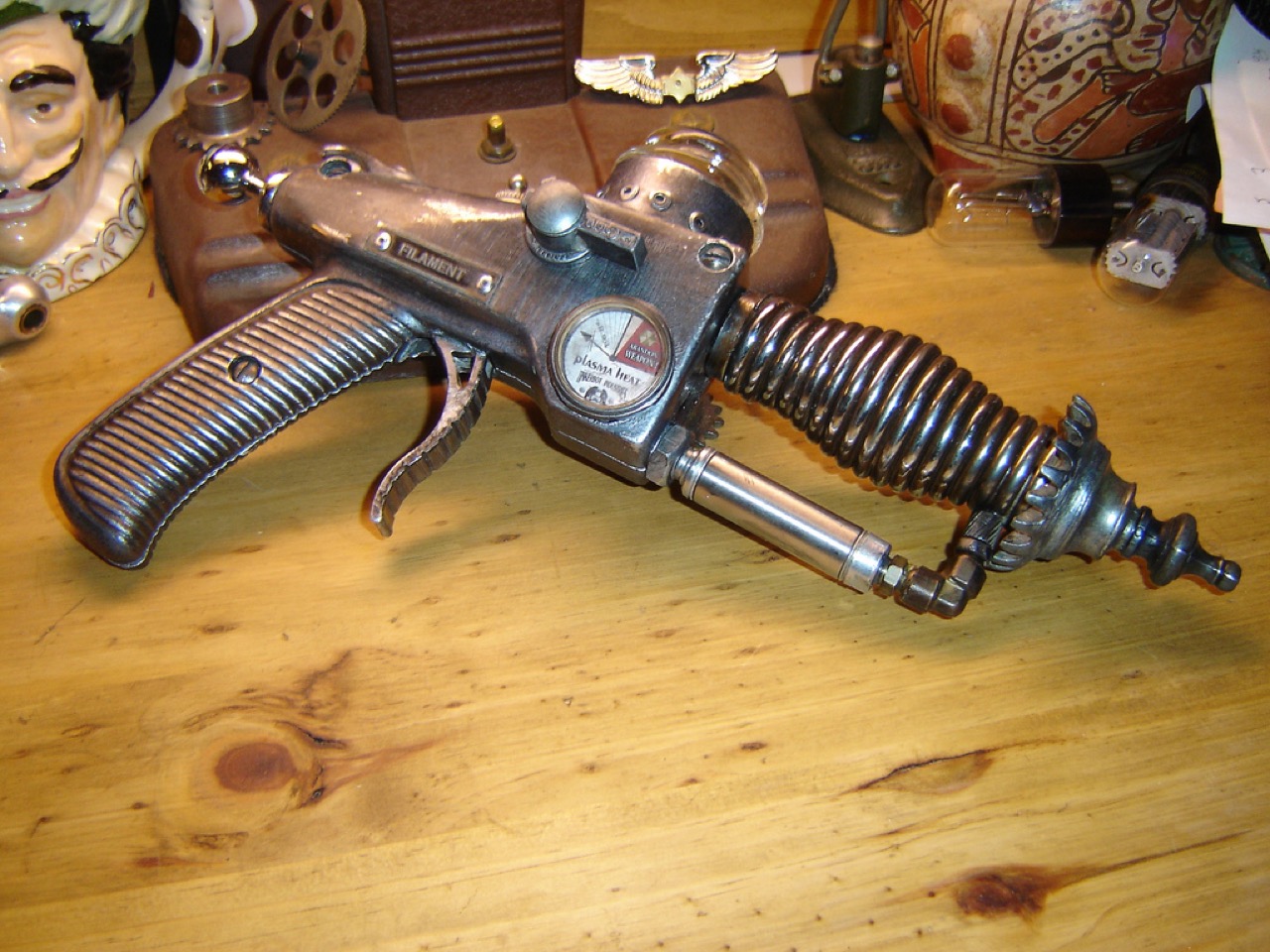
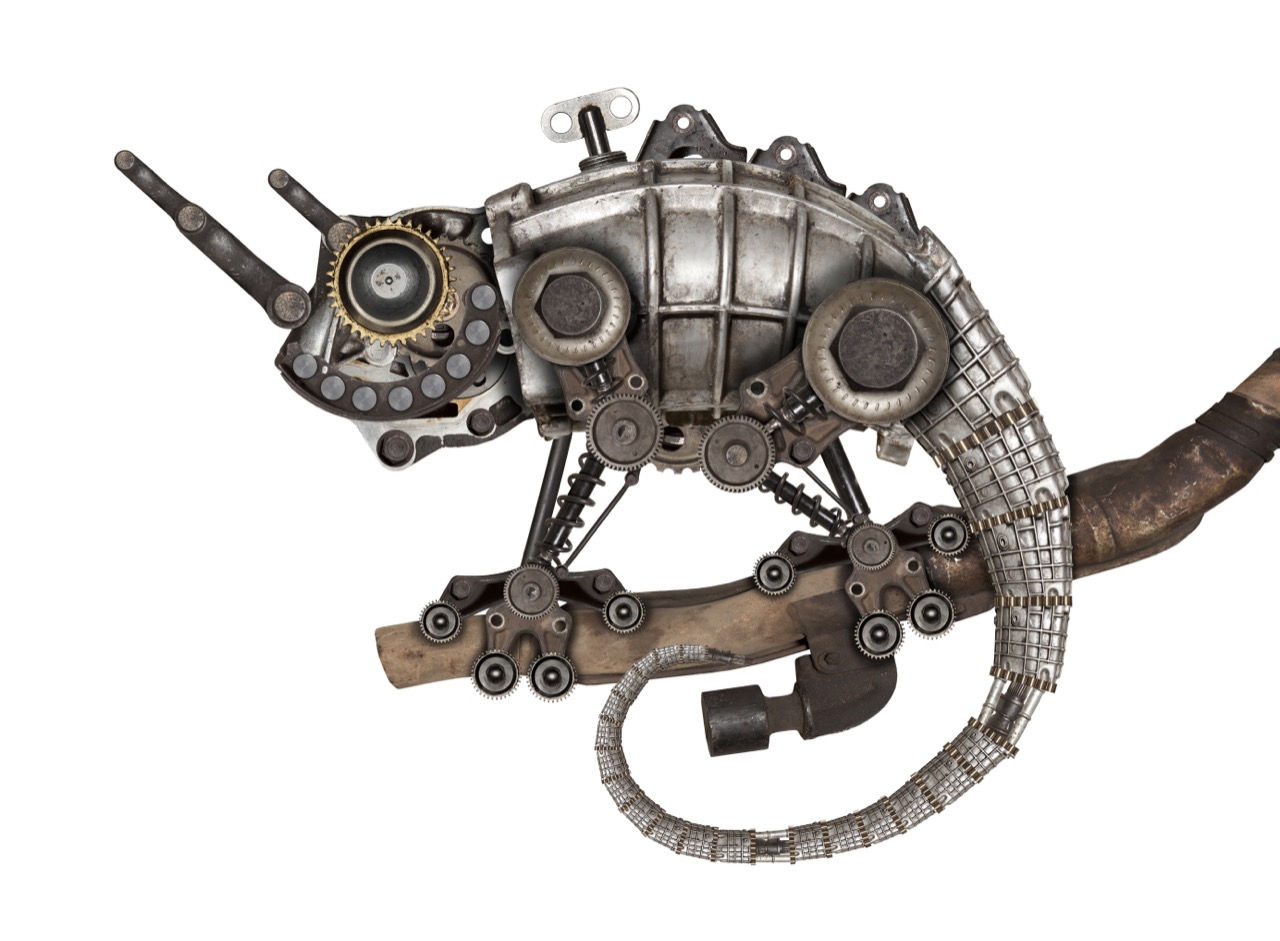
Steampunk technology is most convincing when it respects the logic of real engineering, even while bending it. Steam power is energy dense for its time, but it demands fuel, water, and constant maintenance. Boilers need space, and pressure is both a promise and a threat. That is why good steampunk often includes valves, gauges, rivets, and the ever present risk of catastrophic failure. Clockwork mechanisms, meanwhile, are wonderfully tactile but limited by friction, wear, and the complexity of gearing. A tiny clockwork insect might be plausible as a delicate toy, but a human sized clockwork soldier raises questions about power storage, torque, and repair. These constraints are not problems; they are storytelling opportunities that make inventions feel earned.
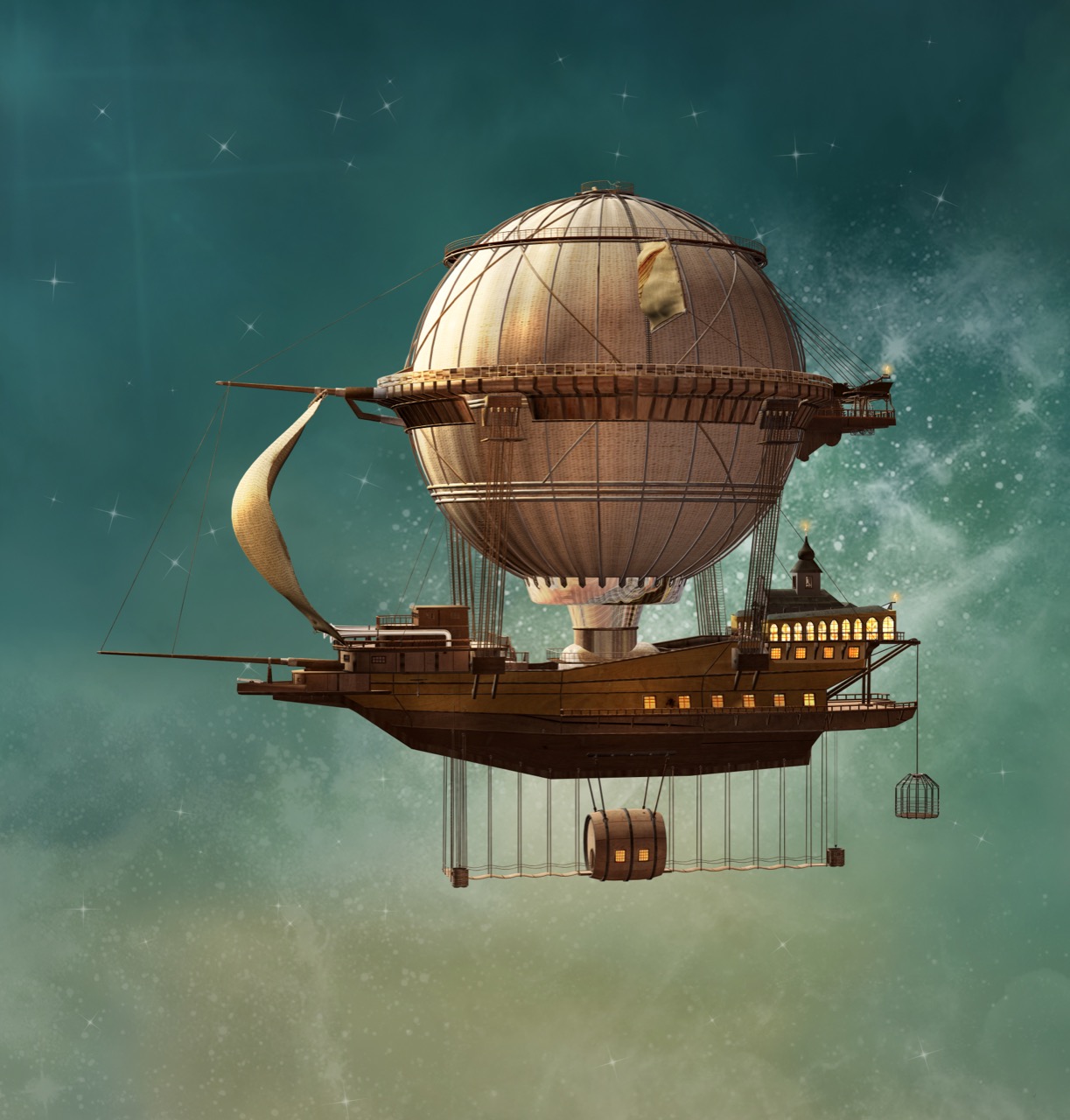
Airships are another signature, and they carry their own rules. Lighter than air craft must displace enough air to lift their mass, so a believable airship needs a huge envelope, lightweight materials, and careful ballast management. Steering requires engines and control surfaces, and weather is a serious antagonist. When steampunk treats airships as floating cities, it often mirrors the era’s maritime culture, complete with ranks, uniforms, and etiquette. That is where the genre’s obsession with class signals becomes more than costume. A waistcoat, a pocket watch, or a calling card can indicate status, profession, or access to power. Even speech patterns and manners can be used as technology of a different sort, a social machinery that decides who is believed and who is ignored.
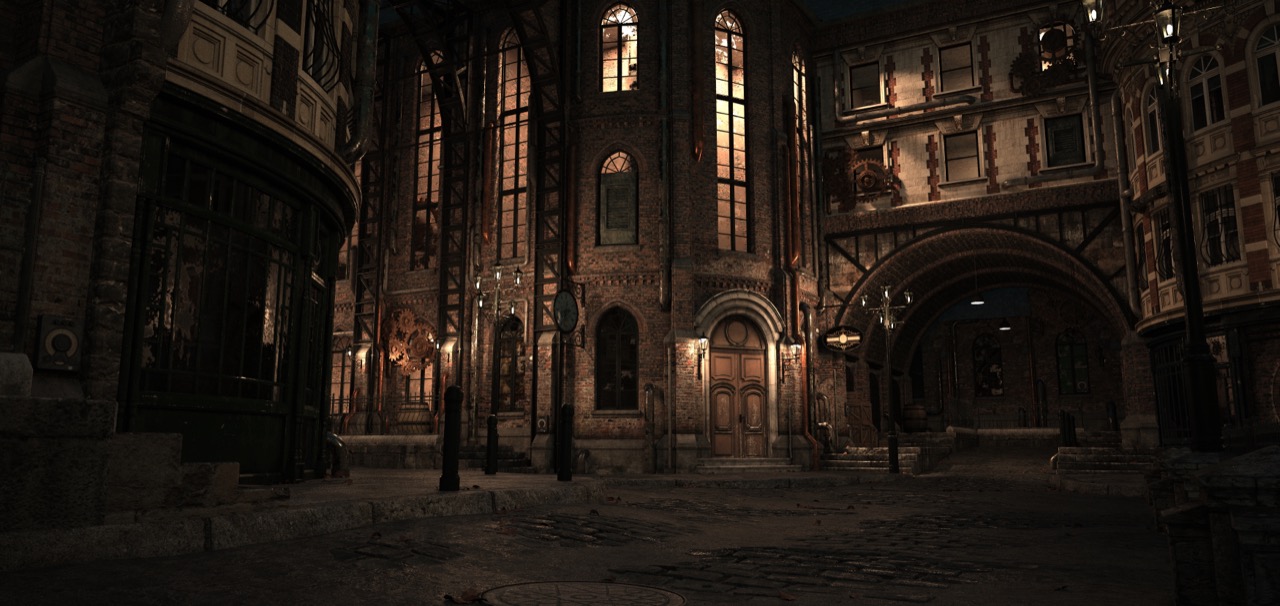
Steampunk’s offshoots show how flexible the idea can be. American frontier variations trade foggy London streets for railroads, desert towns, and telegraph lines, mixing industrial wonder with the grit of expansion and conflict. Japanese reinterpretations may blend Meiji era modernization with local aesthetics, creating machines that feel less like Victorian ornament and more like disciplined craft. In conversations that touch Afrofuturism and postcolonial critique, steampunk can become a way to examine empire, extraction, and whose labor powered the so called age of progress. These approaches remind readers that the nineteenth century was not only a time of invention, but also a time of exploitation, resistance, and competing visions of modernity.
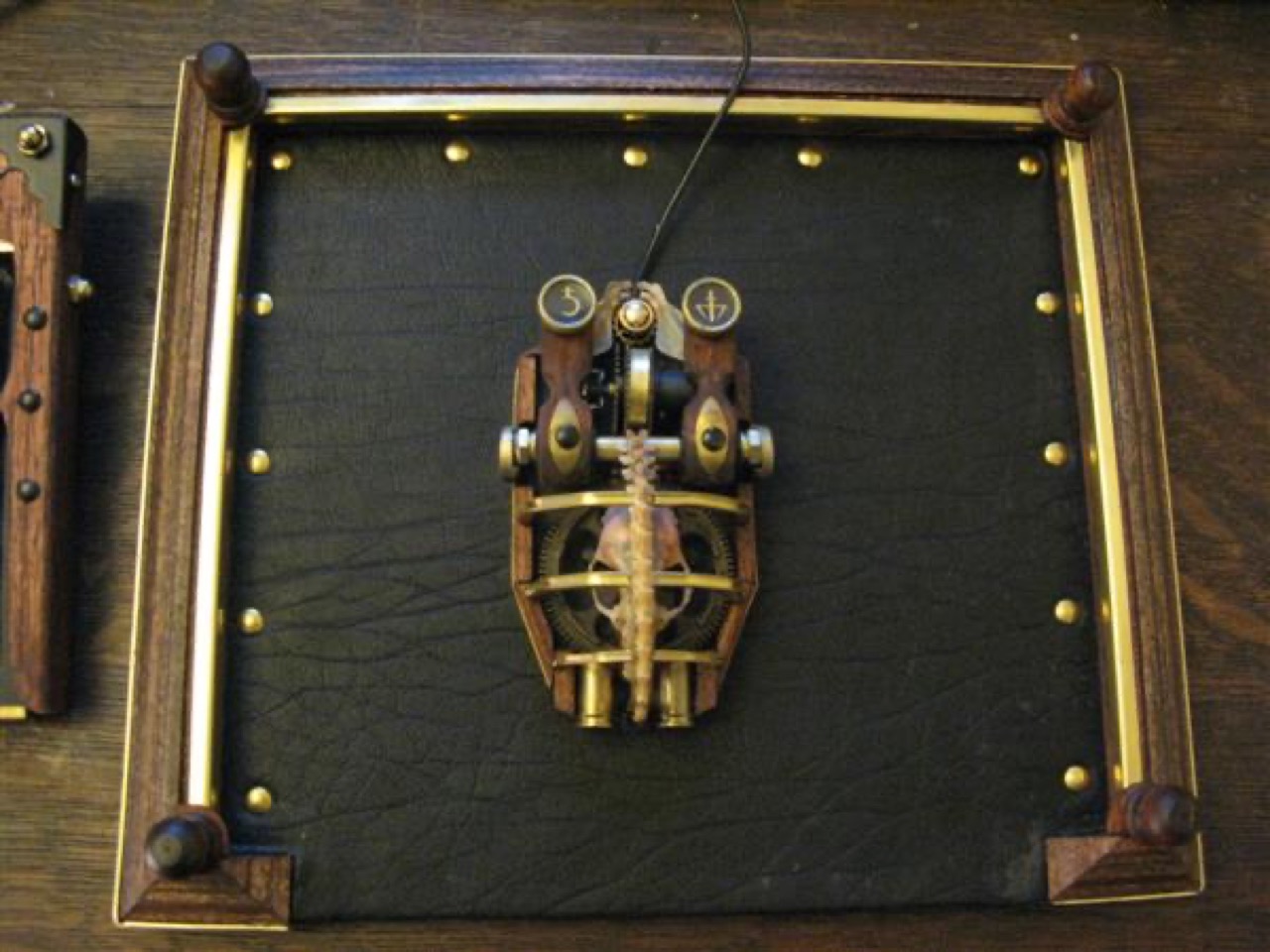
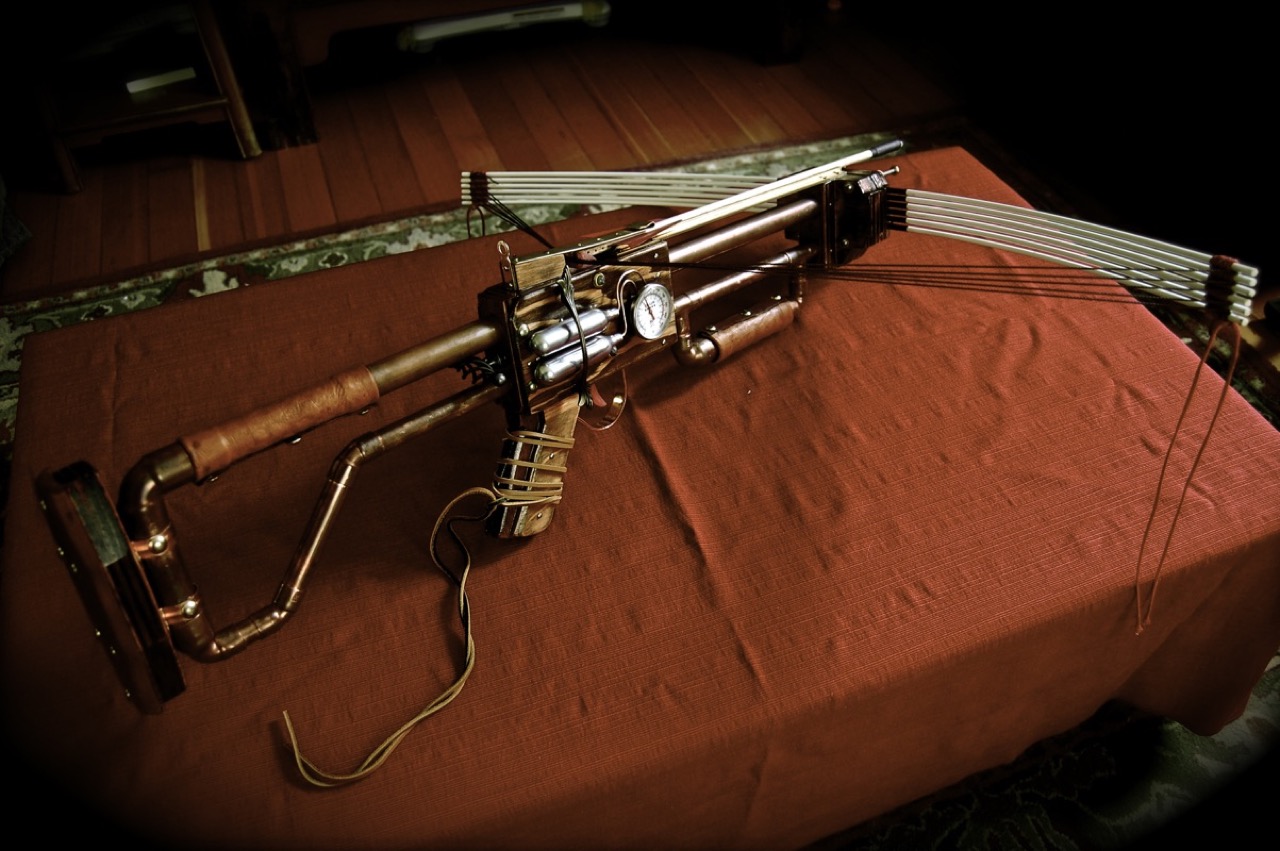
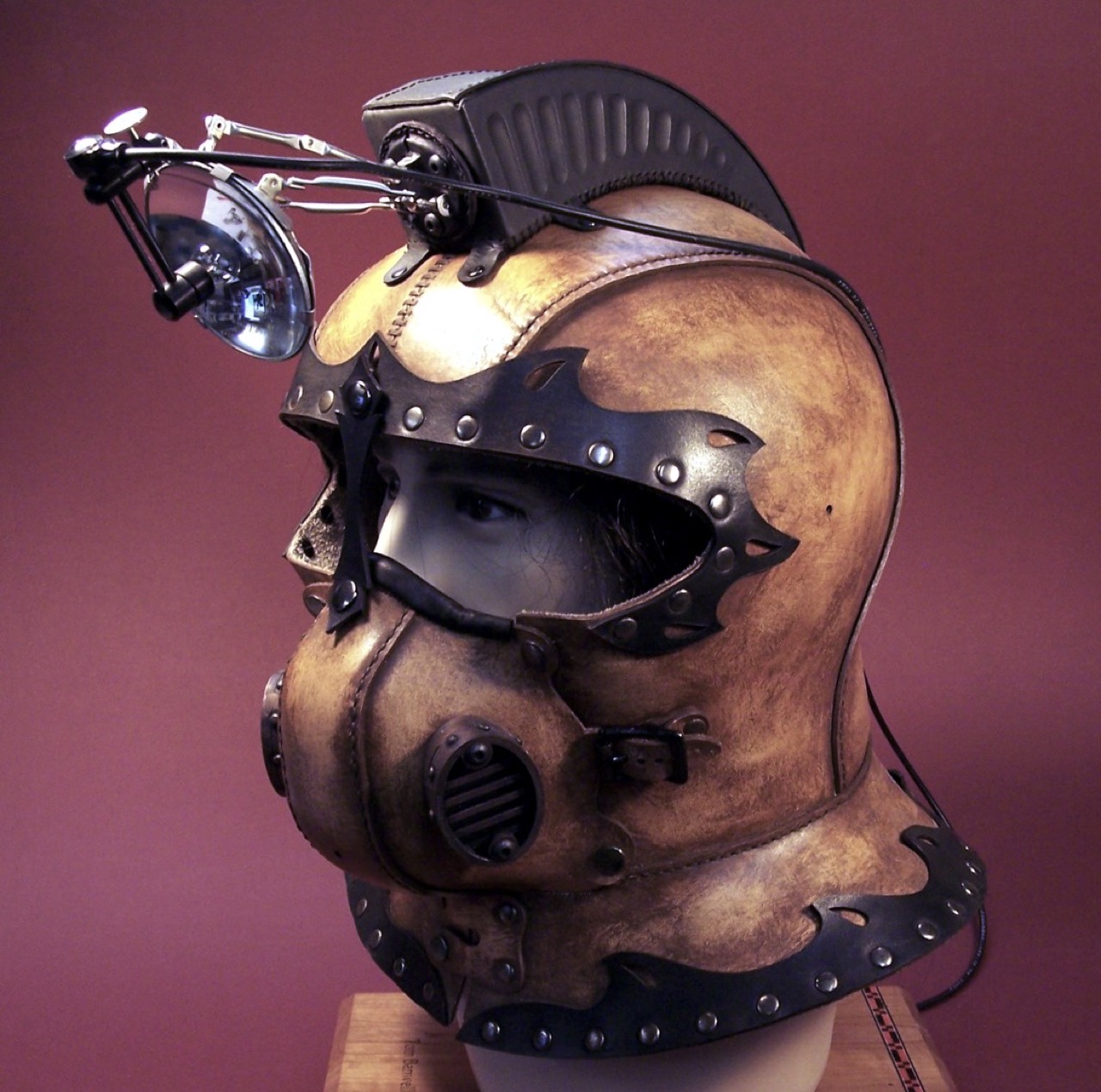
Design wise, the difference between period influence and modern pastiche often lies in materials and function. Brass and copper were used historically, but not everything was polished; soot, oil, and wear were constant companions. Leather served practical purposes, as did canvas, wool, and steel. Ornament tended to follow manufacturing methods, with cast pieces, engraved plates, and visible fasteners. When an object looks beautiful but could not be assembled, serviced, or carried, it can feel like a costume rather than a tool. The most satisfying steampunk artifacts seem maintainable, as if someone could tighten a bolt, replace a gasket, and get the machine running again.
Ultimately, steampunk endures because it makes progress tangible. It turns abstract systems into gears you can point to, and it asks what kind of world we build when we believe machinery can solve everything. Whether you come for the bibliography, the airship schematics, or the etiquette wars at a soot stained ballroom, steampunk offers a rich playground where history’s pressure gauge is always trembling near the red line.