Brass, Gears, and Gadgets Steampunk Quiz



Quiz Complete!
Everyday Steampunk: Brass, Gears, and Victorian-Inspired Gadgets
Steampunk often brings to mind airships drifting over soot-dark skylines, but its most recognizable magic lives in everyday objects. It is a style built from a conversation between real nineteenth century technology and playful what-if inventions. The best steampunk pieces feel as if they could have been made in a Victorian workshop, even when they hide modern electronics inside.
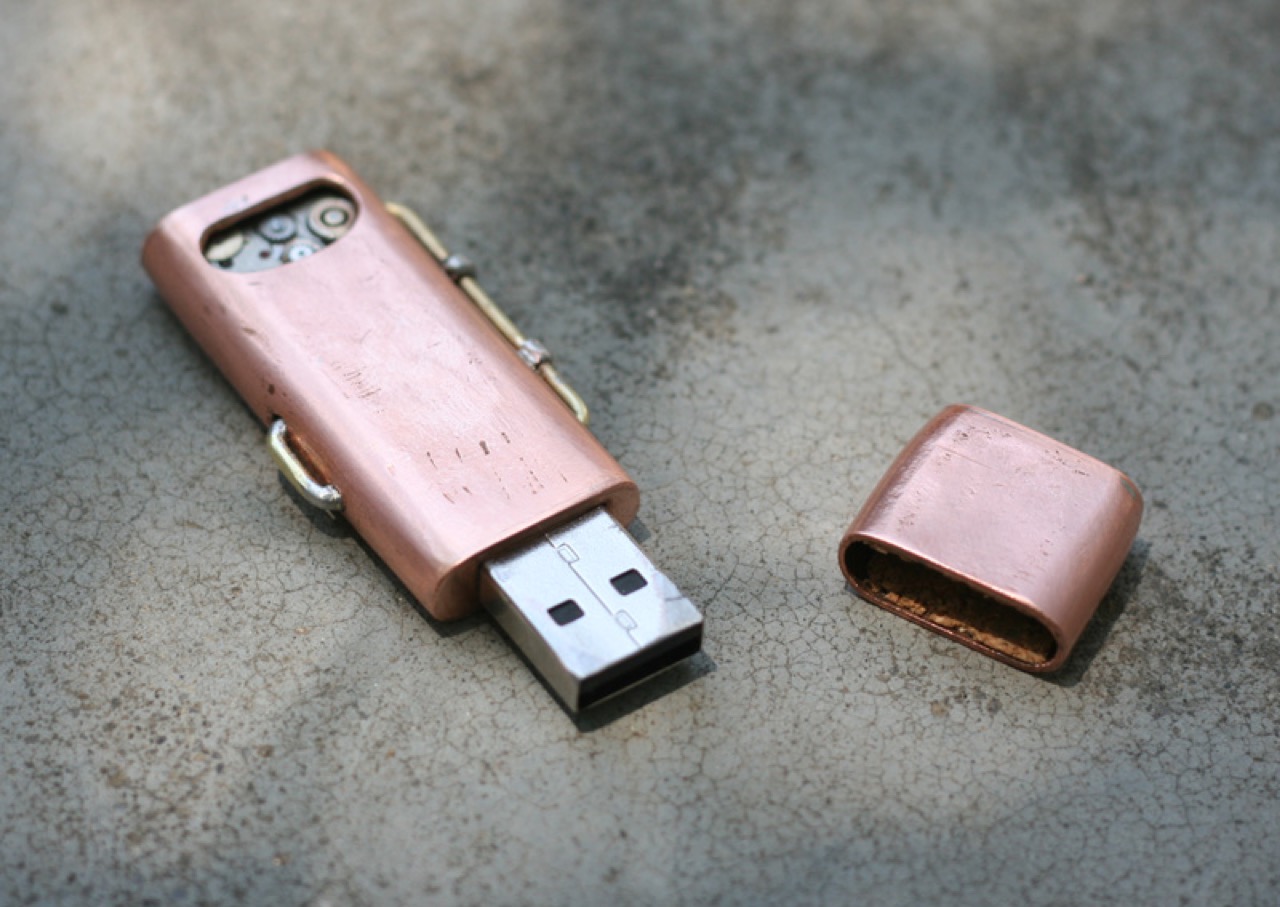
Materials do a lot of the storytelling. Brass and copper are favorites because they were common in the age of steam and early electricity. Brass resists corrosion and machines well, which made it practical for instruments, valves, fittings, and decorative hardware. Copper was essential for boilers, plumbing, and later for electrical wiring. Both metals develop a patina, a slow surface aging that gives objects the sense of having lived through years of use. That warm, slightly weathered look is part of why a brass compass, a copper pen, or a riveted metal plate instantly reads as steampunk in a way that shiny chrome rarely does.
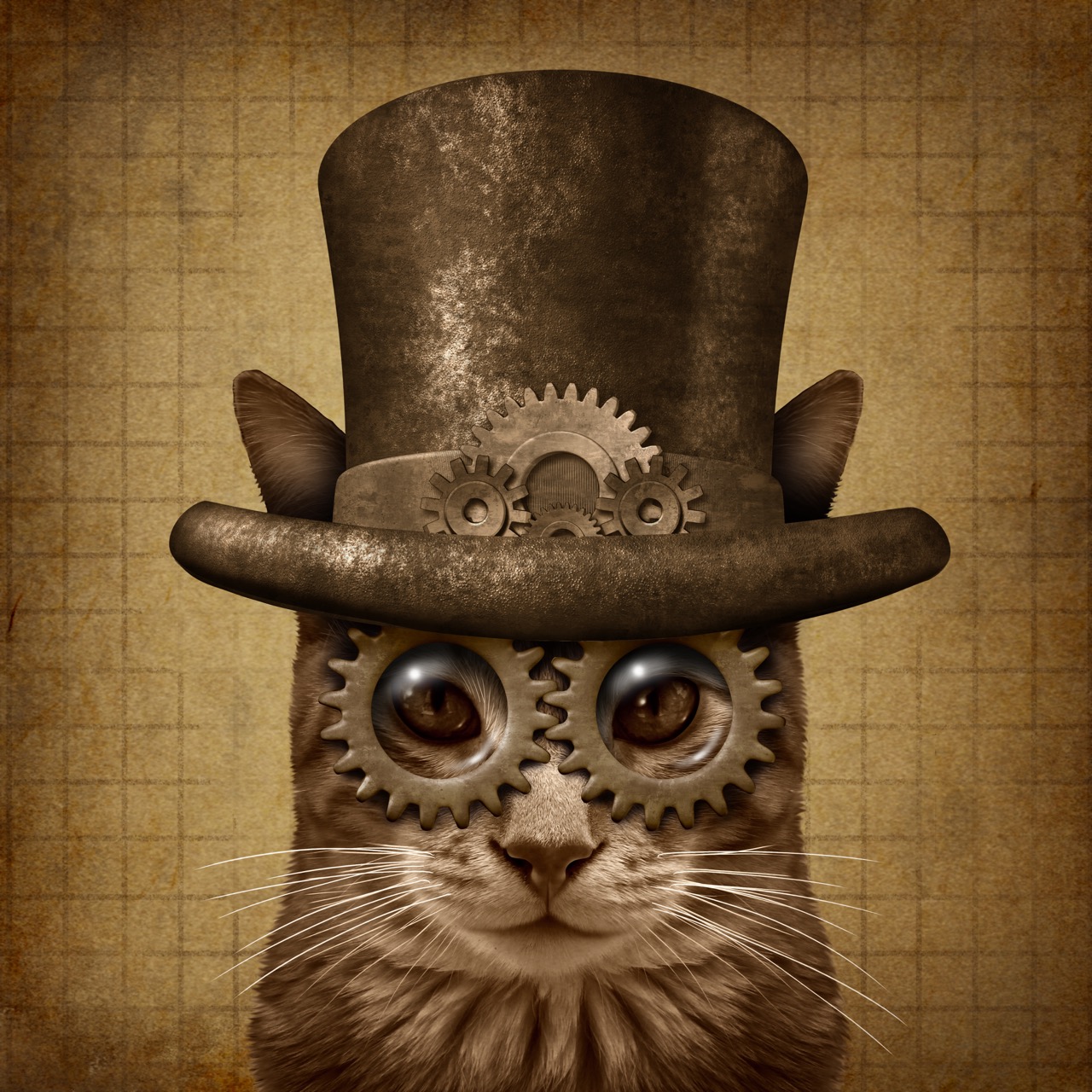
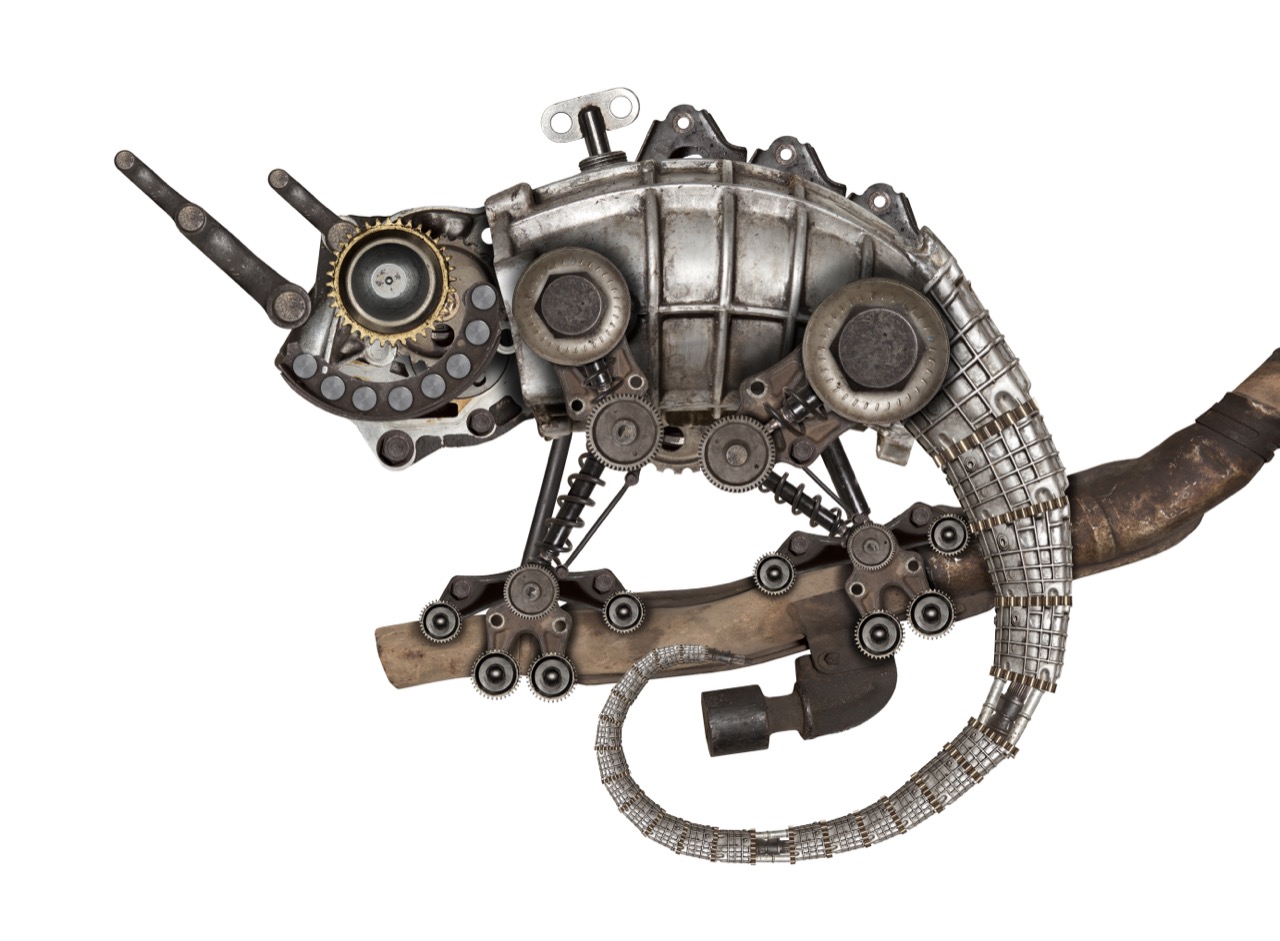
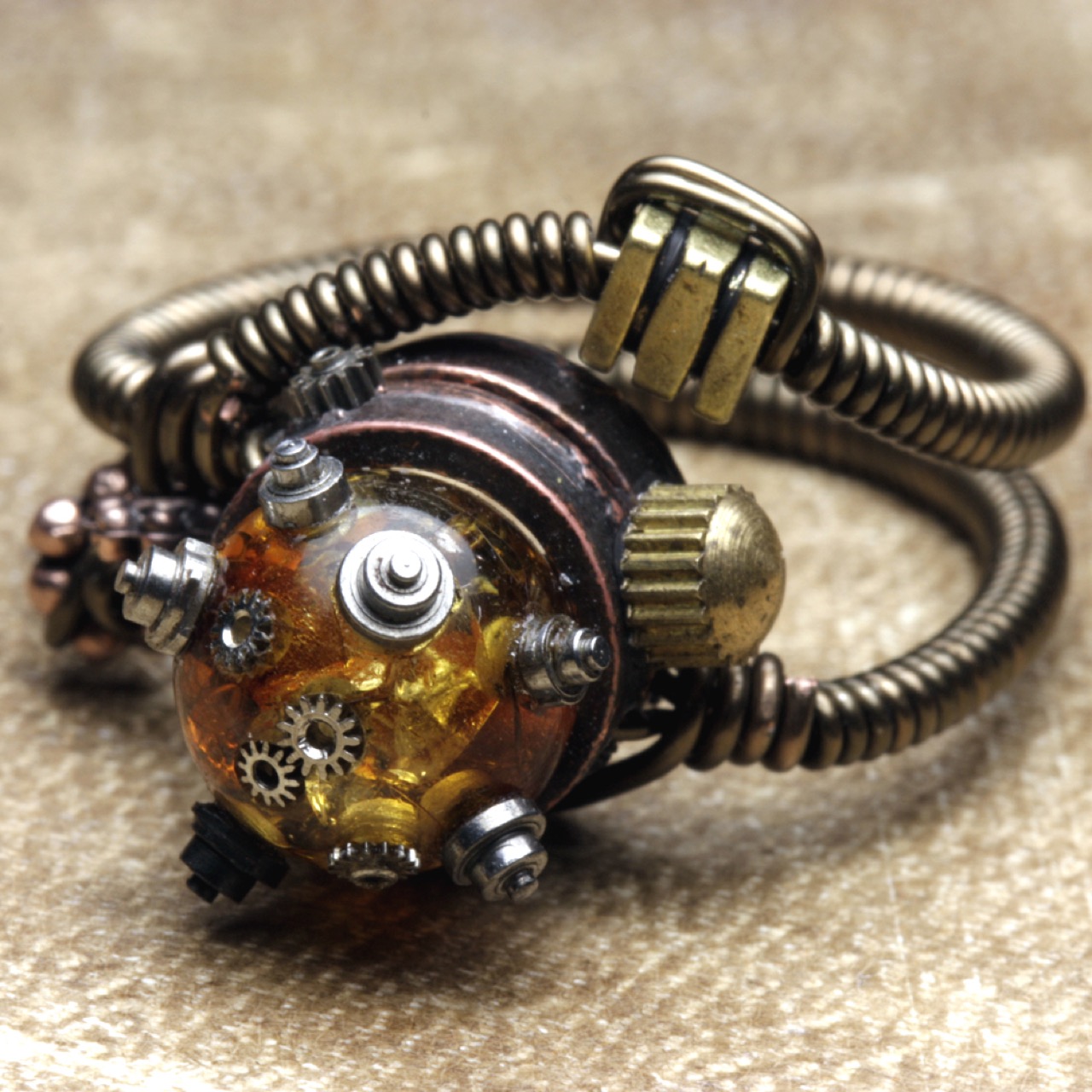
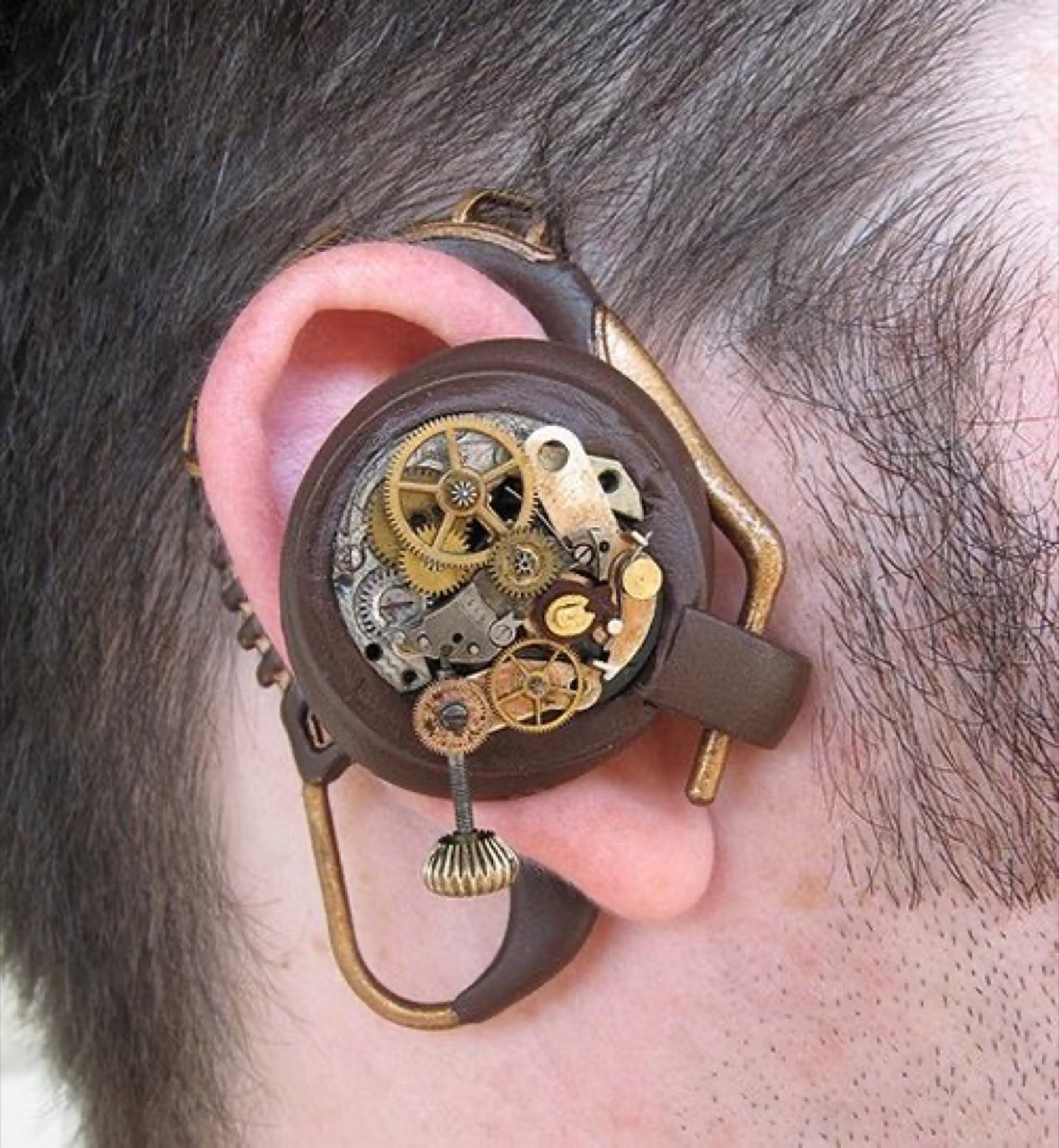
Gears are another signature motif, even though exposed gears were not as ubiquitous in real Victorian consumer goods as modern steampunk suggests. The gear became a symbol of industry, mechanics, and visible cause-and-effect. In steampunk design, showing the mechanism is the point: you can see how it works, or at least you can imagine you can. That is why pocket watches, timepieces, and clockwork details appear everywhere. Real pocket watches were marvels of compact engineering, and watchmakers did use jeweled bearings and finely cut gear trains. A gear-covered watch case is more theatrical than historical, but it communicates precision and craft.
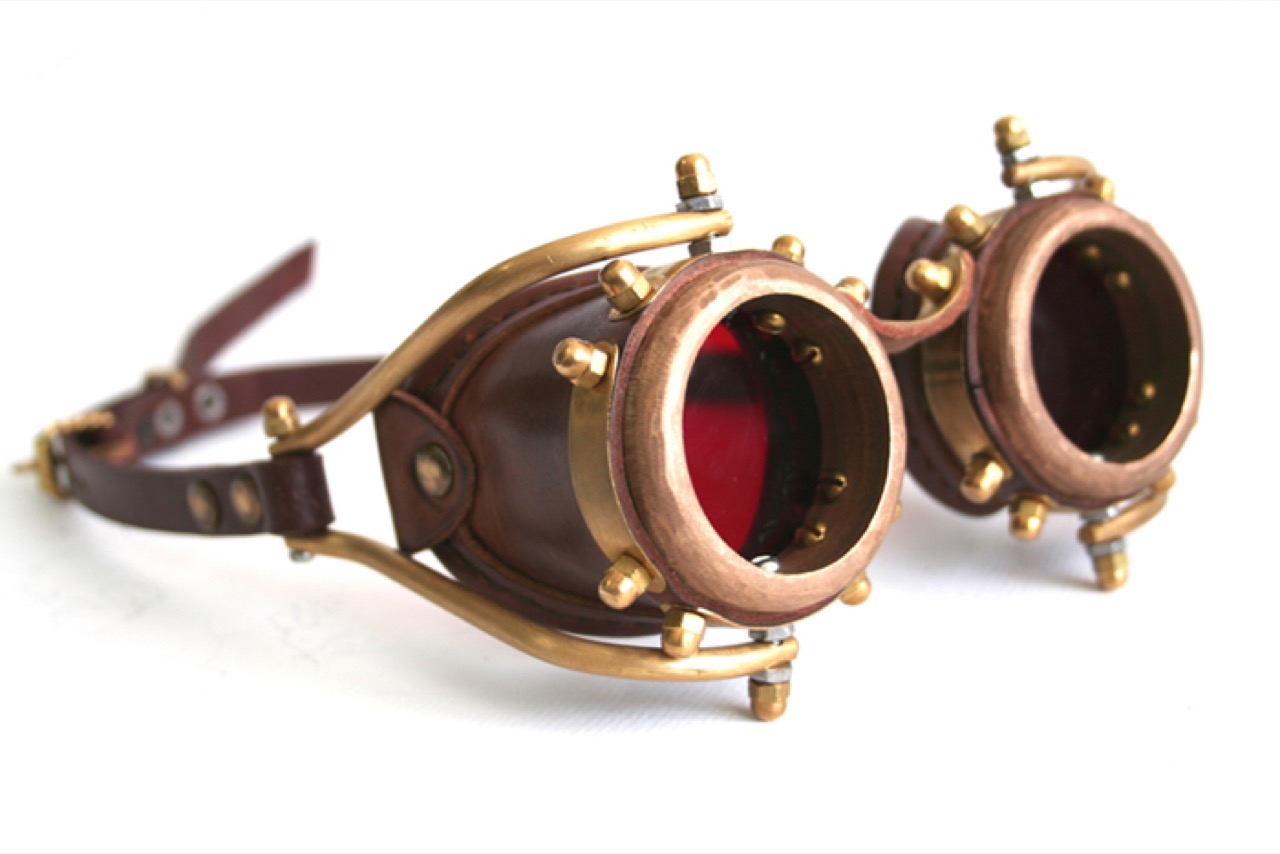
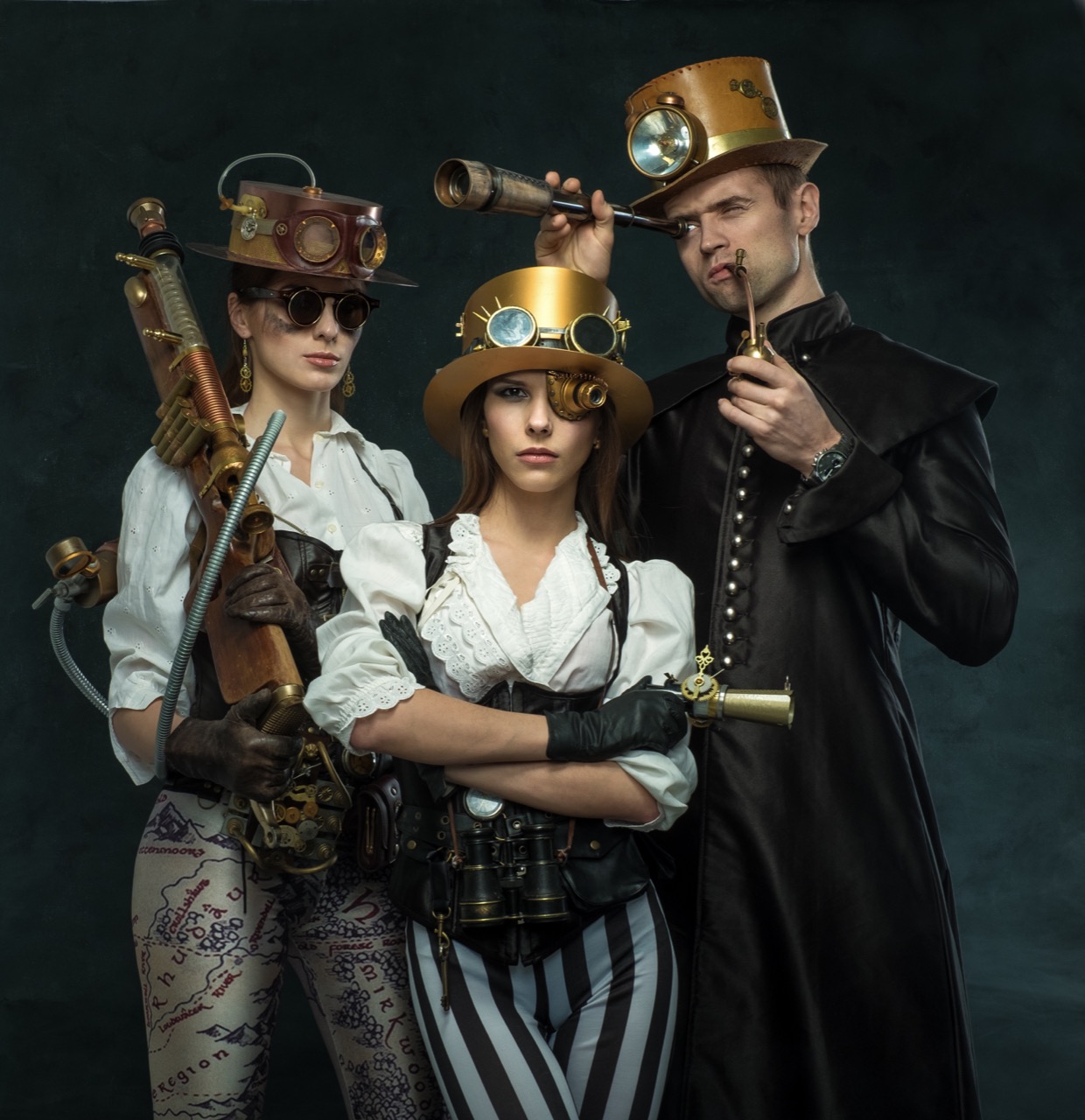
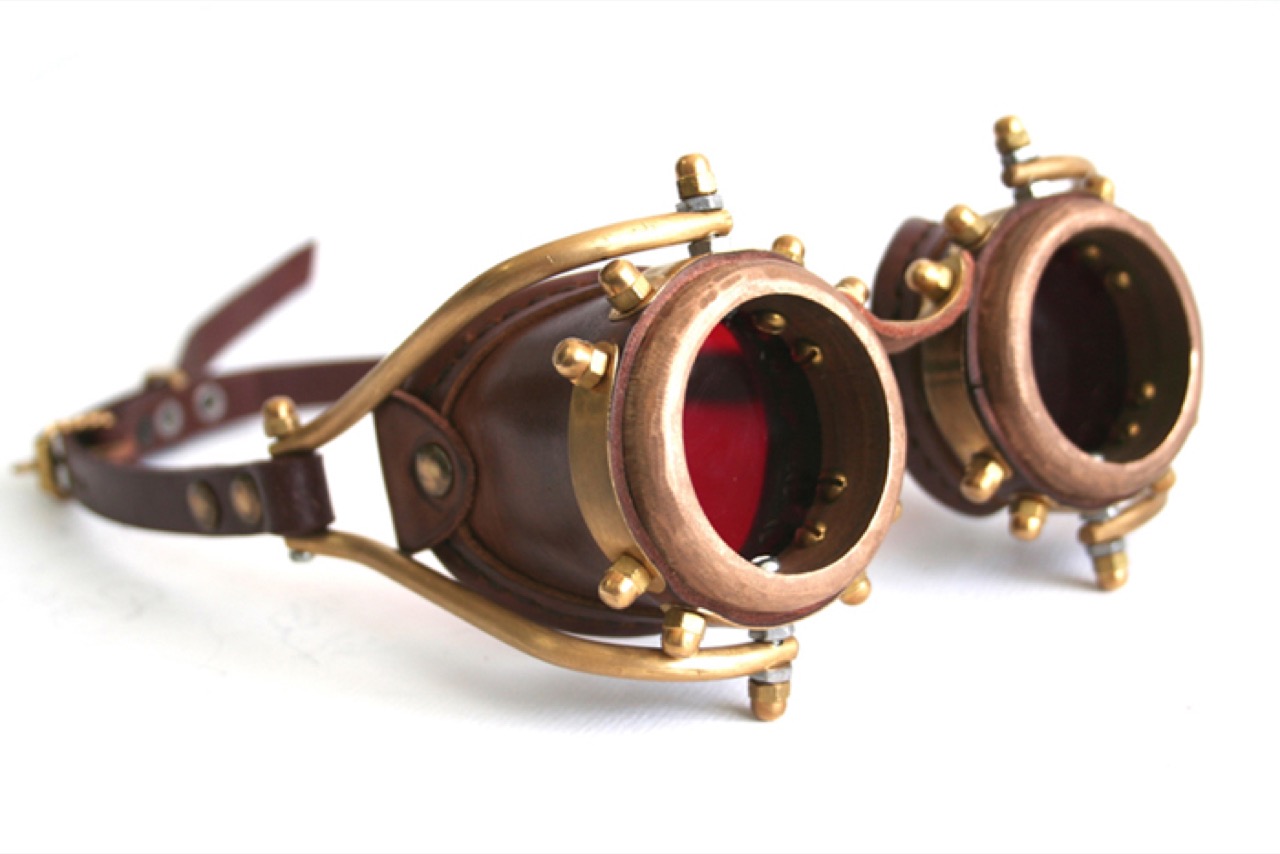
Accessories help anchor the genre to daily life. Goggles are iconic because they connect to rail travel, early aviation, and industrial labor, even if the exact style is often exaggerated. Leather is common for straps, satchels, belts, and holsters because it was a durable, widely used material before plastics. Rivets, buckles, and stitched seams suggest repairability and hands-on tinkering. A leather satchel with metal corners looks like it could carry drafting tools, notebooks, and odd components collected from a market stall.
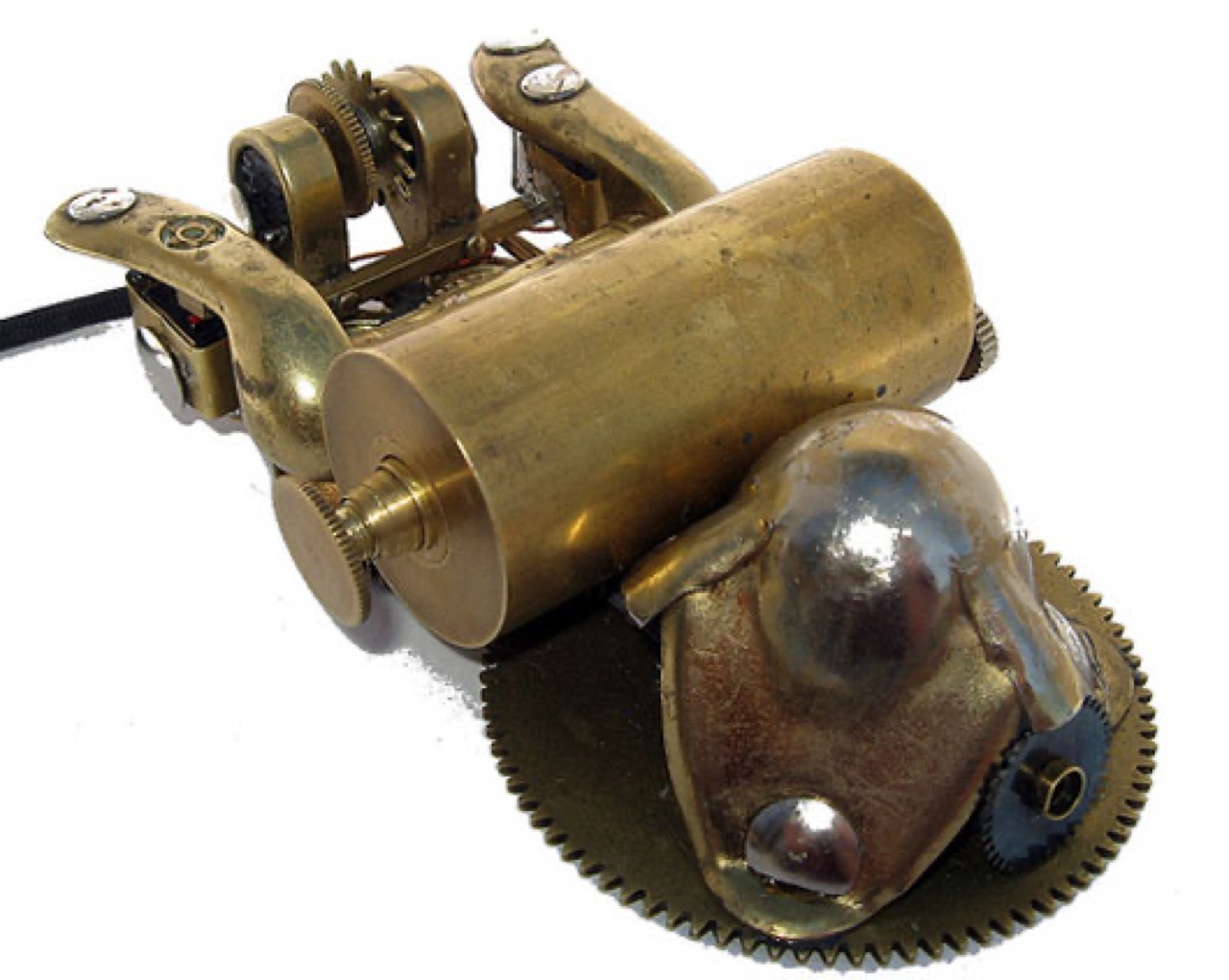
When steampunk borrows from history, it tends to favor inventions that sit near the Victorian timeline. The telegraph transformed communication in the 1800s, and its clicking sound and coded messages fit steampunk’s love of tactile interfaces. Early photography, with glass plates and brass lenses, adds a sense of scientific wonder. The typewriter, introduced in practical form in the late nineteenth century, is another strong match, which is why modern keyboards are sometimes rebuilt with round keys and heavy frames to mimic that era. Gas lamps, pressure gauges, mechanical calculators, and ornate scientific instruments all provide authentic inspiration.
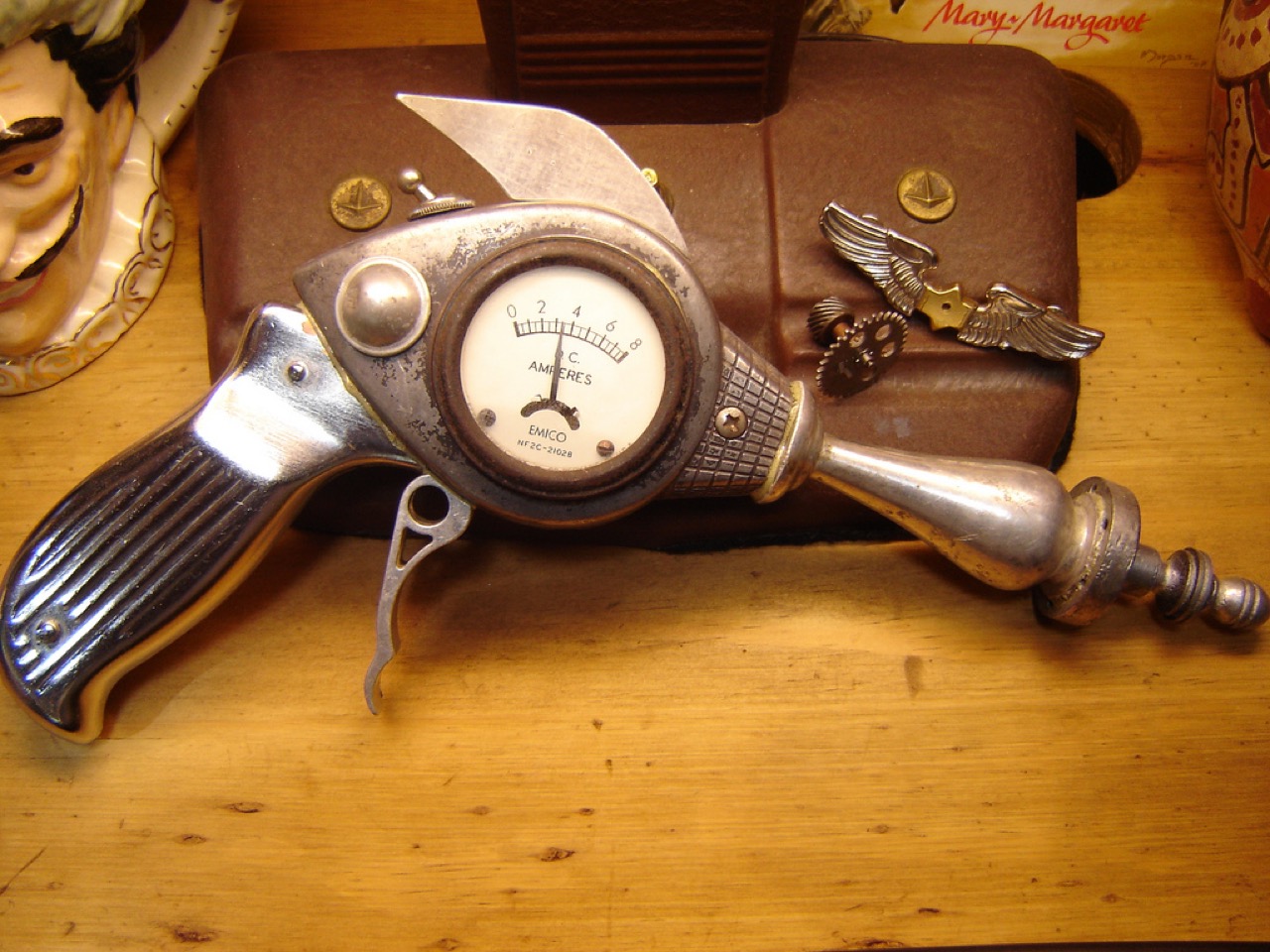
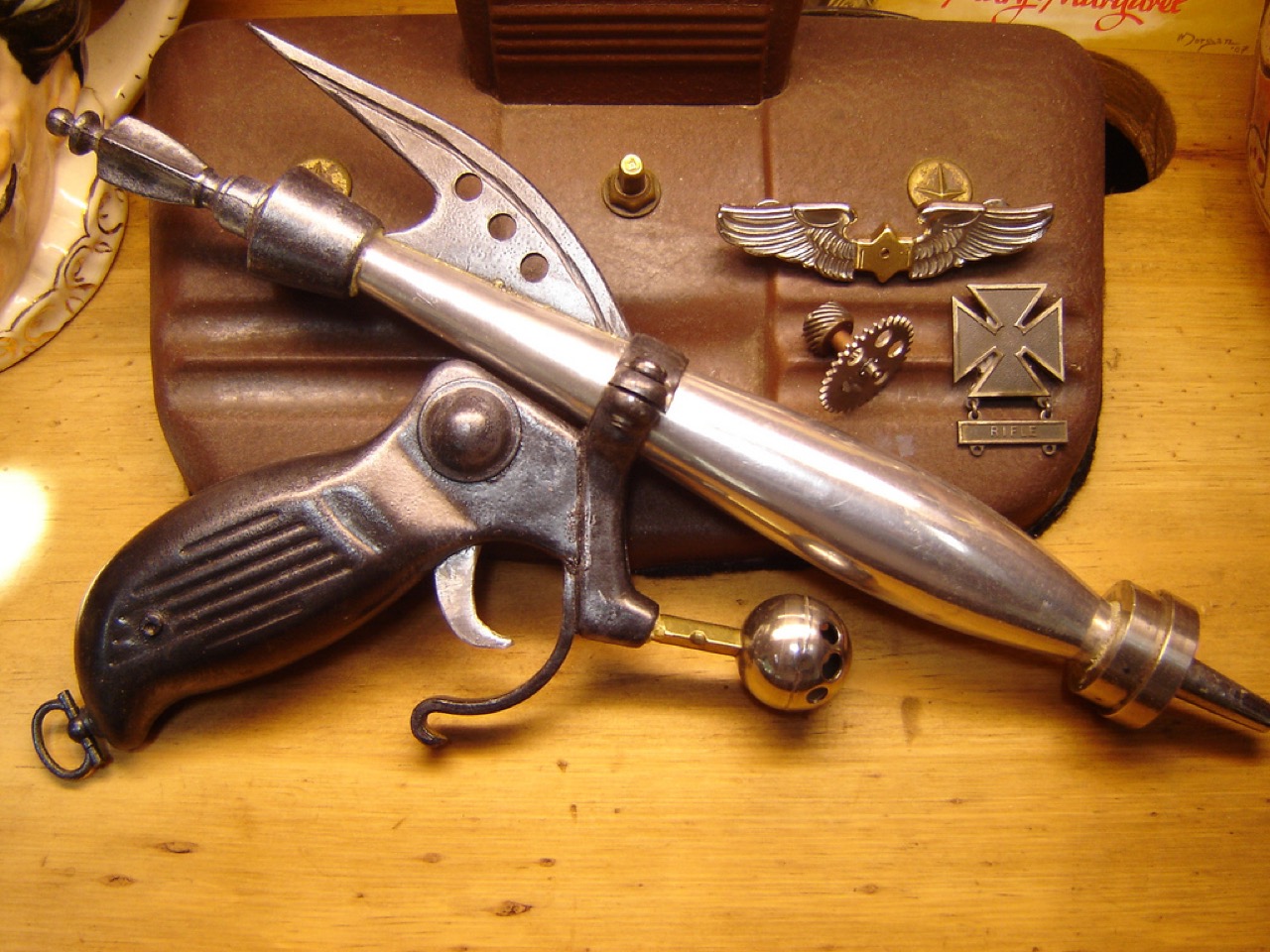
Part of the fun is spotting what belongs to a different retro future. Sleek ray guns, neon-lit robots, and rocket fins usually lean more toward dieselpunk or mid-century science fiction than classic steampunk. Steampunk technology tends to look mechanical, analog, and workshop-made: levers, valves, dials, and hand-finished surfaces. Even when a device is impossible, it often pretends to be powered by steam, clockwork, or early electricity, with visible coils and insulated wires.
Modern makers keep the everyday spirit alive by modifying real objects. A smartphone case can be dressed in leather and brass accents, a laptop can gain faux vents and engraved plates, and headphones can be rebuilt with wood and metal housings. The most convincing pieces respect function as much as style, suggesting a world where invention is personal and machines are meant to be understood. Steampunk, at its best, invites you to imagine the story behind your tools: who built them, how they were repaired, and what adventures they might survive.