Clockwork Records and Steampunk Extremes Quiz

Quiz Complete!
Clockwork Records and Steampunk Extremes: When Victorian Fantasy Turns Competitive
Steampunk is often described as a style, a genre, or a love letter to an alternate Victorian age powered by steam and imagination. But at its most exuberant, steampunk becomes a kind of friendly competition where makers, costumers, and performers chase extremes: bigger builds, longer crafting hours, heavier metalwork, and gatherings so large they feel like small cities in goggles. The result is a culture where bragging rights can be as prized as brass, and where the line between art project and engineering challenge gets delightfully blurry.
Records in steampunk rarely look like traditional sports achievements, yet they share the same ingredients: clear rules, documentation, and a community that cares. Some feats fit neatly into formal record keeping, especially when they can be measured and verified. Others live as legendary “maker lore,” repeated at conventions and workshops: the person who hand-tooled every rivet, the coat that took a year to embroider, the airship-themed vehicle that actually drives. Whether officially certified or simply celebrated, steampunk extremes tend to fall into a few recognizable categories.
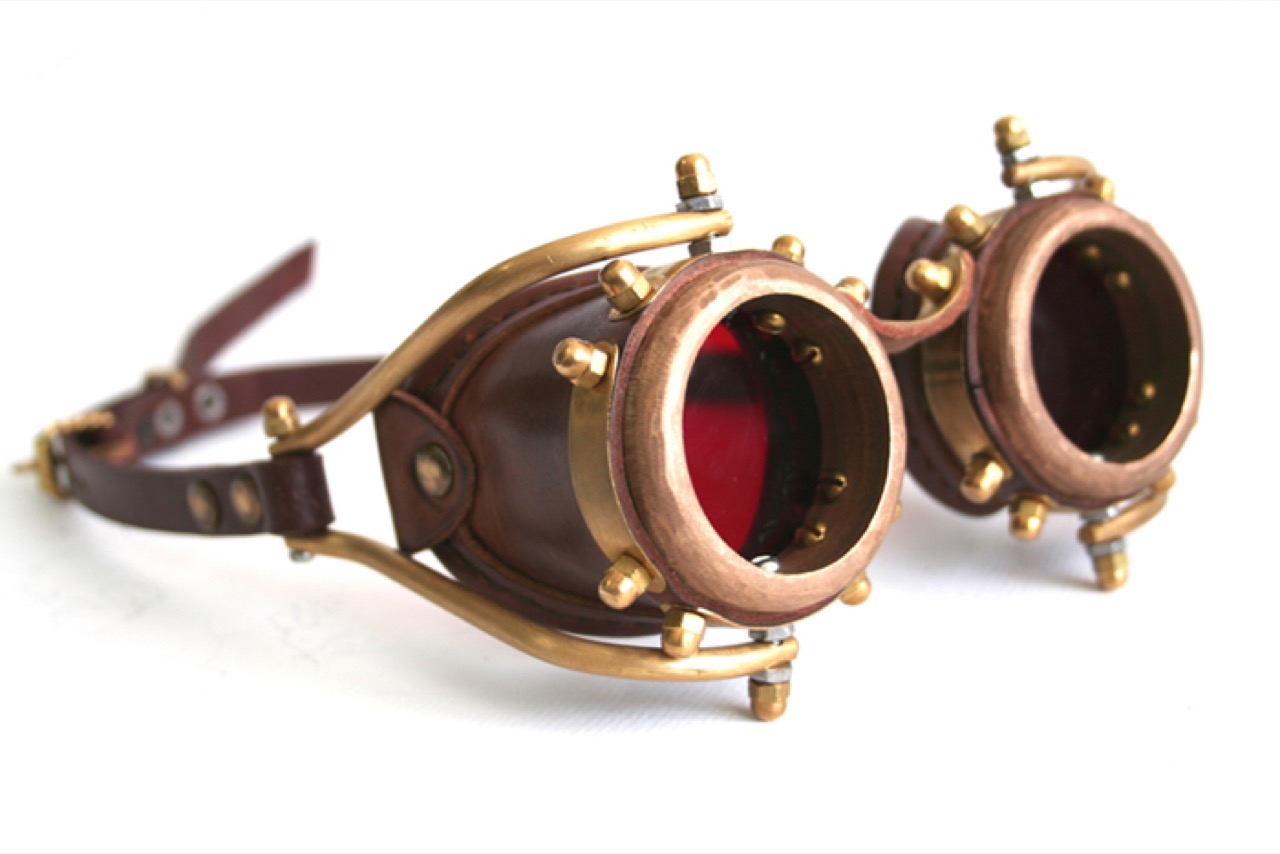
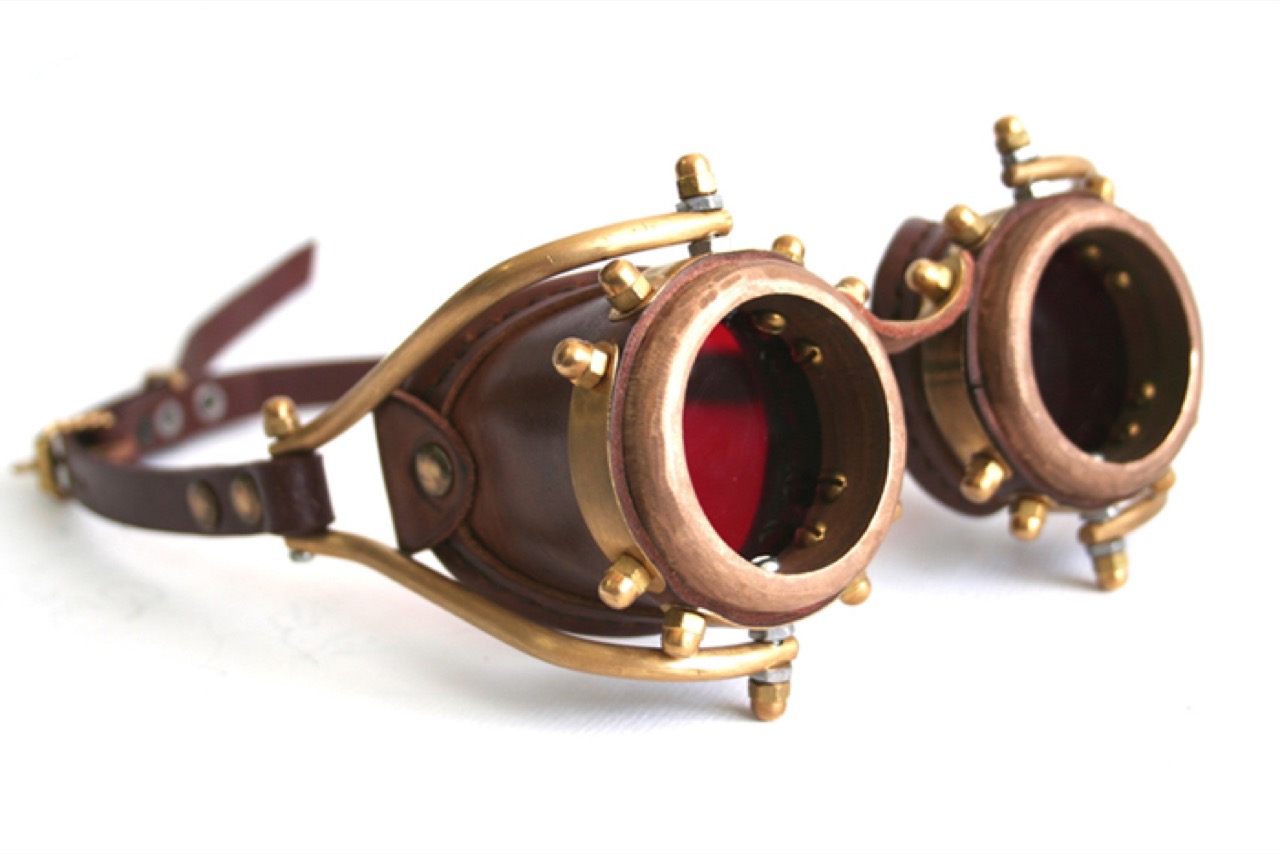
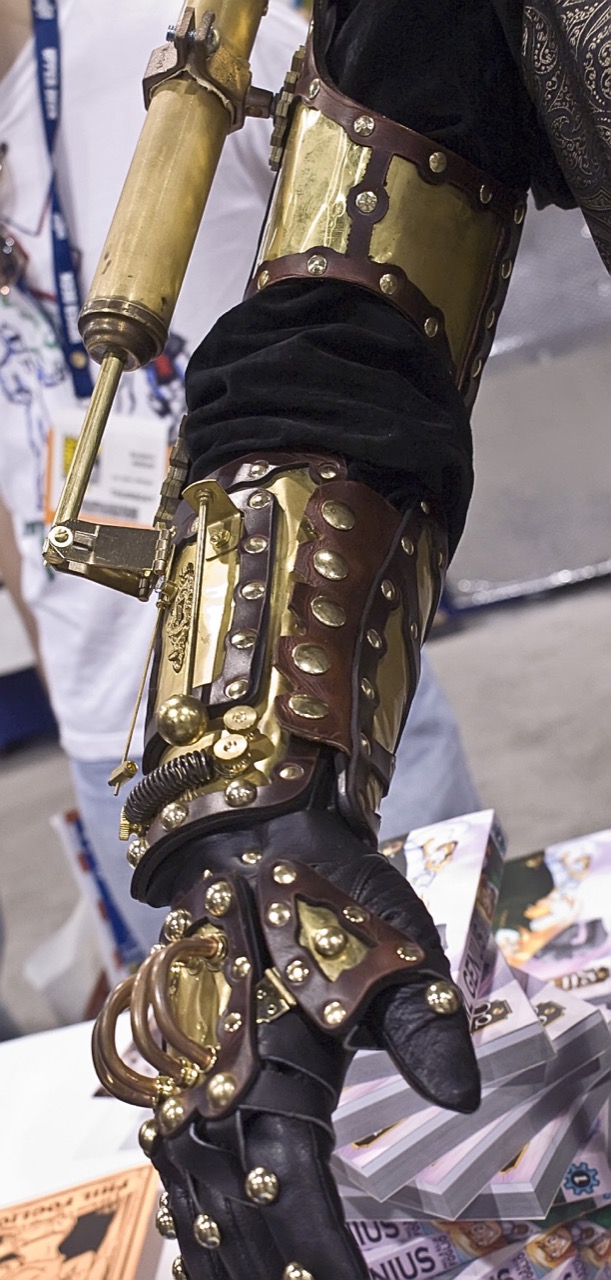
Costume culture is the most visible arena. The biggest builds are not just tall hats and goggles, but full silhouettes engineered for impact: winged backpacks with moving parts, corsetry reinforced like armor, and skirts structured with hidden frameworks. The most dramatic costumes often combine multiple crafts at once, such as leatherworking, metal fabrication, sewing, and prop building. What makes these outfits “record worthy” is not only size or complexity but endurance. Wearing a heavy, layered ensemble for an entire day at a festival can be a feat of stamina, especially when it includes real metal components, functional mechanisms, and heat-trapping fabrics.
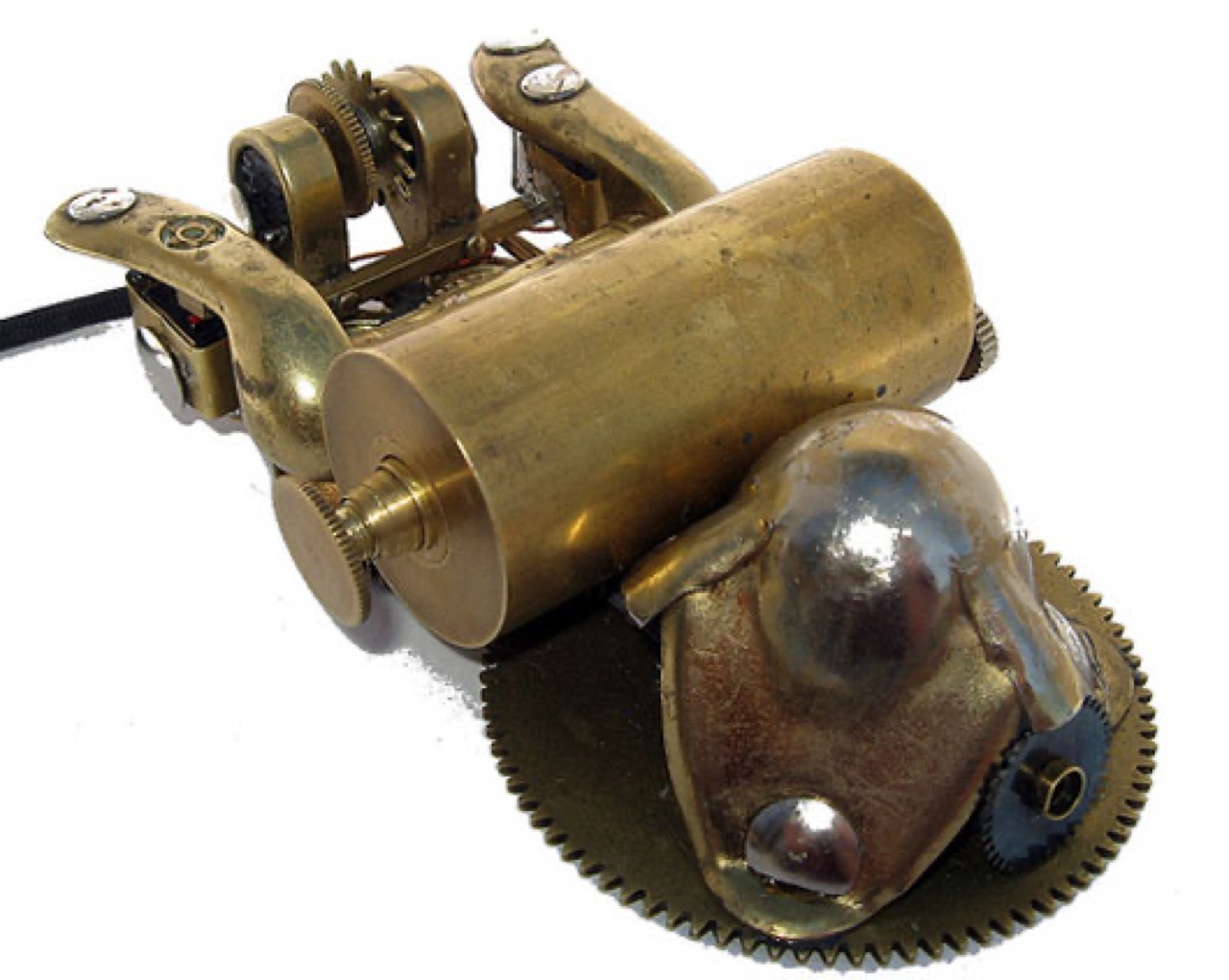
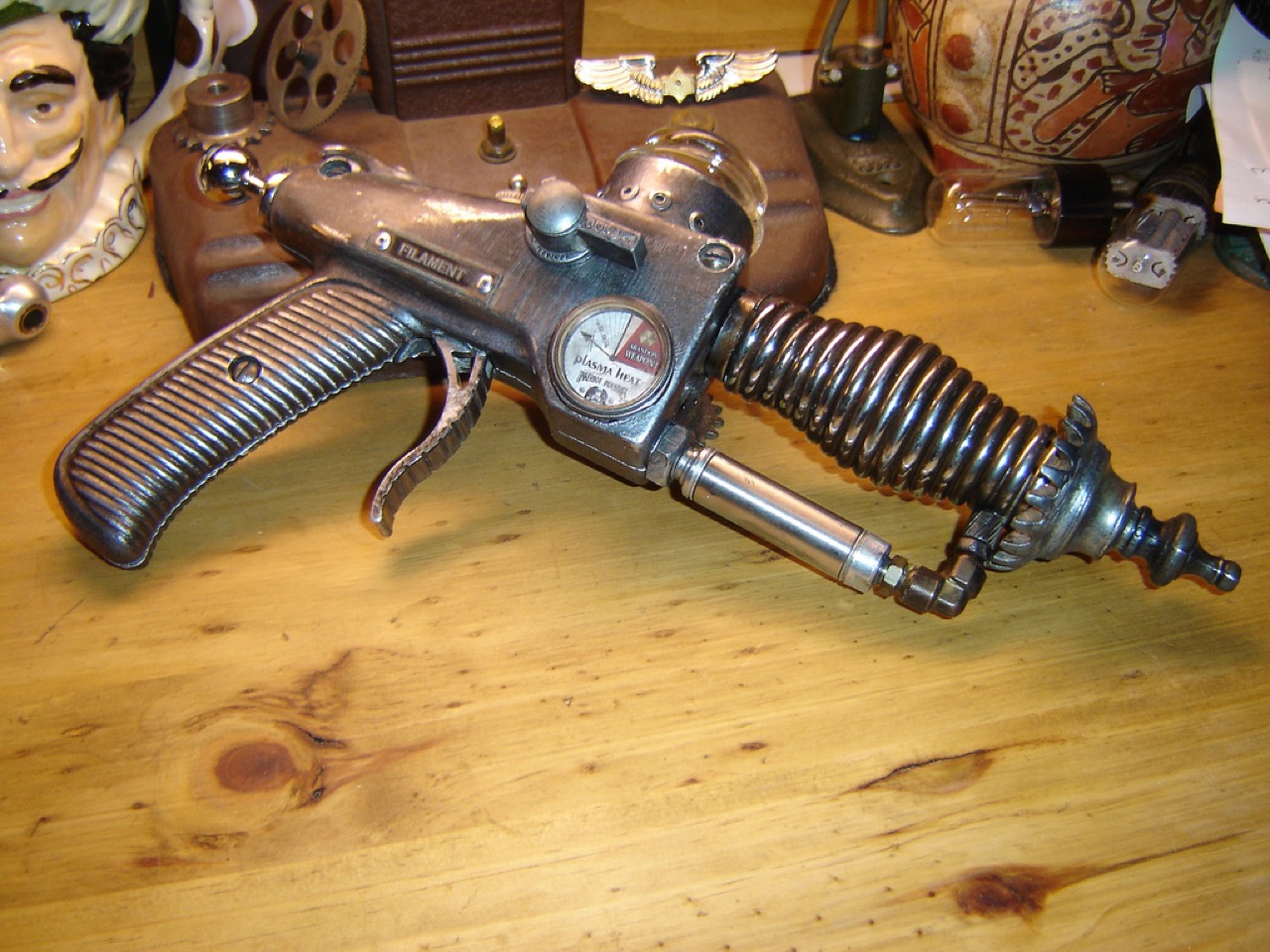
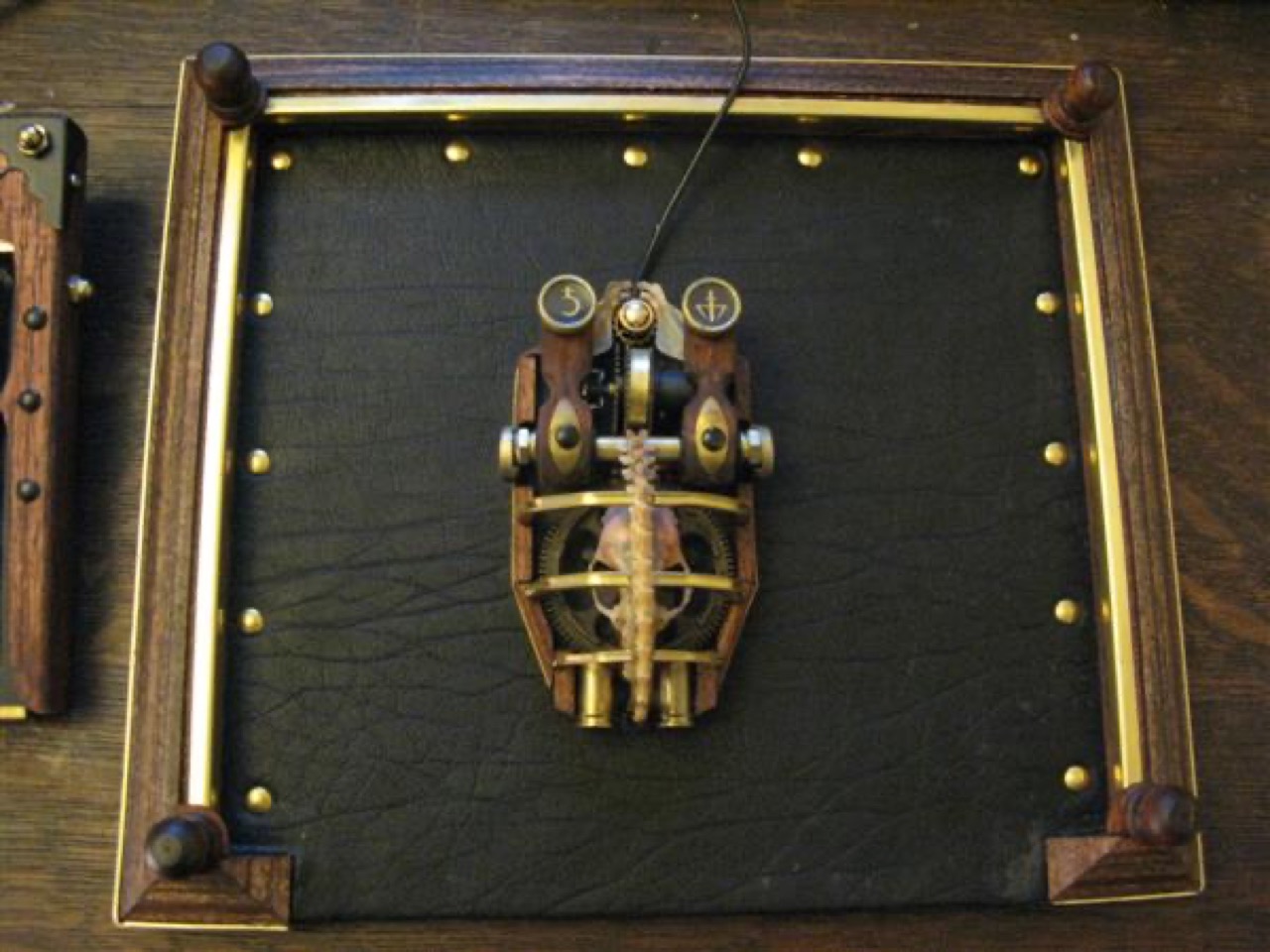
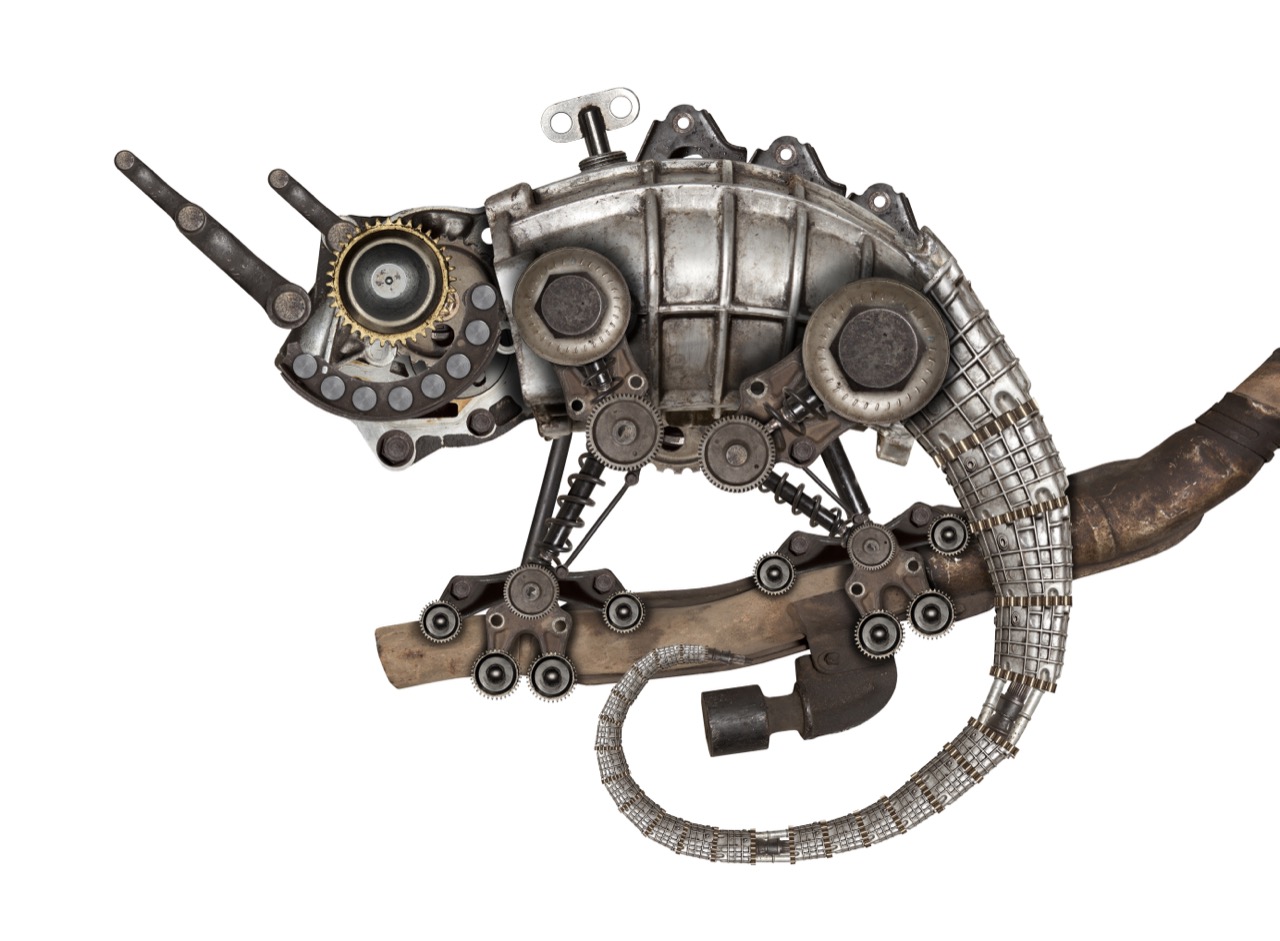
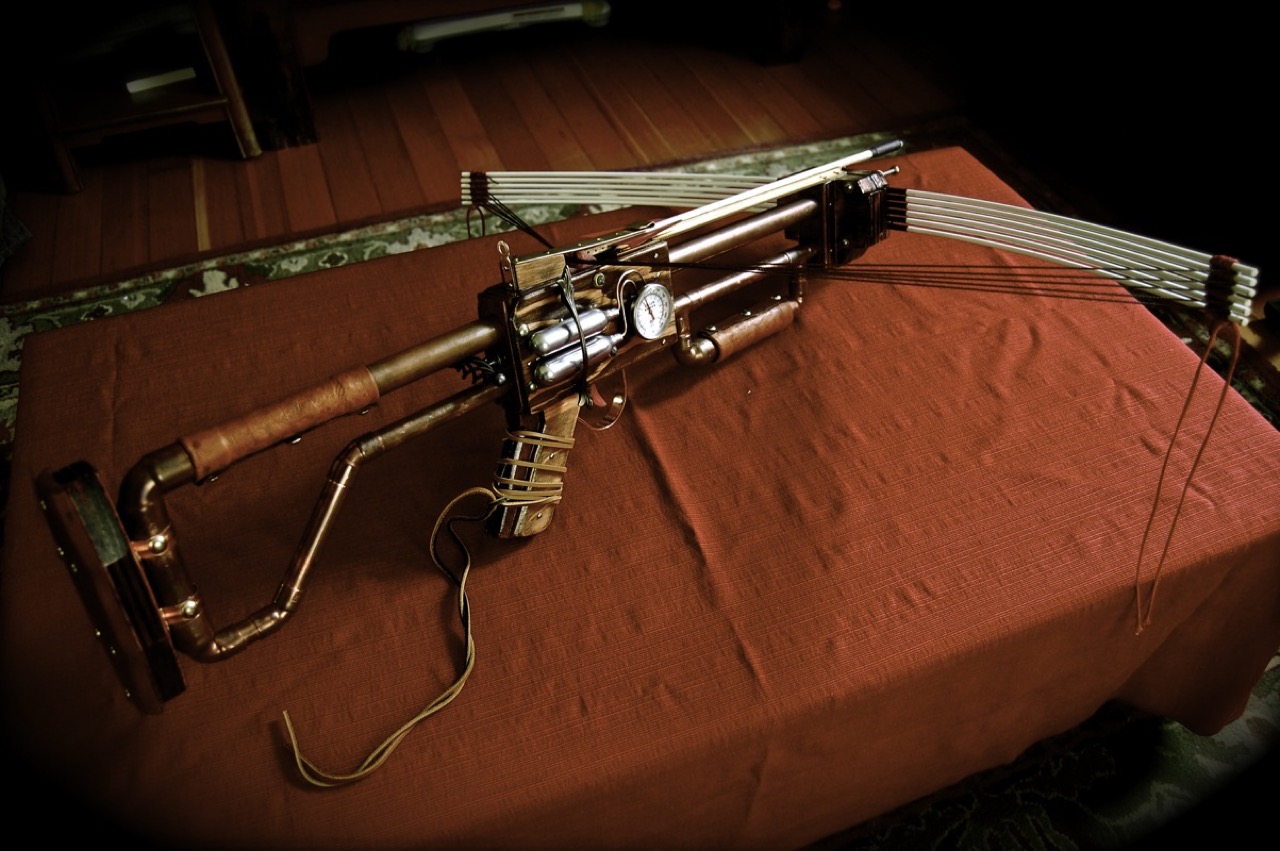
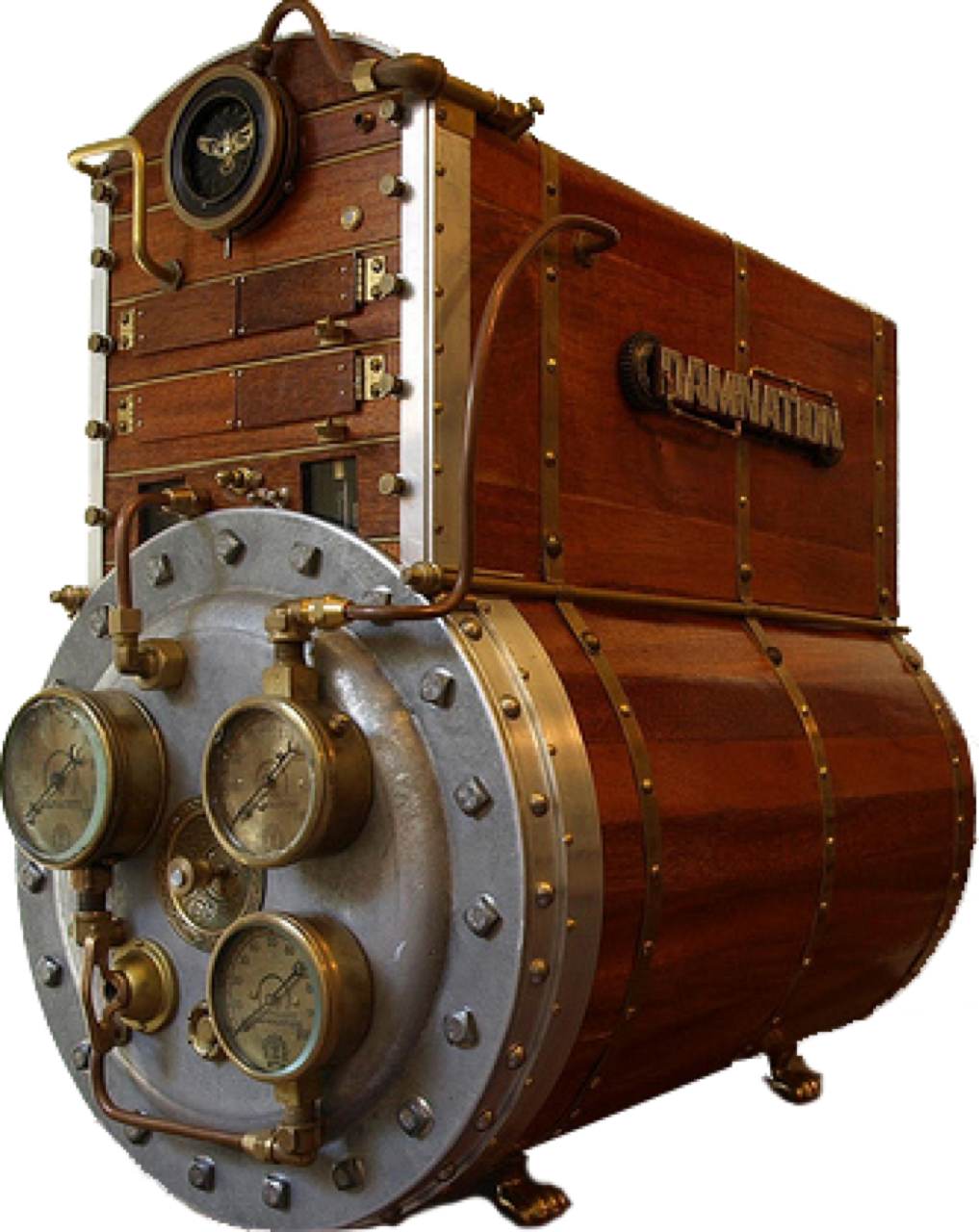
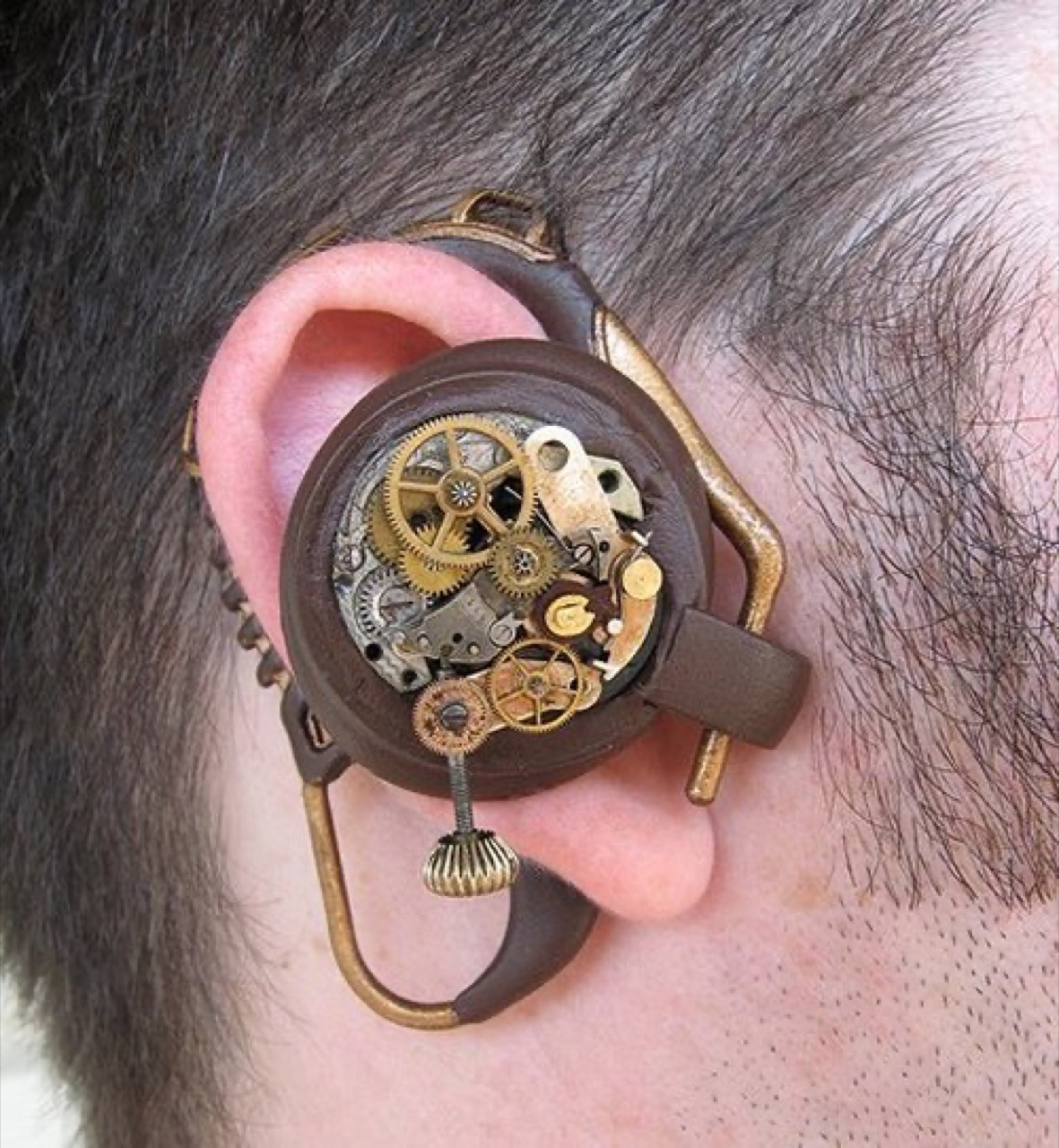
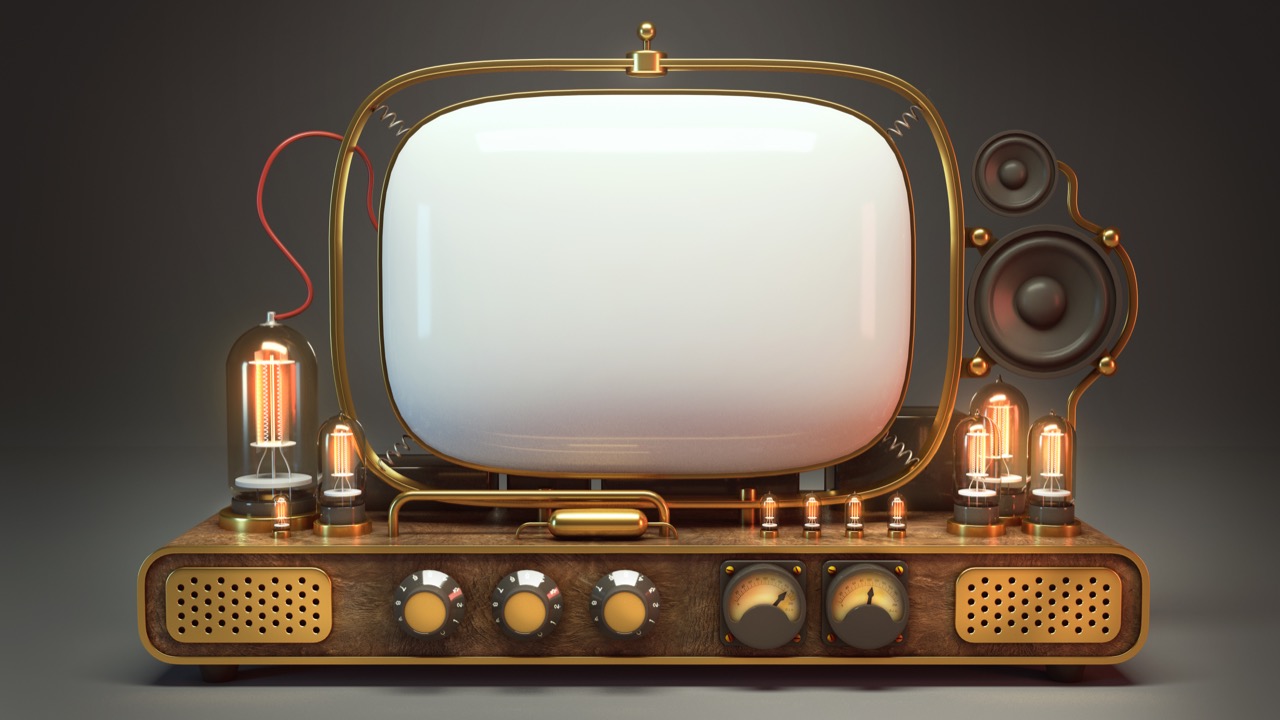
Then there are contraptions and vehicles. Steampunk celebrates the idea of practical fantasy: ray guns that light up, typewriters converted into keyboards, and bicycles transformed into rolling sculptures. Large-scale builds raise the stakes. A full-size “airship” may be a parade float or an art car, while smaller teams focus on automata, clockwork displays, and kinetic sculptures that move with cams, gears, and carefully balanced linkages. Even when modern power sources are used for safety and reliability, the goal is to preserve the illusion of steam era engineering. In this corner of the scene, extremes are measured in weight, wingspan, number of moving parts, and the sheer audacity of making something that looks impossible actually function.
Steampunk gatherings provide another kind of superlative: the biggest crowds, the longest-running events, and the farthest-traveled attendees. Around the world, conventions and festivals draw thousands of participants for parades, maker fairs, music, and costuming. These events become laboratories for innovation, because seeing someone else’s build up close teaches more than any tutorial. Communities often track their own milestones: how many people joined a group photo, how many performers played in a single evening, how many vendors sold handmade gear. Even without formal certification, these numbers matter because they show how far the culture has expanded.
What counts as a steampunk record depends on the claim. If it is about “largest” or “most,” it needs a clear definition: largest by height, by weight, by surface area, or by number of components. If it is about craftsmanship, the community tends to value process documentation: progress photos, patterns, build logs, and material lists. The most respected feats are transparent about how they were made, because steampunk is as much about sharing techniques as showing off results.
The appeal of steampunk extremes is that they make creativity tangible. A genre that began on the page becomes a set of measurable, wearable, drivable achievements. Whether someone is chasing a formal record or simply building the most elaborate gadget their skills allow, the spirit is the same: take a whimsical idea, add discipline and engineering, and push it until it becomes unforgettable.