Counting Cogs Steampunk Numbers Challenge




Quiz Complete!
Counting Cogs: The Numbers Behind Steampunk’s Retro Future

Steampunk feels like pure imagination, but much of its charm comes from how convincingly it borrows from real measurements, dates, and prices. The genre’s signature look is built from Victorian era engineering facts, then remixed by modern makers who keep their own statistics on page counts, release years, and what it costs to dress like an airship mechanic for a weekend.
A good place to start counting is the 19th century itself, when industrial progress became a public spectacle. The Great Exhibition in London opened in 1851 inside the Crystal Palace, a building made from iron and glass that celebrated manufacturing on a scale many visitors had never seen. Steam power was no longer a hidden factory detail; it was something you could watch, hear, and smell. Railways expanded quickly after the first successful passenger lines of the 1830s, and by the late Victorian period, the world had been reshaped by timetables, standardized parts, and engineering drawings. Even the language of steampunk, full of gauges and rivets, echoes a time when precision measurement started to define modern life.
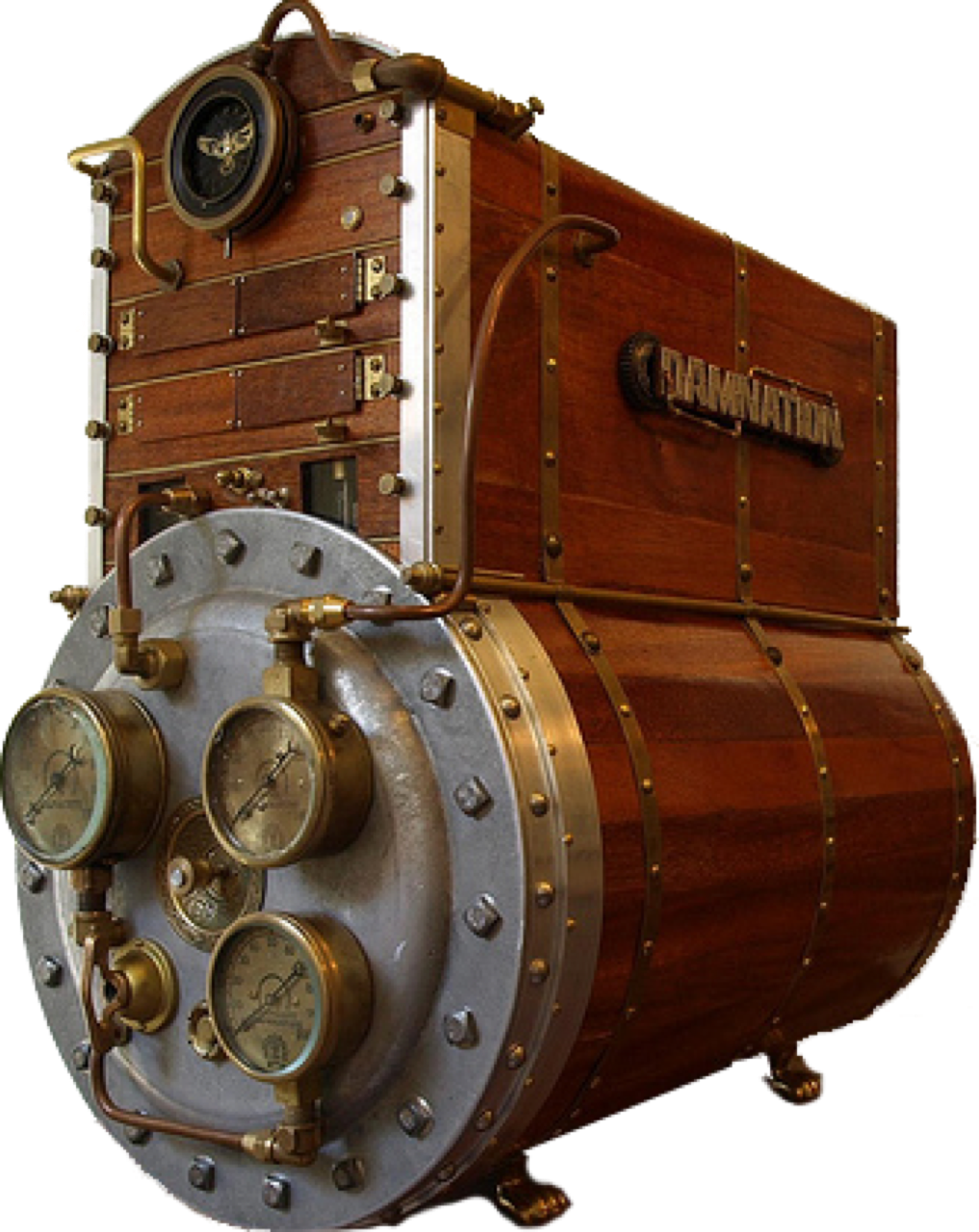
Some of the most iconic machines that inspire steampunk were enormous. The steam engines that powered mills, ships, and pumping stations could weigh many tons, and their output was often described in horsepower, a unit popularized in the late 18th century to make new technology legible to buyers. That urge to compare and quantify never went away. It is part of why steampunk props often include fake serial plates, pressure dials, and brass nameplates listing voltages or patent dates. The details suggest a world where everything has a specification sheet.
Steampunk’s paper trail includes literature that predates the label. Jules Verne’s major adventure novels appeared in the 1860s and 1870s, while H G Wells published landmark scientific romances in the 1890s. These works were not called steampunk at the time, but their publication years matter because they anchor the aesthetic in a real historical imagination of the future. The modern term “steampunk” arrived much later, in the late 20th century, and the movement grew through novels, comics, roleplaying games, and film. Knowing the dates of key releases is part of the fun, because it shows how a Victorian flavored style kept resurfacing as technology changed.
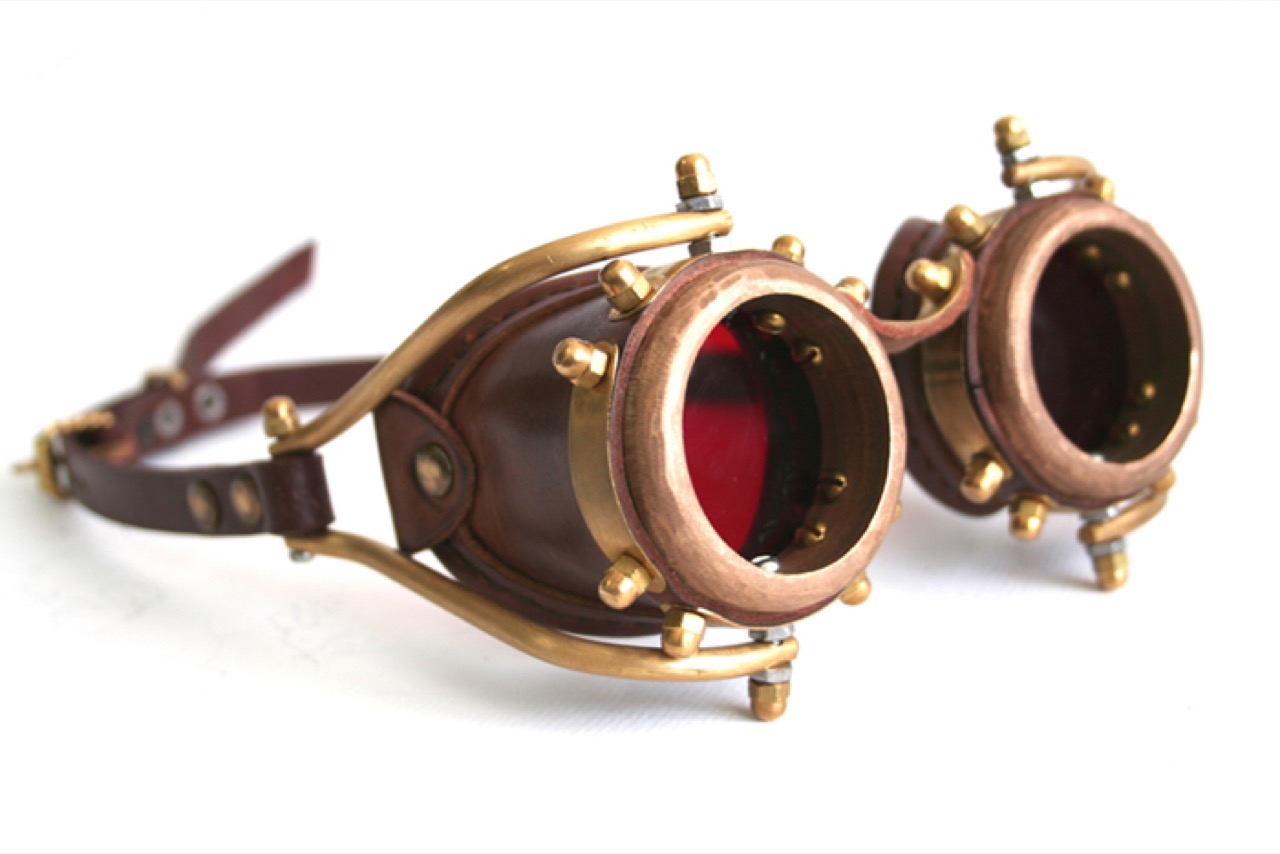
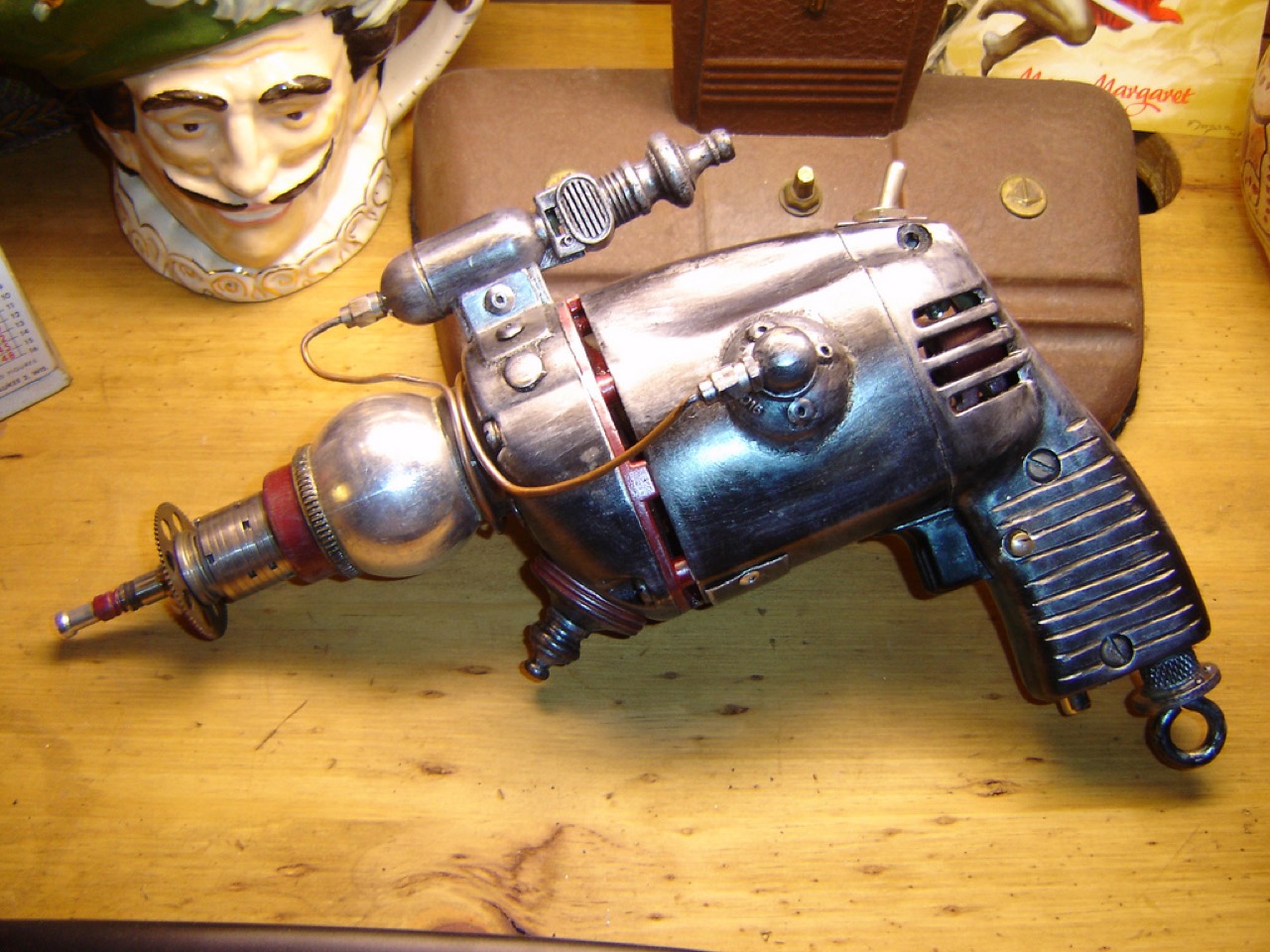
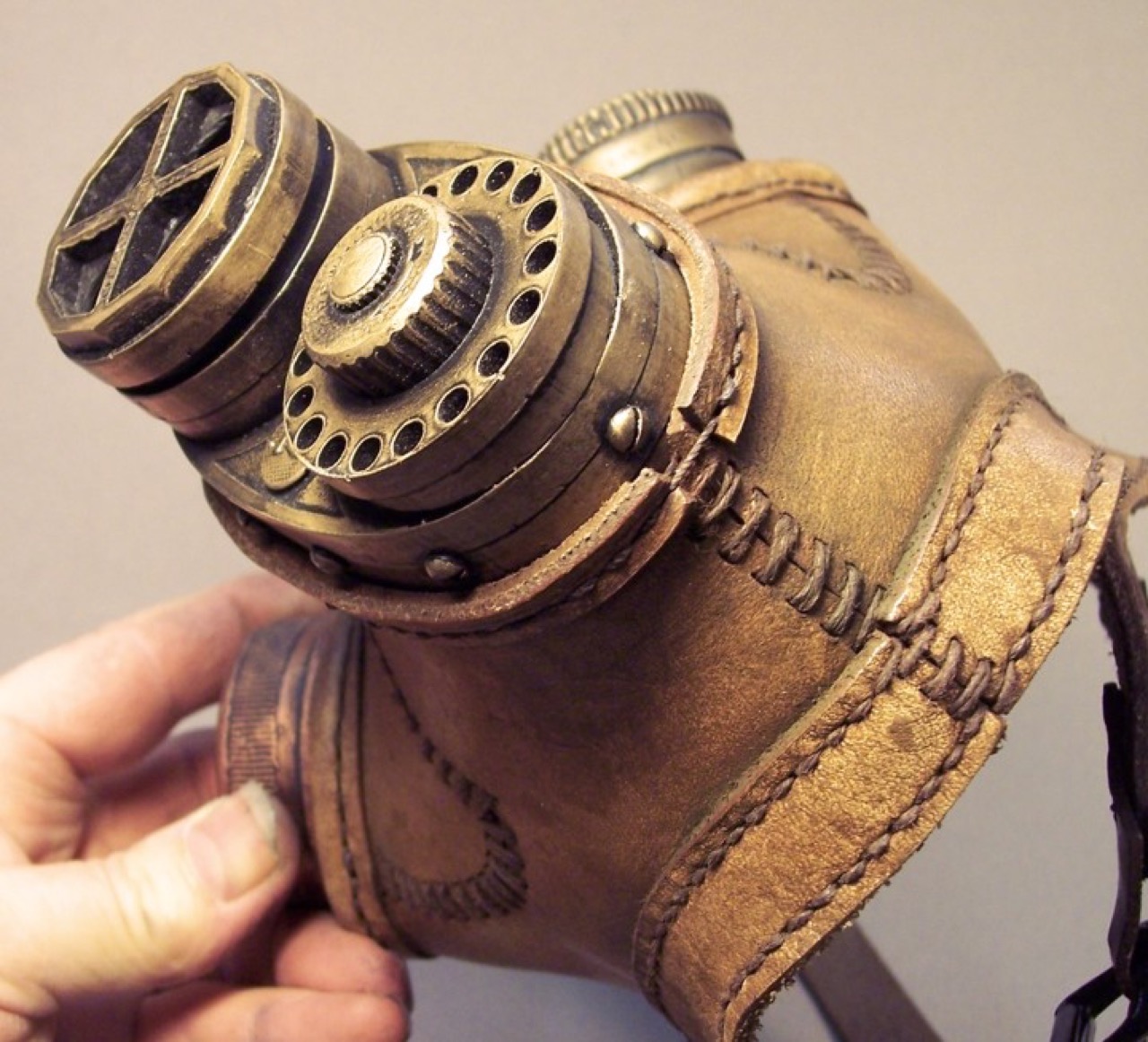
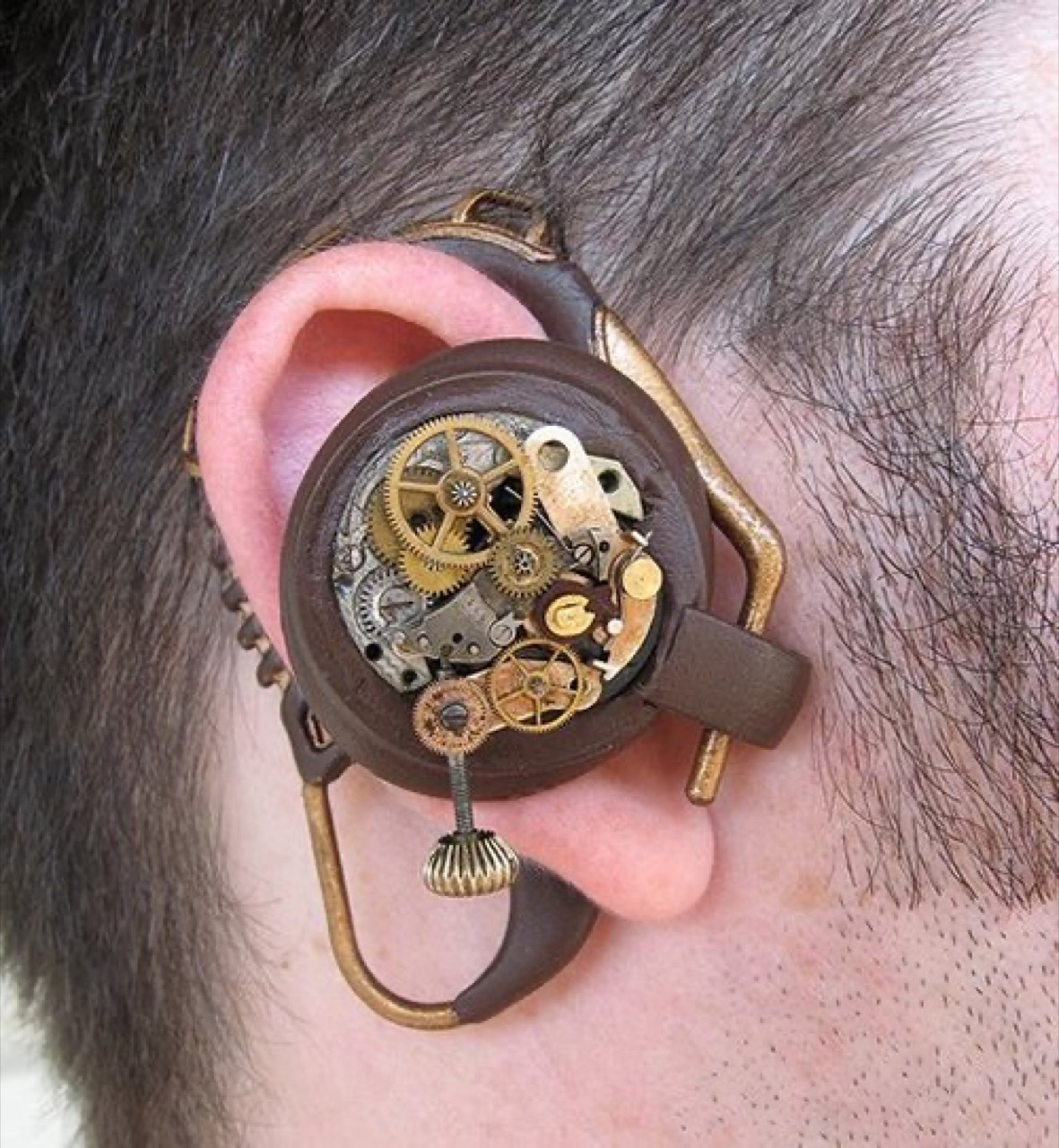
Numbers also shape the culture in practical ways. At conventions and maker fairs, cost is a measurable part of creativity. A basic pair of costume goggles might be found for a modest price, but heavily customized versions can climb quickly once you add real leather, tinted lenses, filigree, and hand cut gearwork. The same is true for props: a foam and paint ray gun is light and affordable, while a metal and wood build with working lights and machined parts can become a serious investment. Makers often track build hours as carefully as money, comparing how long it took to sew a coat, distress a hat, or wire a backpack full of faux instruments.
Even page counts and running times become part of steampunk’s scoreboard. Long novels invite readers to live inside alternate histories, while short stories and films rely on quick visual shorthand: corsetry, soot, brass, and the promise of a contraption that almost makes sense. When you pay attention to the numbers, steampunk becomes more than an aesthetic. It becomes a conversation between history and invention, where dates, dimensions, and prices act like gears in the same machine, turning fantasy into something that feels strangely documented and real.