Spot the Style Pop Art Types Quiz




Quiz Complete!
Spot the Style: A Tour of Pop Art Types and Techniques

Pop Art is often reduced to a few famous images, but it is better understood as a set of strategies for turning the language of mass culture into fine art. What unites the different types of Pop is not a single look, but a shared fascination with the everyday spectacle of modern life: advertising, comics, movie stills, product packaging, and the constant repetition of images. Pop artists asked a provocative question: if these pictures shape our desires and memories, why should they be excluded from serious art?
One major split inside Pop Art is between hand-made imitation and truly mechanical production. Some artists painted with painstaking care to resemble commercial printing, using hard edges, flat color, and clean outlines. This deadpan finish could feel impersonal on purpose, as if the artist were trying to disappear behind the look of a billboard or magazine page. Others embraced industrial methods directly, especially screenprinting, which allowed images to be transferred quickly, repeated easily, and altered through color shifts or misregistration. Those “printing errors” could become part of the meaning, hinting at how mass media both standardizes and distorts what we see.
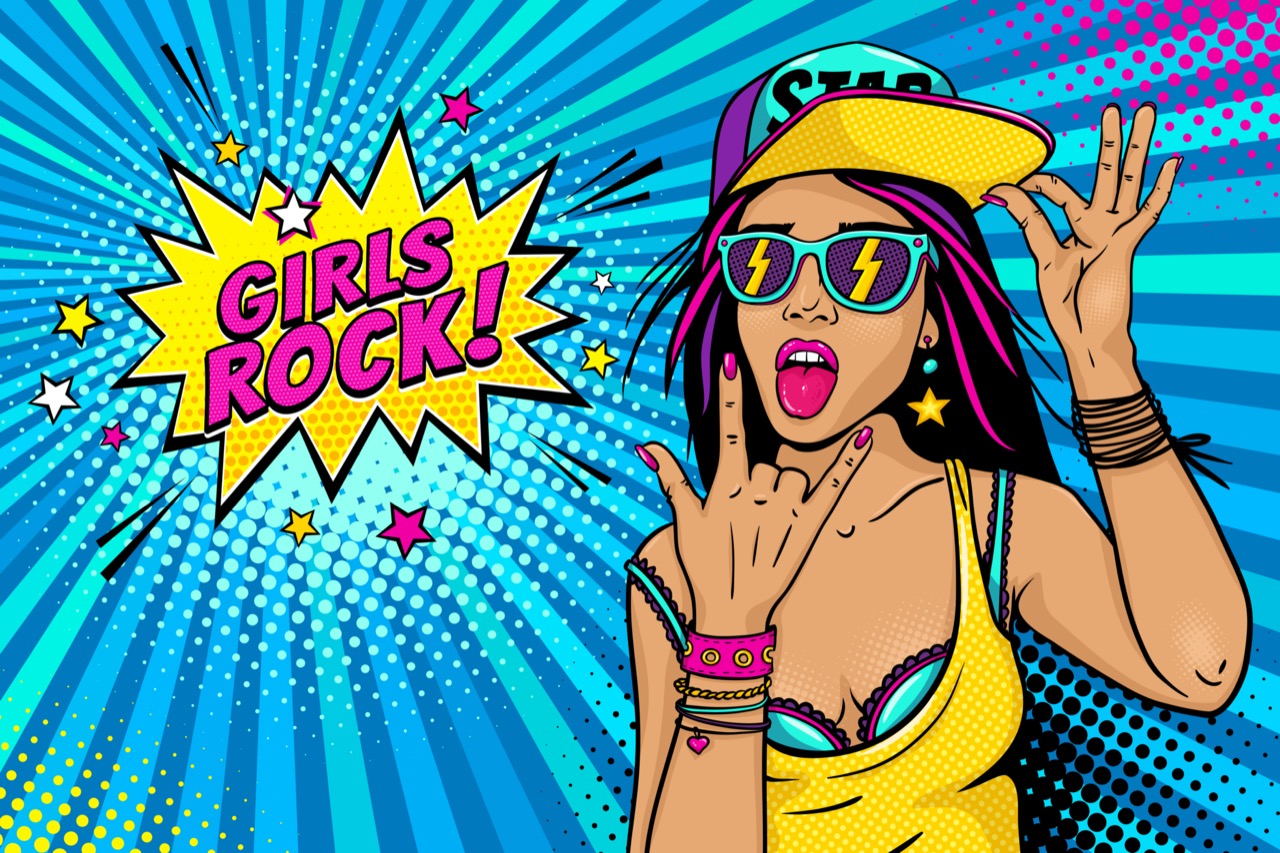
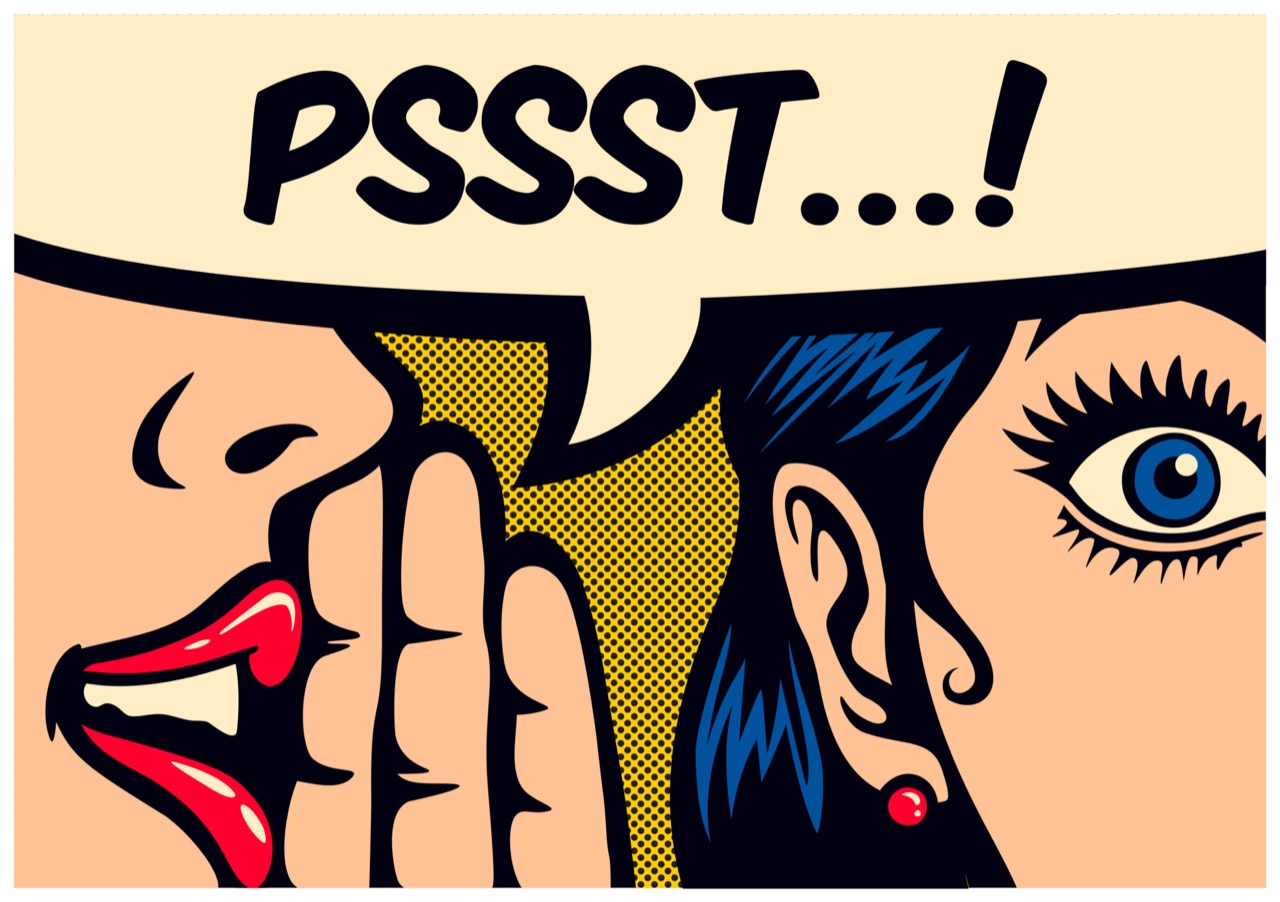
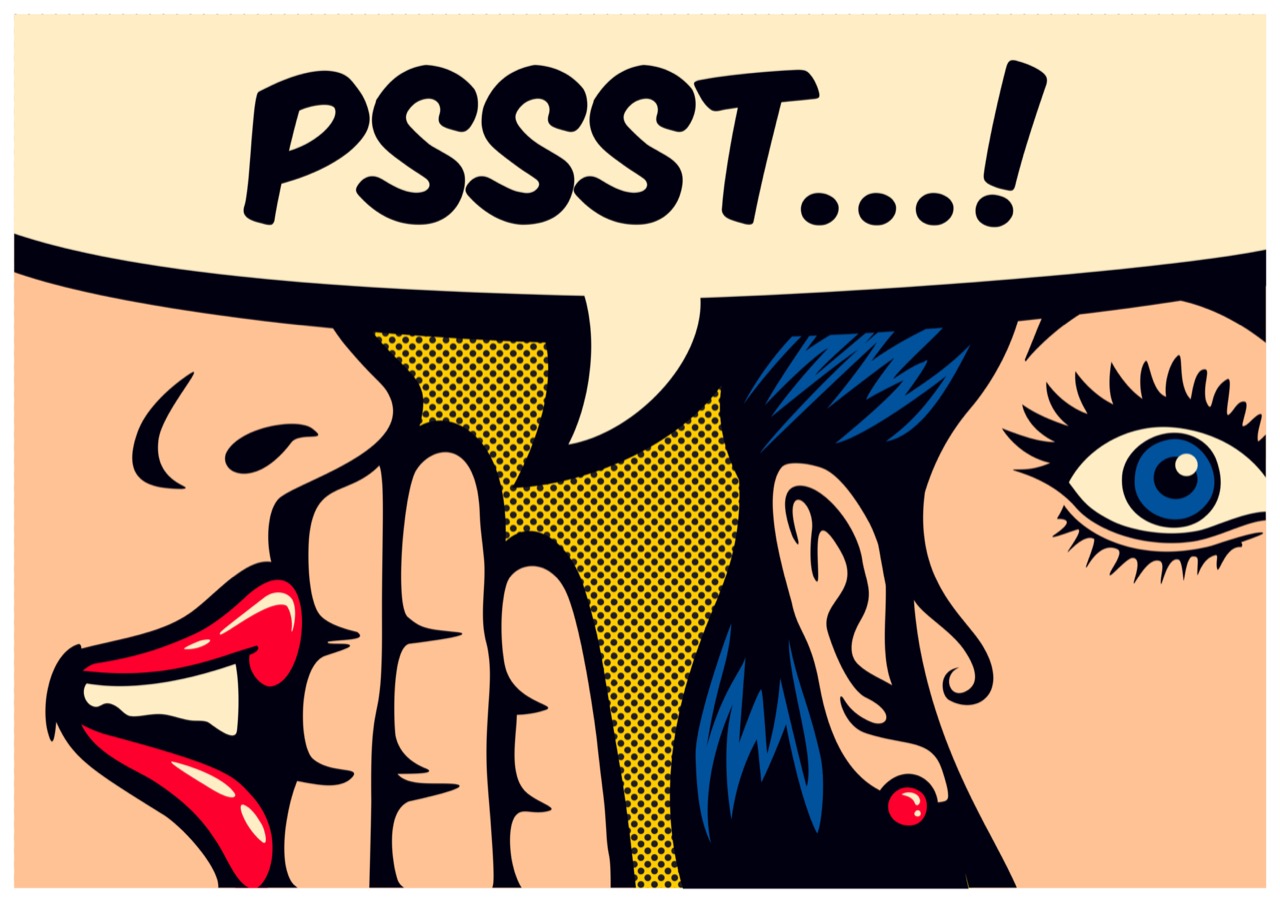
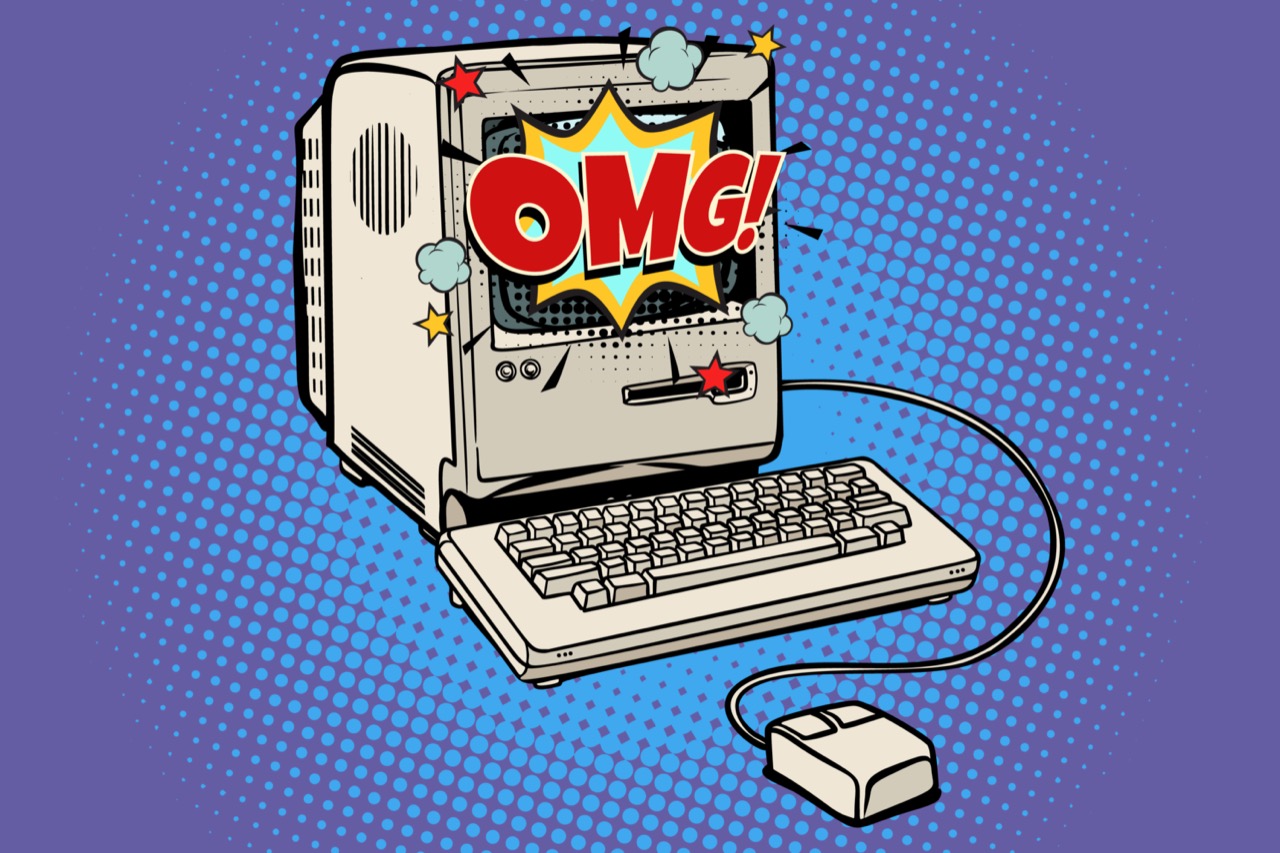
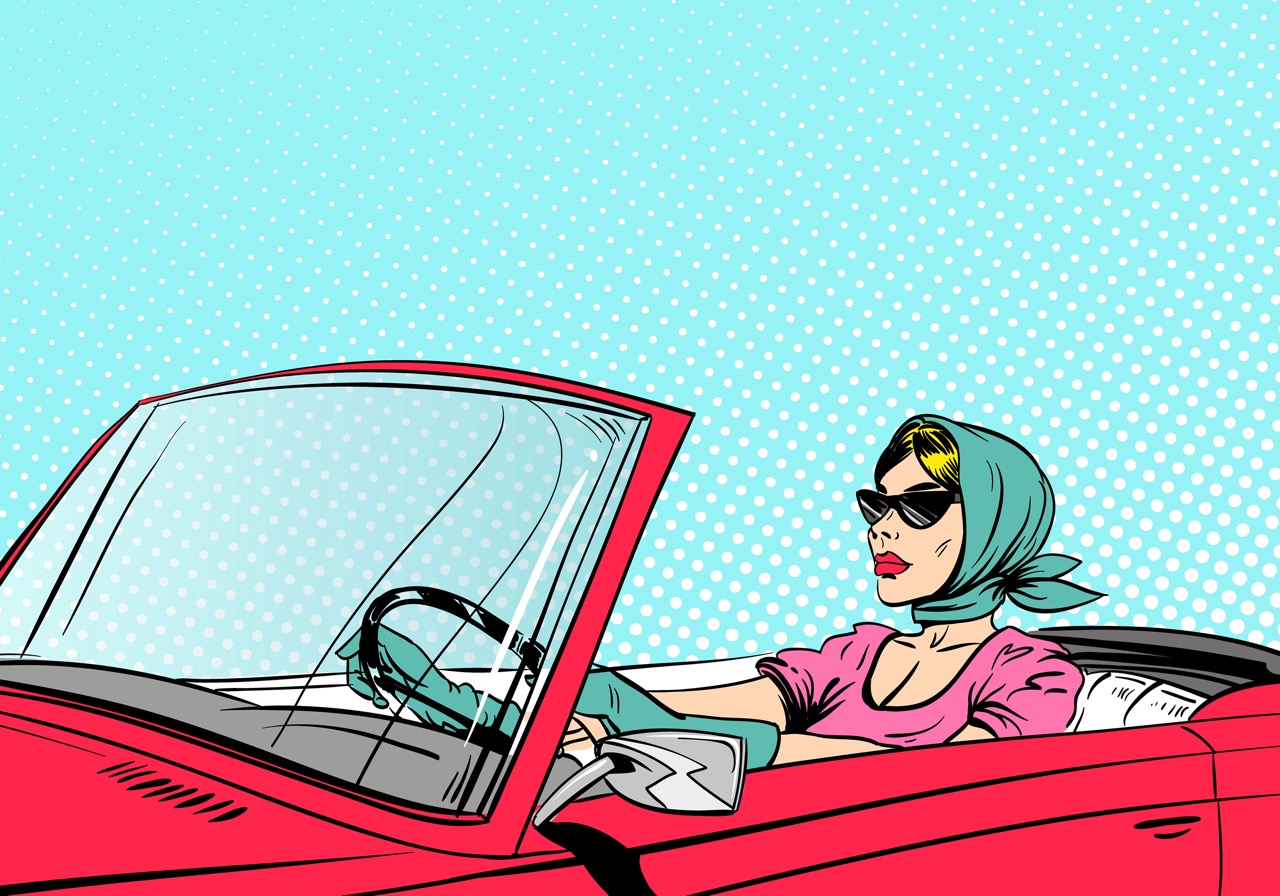
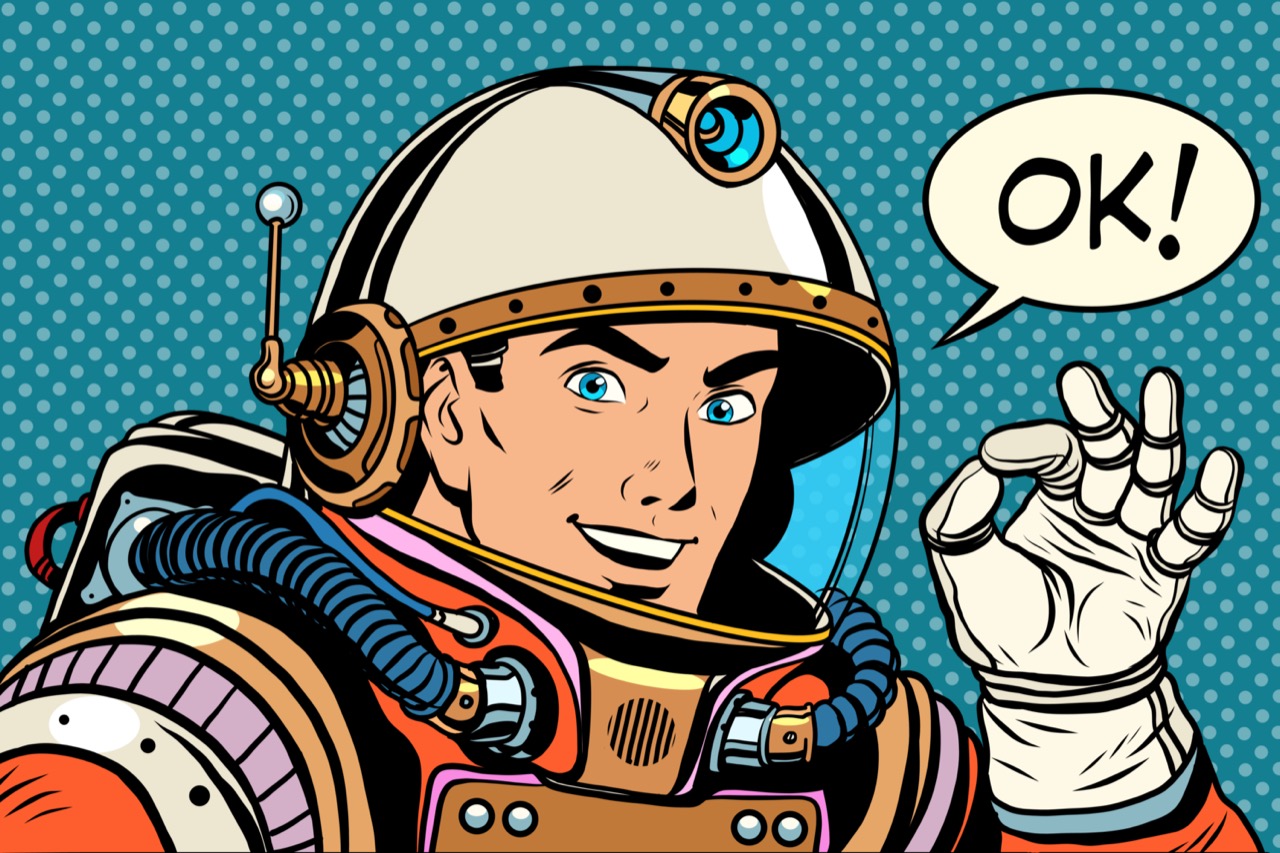
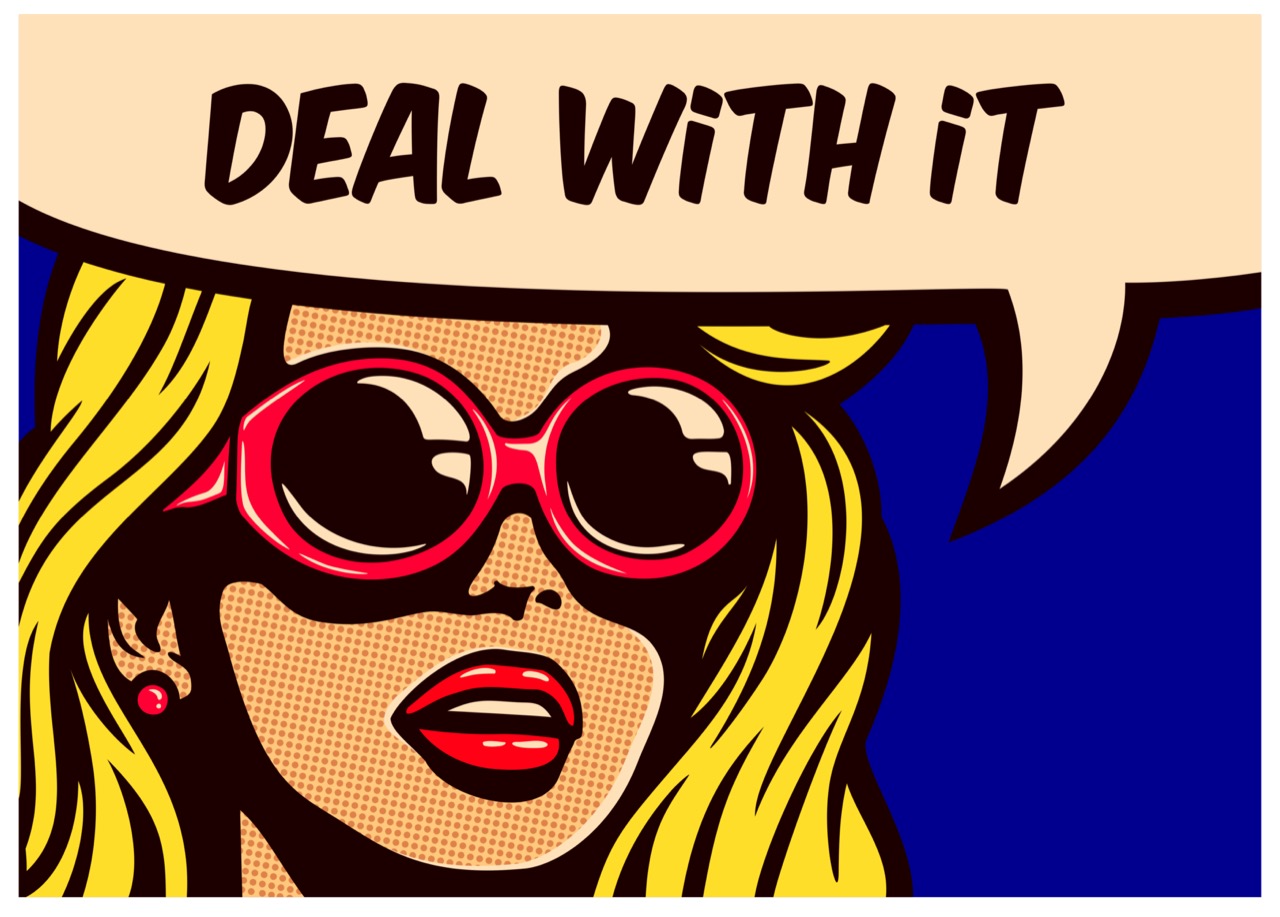
Comic-strip Pop is one of the most instantly recognizable types. It borrows the visual grammar of mid-century comics: speech bubbles, melodramatic close-ups, thick outlines, and Ben-Day dots, the tiny pattern used in cheap printing to create shading. When blown up to gallery scale, these techniques become both nostalgic and strange. The scenes often freeze a moment of high emotion, but the exaggeration can feel ironic, as if the art is both enjoying and questioning the sincerity of the drama.
Photo-based Pop tends to feel cooler, more detached. Instead of drawing a comic scene, the artist might start with a press photo, a publicity still, or a snapshot of a consumer object. The image can be cropped like a magazine layout, enlarged until it becomes grainy, or repeated until it loses its original context. Repetition is not just a visual trick; it reflects how mass media works. Seeing the same face or product again and again can make it iconic, but it can also make it numb, like a jingle you cannot stop hearing.
Another important variety is object and packaging Pop, where the artwork imitates or incorporates real consumer goods. Some artists reproduced labels, logos, and product shapes so faithfully that viewers had to double-check whether they were looking at art or merchandise. Others built sculptures that resemble oversized store items, playing with scale to expose how branding can dominate attention. These works can be funny, but they also carry a sharp awareness of how desire is manufactured.
Pop Art also has distinct national flavors. British Pop in the 1950s and early 1960s emerged from a postwar culture newly flooded with American movies, glossy ads, and household appliances. It often feels analytical, like a witty collage of modern life. American Pop, arriving slightly later, can look bolder and more confident, mirroring the sheer volume of U.S. consumer culture and the visual aggression of billboards, supermarkets, and television.
Pop overlaps with nearby movements that share its interest in the real world. Nouveau Réalisme in France used actual urban materials and found objects, sometimes presenting ripped posters or accumulated debris as a portrait of contemporary life. Neo-Pop later revisited Pop’s bright surfaces in an era of global branding and celebrity saturation, often with a more self-aware, high-gloss finish. Across all these types, Pop’s core pleasure remains the same: it makes familiar images feel newly strange, and it makes “low” culture a serious place to look for meaning.