Tallying Brass and Steam Facts Quiz



Quiz Complete!
Rivets, Ratios, and Reality: The Numbers Behind Steampunk
Steampunk feels like fantasy, but its most convincing moments are often built from hard numbers. The genre borrows the texture of the Industrial Revolution and the Victorian age, when engineering was advancing quickly and measurement mattered. If you picture an airship looming over a soot-stained skyline or an inventor fine-tuning a clockwork automaton, you are already in a world where mass, pressure, speed, and cost decide what can actually happen.
Steam power is the heart of many steampunk settings, and it is also a master class in limits. Early steam engines were heavy and hungry, and their usefulness depended on how efficiently they turned heat into motion. Coal was the dominant fuel in Britain and much of Europe because it packed a lot of energy for its price and could be moved by canal and rail. But coal is not magic. A boiler must contain high-pressure steam safely, and that depends on materials and workmanship. In the nineteenth century, boiler failures were common enough to drive the growth of inspection regimes and better metallurgy. Higher pressure could mean more power from a smaller engine, but it also meant greater risk if rivets, plates, or valves were poorly made.
Railways brought their own set of measurable realities. Track gauge, wheel diameter, gradient, and braking distance all shaped what trains could do. Early passenger trains did not travel at the speeds modern readers might assume, yet they were revolutionary because they were reliable and regular. Timetables turned distance into predictable time, which changed commerce and daily life. Even in fiction, a believable clockwork city needs logistics: how much fuel arrives per day, how many tons of goods a line can carry, and how long it takes to move troops or mail. Steampunk thrives when it remembers that a spectacular machine still has to be fed, maintained, and scheduled.
Electricity adds another layer of realism. The Victorian era saw rapid progress from experimental demonstrations to practical systems. Telegraphy made information travel faster than any vehicle, and that single fact reshaped finance, journalism, and warfare. Later, electric lighting and motors competed with gaslight and steam-driven line shafts in factories. A common steampunk twist is to imagine electrical technology arriving earlier or spreading faster, but even then, generators need prime movers, wires need copper, and batteries have limited capacity. The drama of the era often sits in the tradeoffs: centralized power versus local engines, brilliant illumination versus heat and fire risk, and convenience versus infrastructure cost.
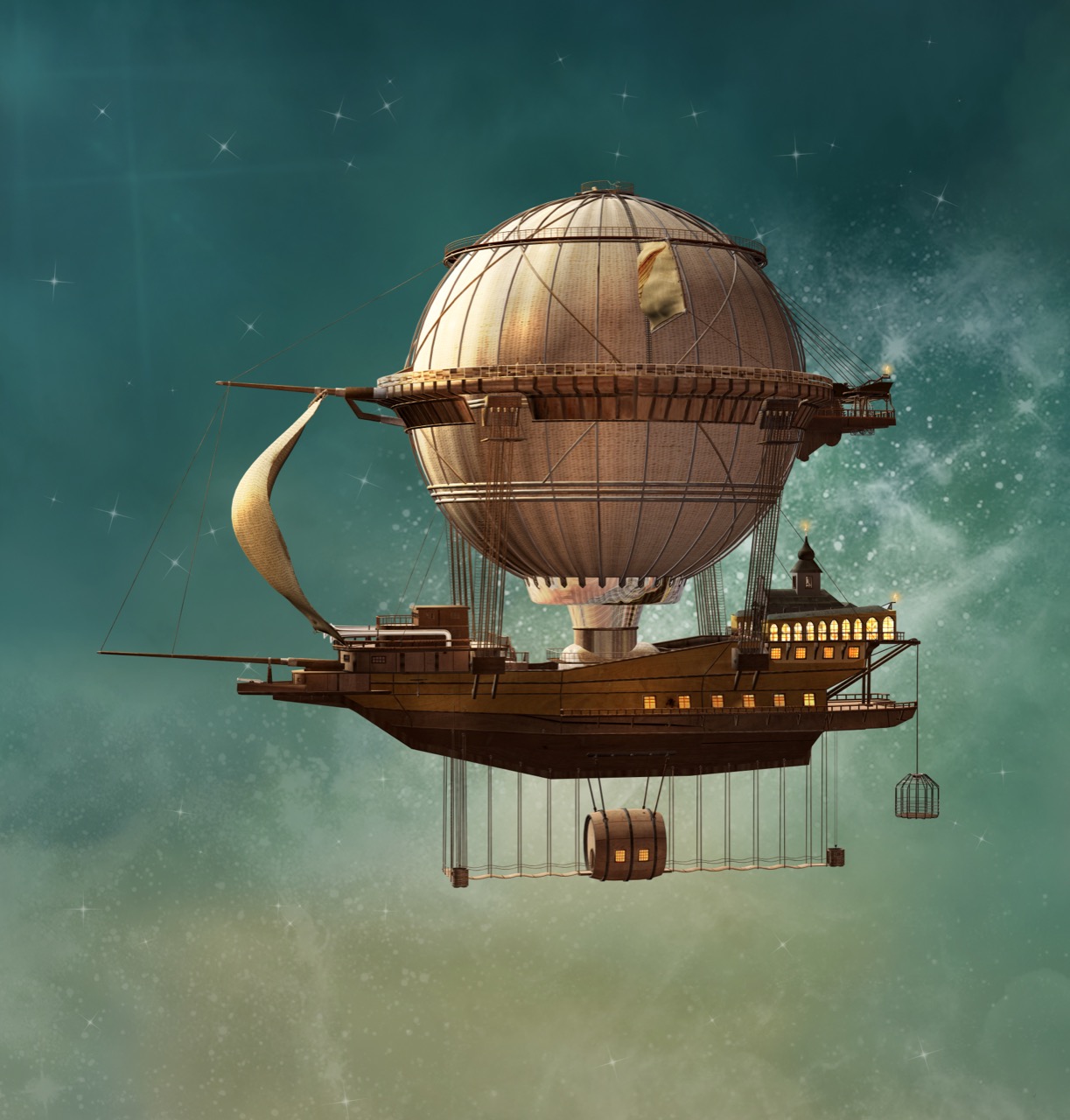
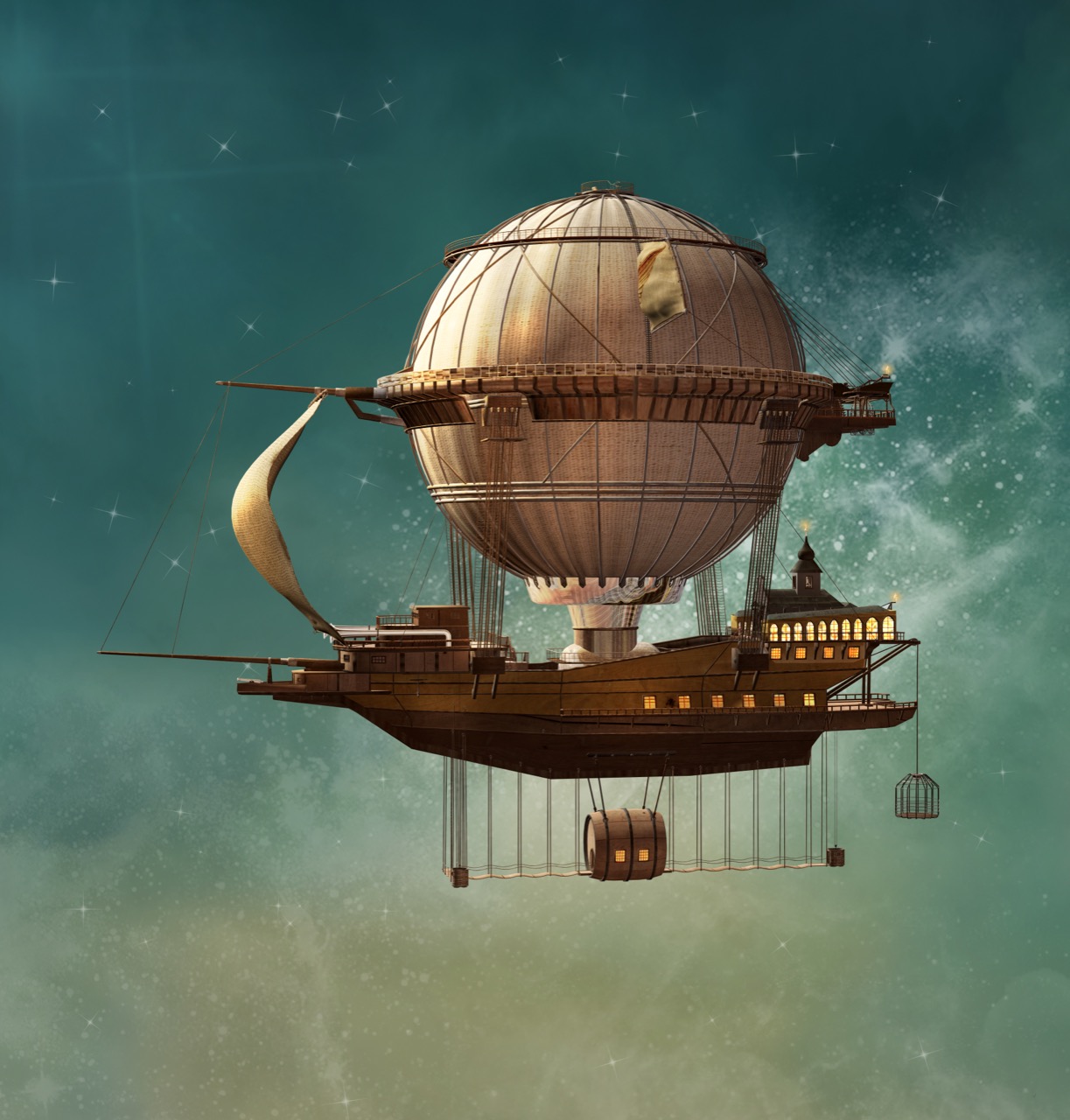
Airships and automatons, two steampunk favorites, are also governed by numbers. Lighter-than-air craft depend on buoyancy, which is determined by the difference between the density of the lifting gas and the surrounding air. That means weather, temperature, and altitude matter, and payload is always a fight against gravity. Automatons raise questions of power supply, torque, and control. Springs store limited energy, pneumatic systems need compressed air, and steam-driven mechanisms require a boiler, water, and time to warm up. The more humanlike the machine, the more complex the gearing and the more demanding the maintenance.
Even the publishing side of steampunk has its own figures: the rise of retrofuturistic aesthetics in the late twentieth century, the growth of conventions and small presses, and the way anthologies and shared-world projects helped define the genre. Behind the brass and velvet is a tradition of readers who enjoy research, and writers who use real milestones, patents, and engineering constraints as storytelling tools.
Treating steampunk like a ledger does not drain it of romance. It does the opposite. When a story respects distances, pressures, and production limits, every daring escape feels earned. The soot under the fingernails is not just decoration; it is proof that the world runs on fuel, friction, and carefully counted possibilities.