Corgi Real Life Smarts Check









Quiz Complete!
Corgi Real Life Smarts: What It Takes to Help a Big Personality Thrive

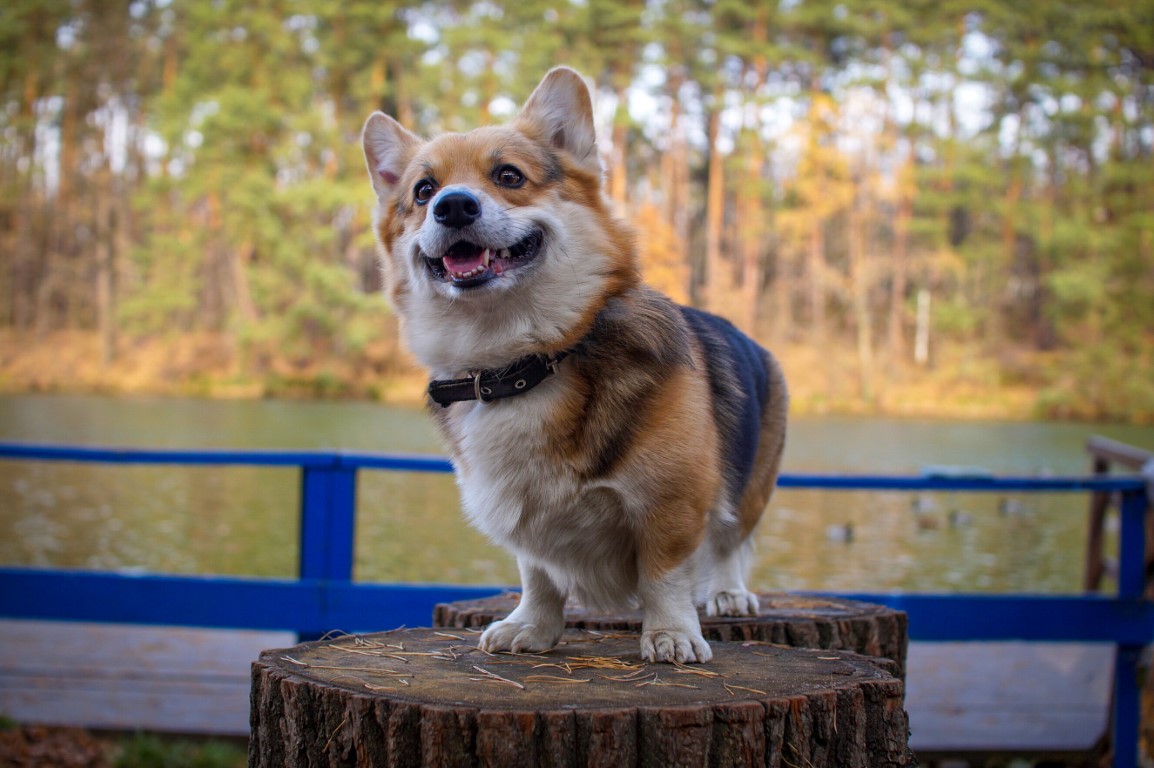
Corgis look like they were designed to make people smile: short legs, a sturdy body, and an expression that seems permanently curious. But the everyday reality of living with one is less about cute photos and more about understanding what that body and that brain were built to do. Most corgis were developed as herding dogs, and that history shows up in modern homes in surprisingly practical ways.
That long back and low frame are not just a style. It is a working shape that helped them dodge kicks from livestock while staying quick and agile. In a living room, the same build means you should think about back safety. Repeated jumping on and off tall furniture or racing up and down steep stairs can add strain over time. Many owners use ramps or steps for couches and beds, keep nails trimmed for traction, and manage weight carefully. Extra pounds matter more on a low, long dog because the spine and joints are doing more work with every step.
Their herding instinct can be charming until it is not. A corgi may try to control movement by circling, staring, barking, or even nipping at heels, especially with running children, visiting friends, or other pets. This is not spite; it is a job instinct looking for an outlet. Training that rewards calm behavior, teaches a reliable recall, and offers alternatives like going to a mat can prevent problems before they become habits. It also helps to provide structured activities that use their brains, such as puzzle feeders, scent games, trick training, and short sessions of obedience work.
Exercise needs are often misunderstood. Corgis are not fragile lap dogs, but they are not endless endurance athletes either. Most do best with consistent daily walks, chances to sniff and explore, and bursts of play rather than a single intense workout. Because they are smart and easily bored, mental exercise can be as tiring as physical activity. A corgi that seems hyper in an apartment is often under-stimulated, not under-loved.
Grooming is another reality check. Corgis have a double coat that sheds heavily, sometimes in dramatic seasonal waves. Regular brushing reduces loose hair, helps keep skin healthy, and makes your vacuum work less heroic. Bathing can be occasional, but paying attention to ears, teeth, and nails is part of the routine. Many corgis are food-motivated, which is useful for training but can lead to begging and weight gain if treats are not measured. Using part of their daily kibble as training rewards is a simple trick that keeps calories under control.
Safety comes up in small moments: a corgi that bolts after a squirrel, tries to herd bicycles, or barks at every hallway sound. Early leash training and impulse control games can turn walks from a tug-of-war into a shared activity. Socialization matters too, not as forcing friendliness, but as calmly exposing them to people, dogs, noises, and places so they learn to cope.
The payoff is a companion that is funny, loyal, and tuned in to household life. When you meet a well-managed corgi, you are seeing the result of practical choices: steady training, thoughtful exercise, grooming habits, and an appreciation for the working dog hiding inside that adorable shape.