Sacred Sloths Myth, Meaning, and Modern Icons

Quiz Complete!
Sacred Sloths: How a Slow Mammal Became a Fast-Moving Symbol
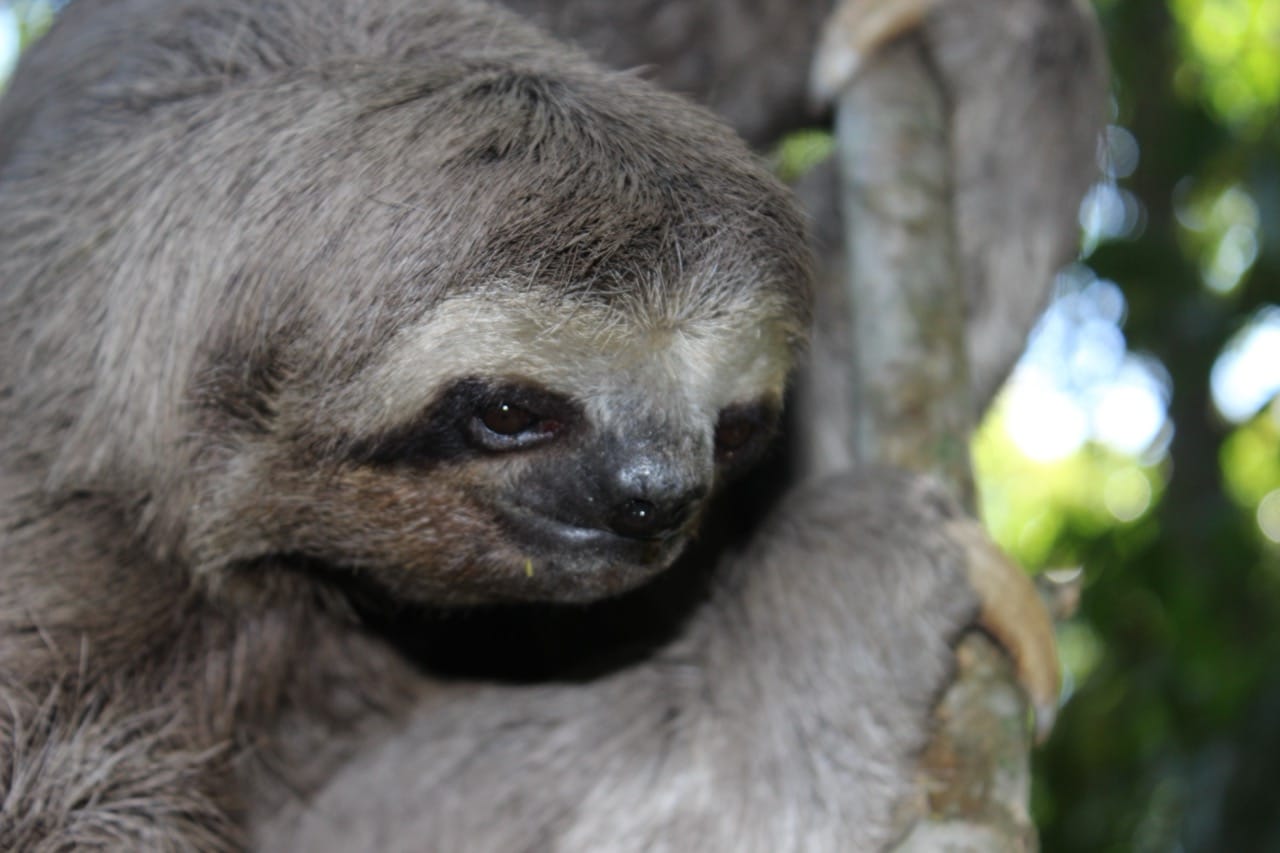
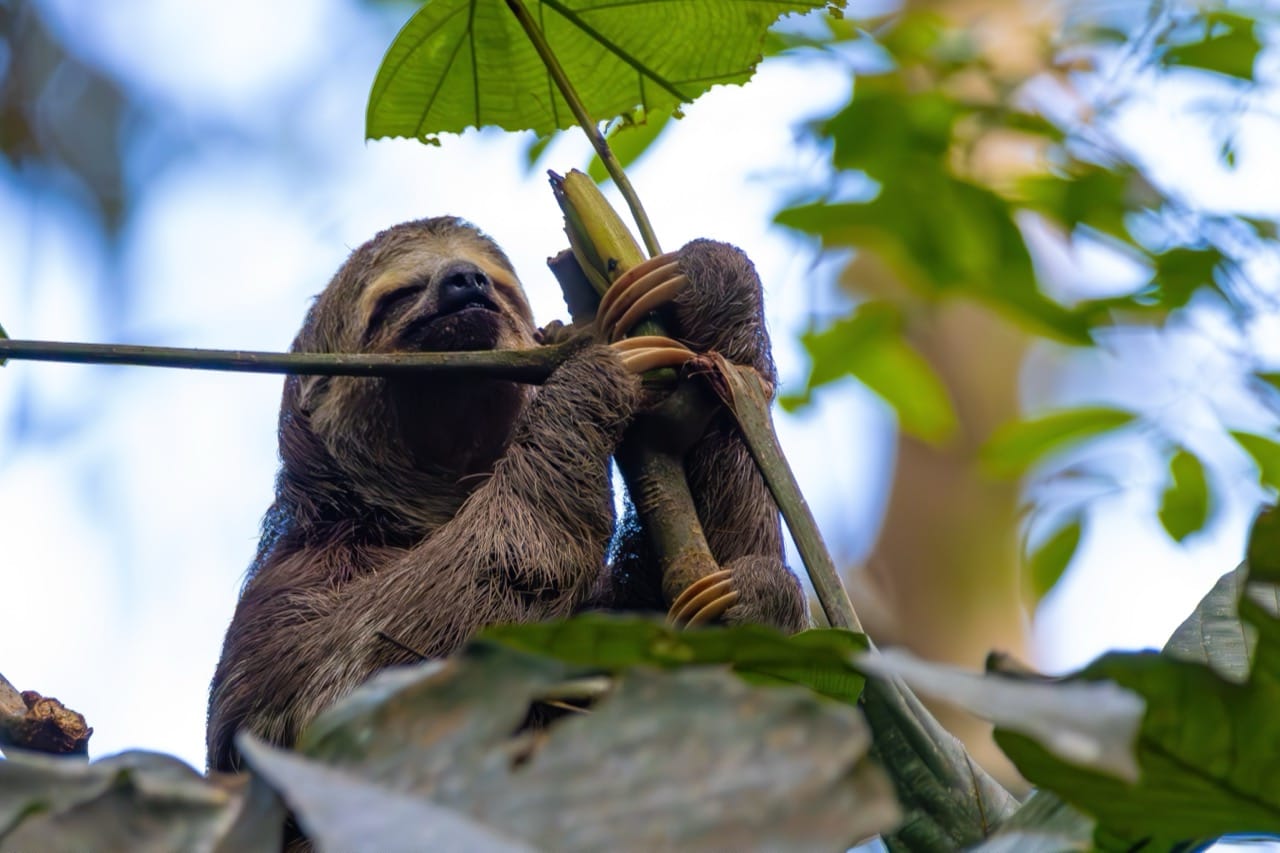
Sloths look like they belong to a world where nothing is urgent, yet their cultural footprint is surprisingly busy. Part of the fascination comes from a linguistic accident: “sloth” is both an animal and a moral warning. In Christian tradition, sloth is one of the seven deadly sins, but the original idea was less about napping and more about a kind of spiritual apathy, a refusal to care for what is good or necessary. Medieval writers used the word to describe neglect of duty, not simply moving slowly. Over time, popular imagination turned the vice into a personality type: lazy, unmotivated, and couch-bound. When the animal entered European awareness through exploration of the Americas, its unhurried movements made it an easy visual match for the already-famous sin, even though the creature’s pace is an adaptation, not a character flaw.
In art and iconography, the deadly sins were often personified to teach moral lessons. Sloth might appear as a figure yawning, sleeping, or avoiding work, sometimes contrasted with diligence. The animal itself was not a standard medieval European symbol because it was not part of local fauna, but once natural histories and illustrated travel accounts circulated, the sloth’s image could be recruited to reinforce an existing moral category. This is a good example of how symbols can grow by borrowing: a word becomes an idea, and later an animal is used to embody that idea.
Indigenous American perspectives add a different layer. In parts of Mesoamerica, animals were often understood through relationships with time, the forest, and spiritual forces rather than through moral labels like “lazy.” While beliefs vary widely across cultures and regions, sloths could be treated as meaningful forest beings whose behavior and habitat linked them to the rhythms of the canopy. Their quiet presence and arboreal life can be read as signs of endurance and belonging, not failure. This contrast is useful: the same animal that Europeans associated with a vice can elsewhere be interpreted as a creature of balance, patience, or deep connection to the living world.
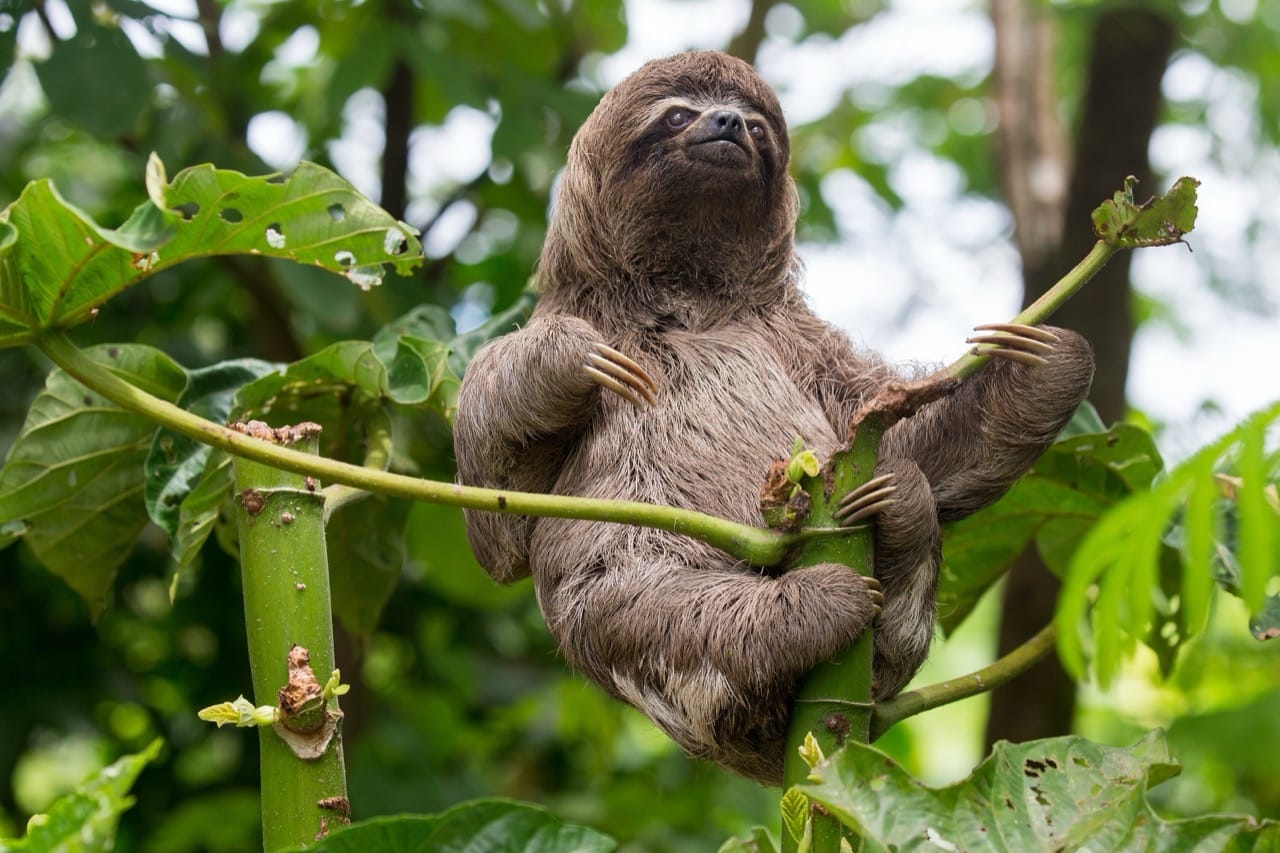
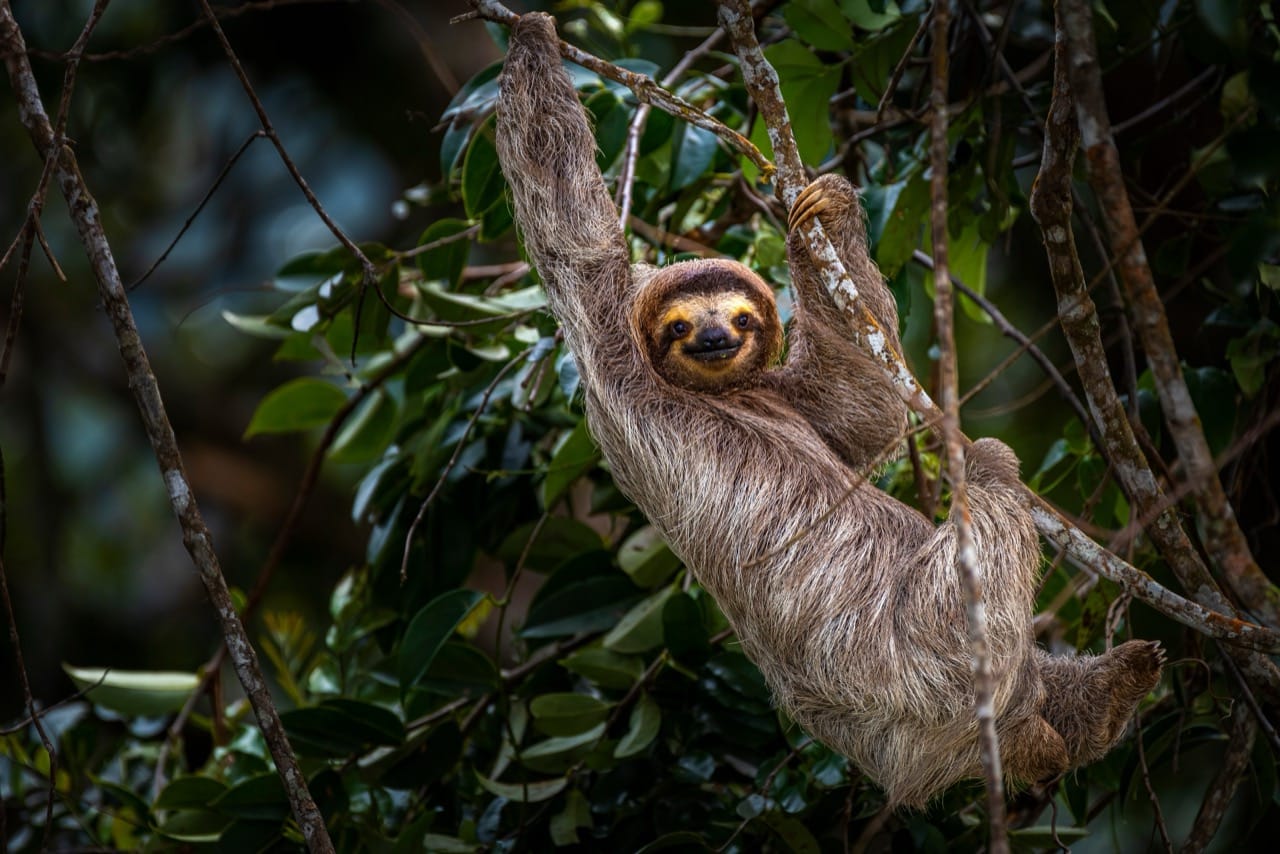
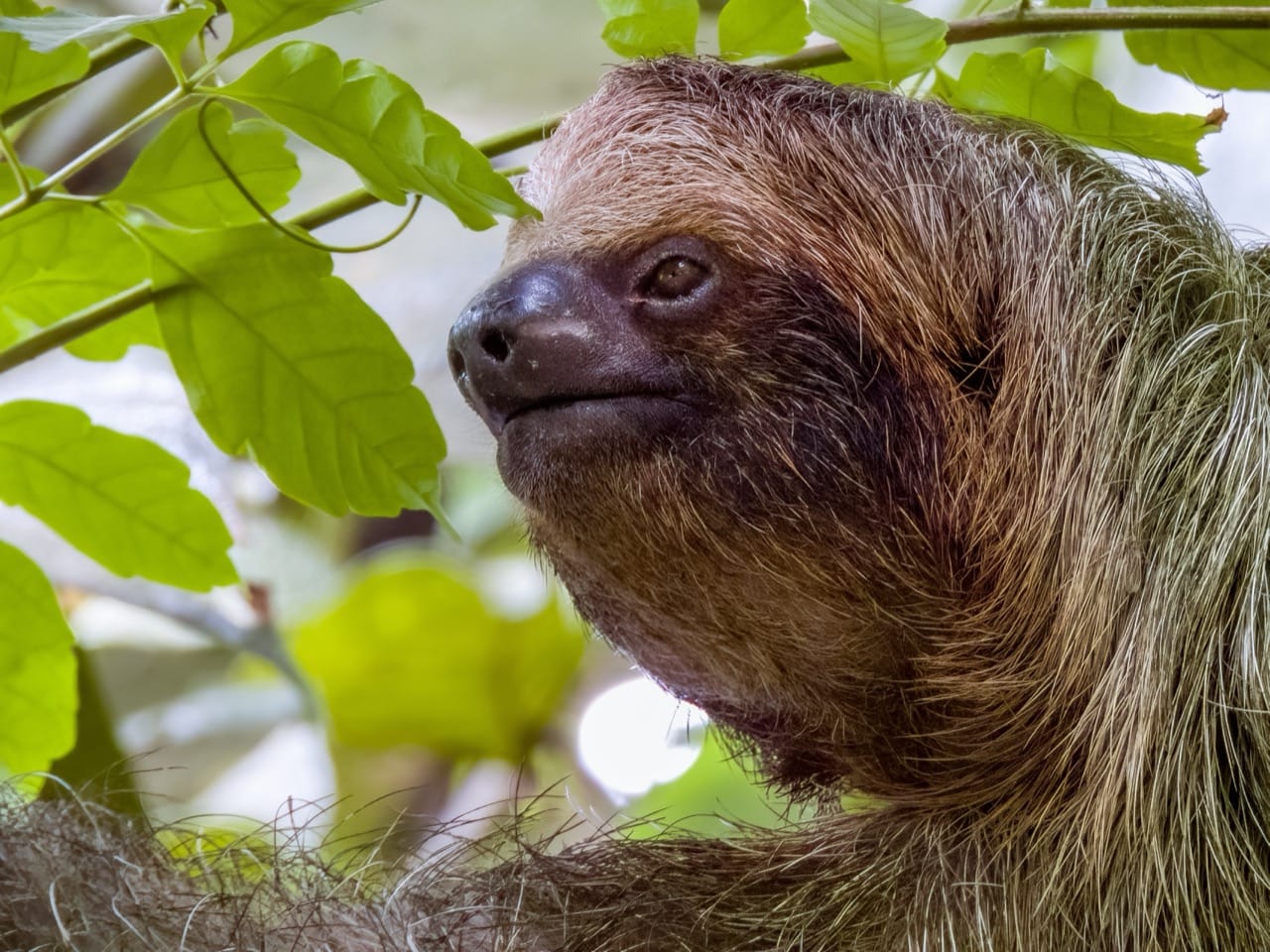
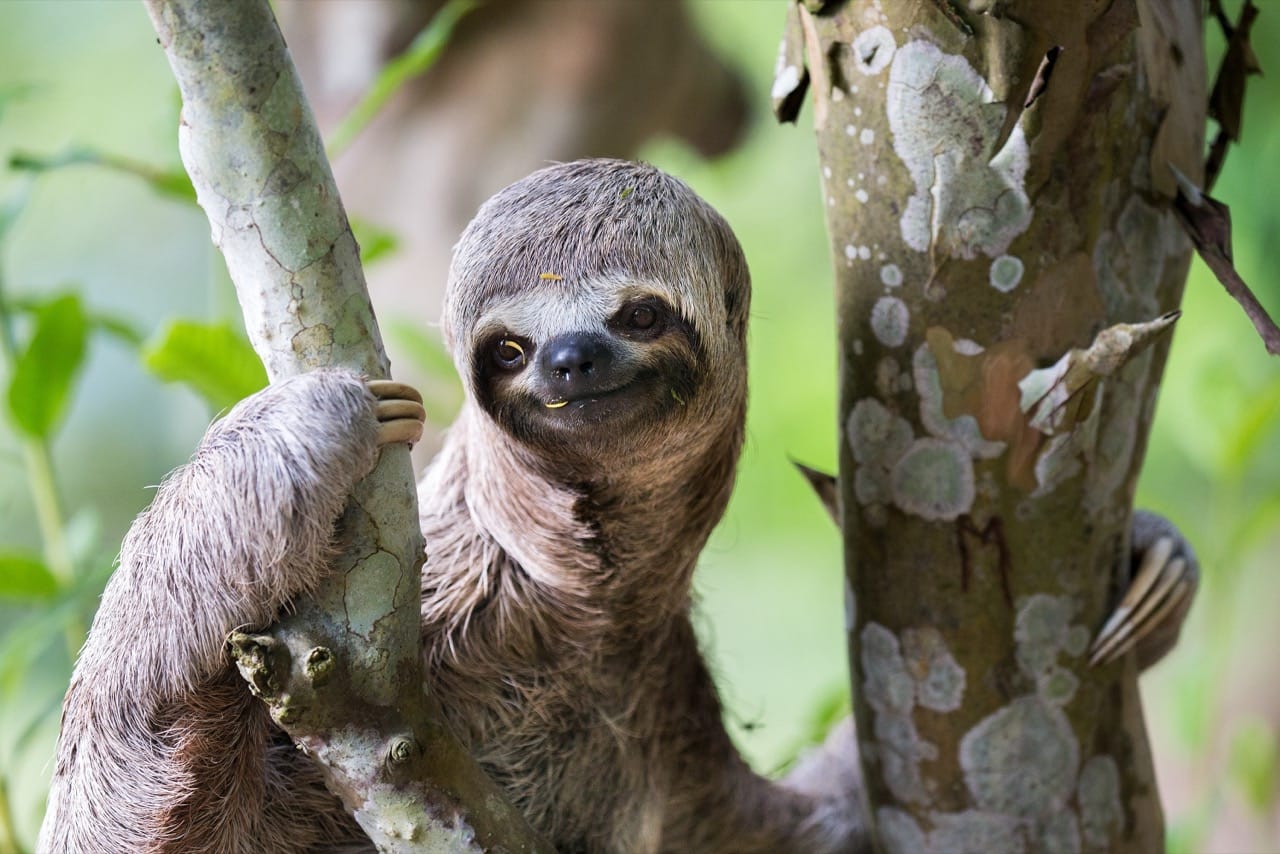
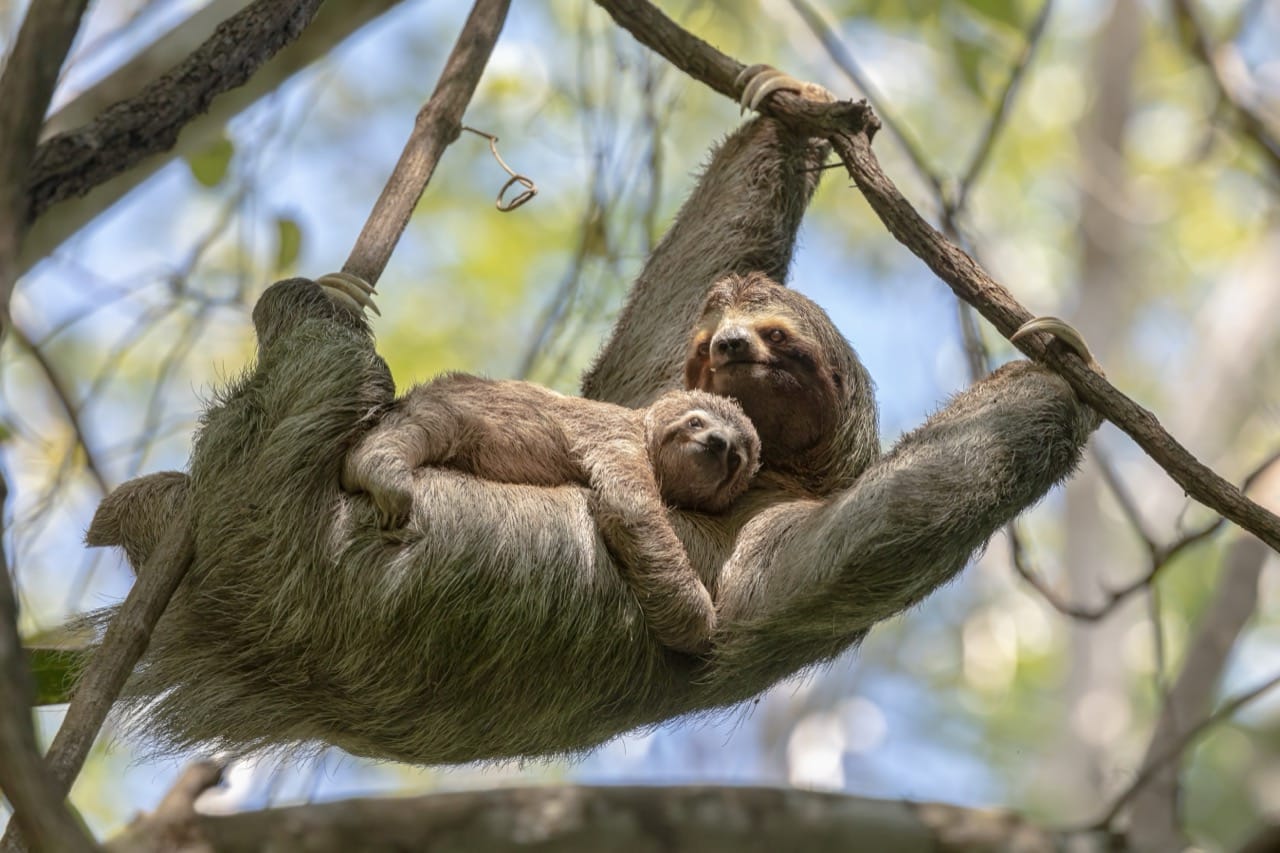
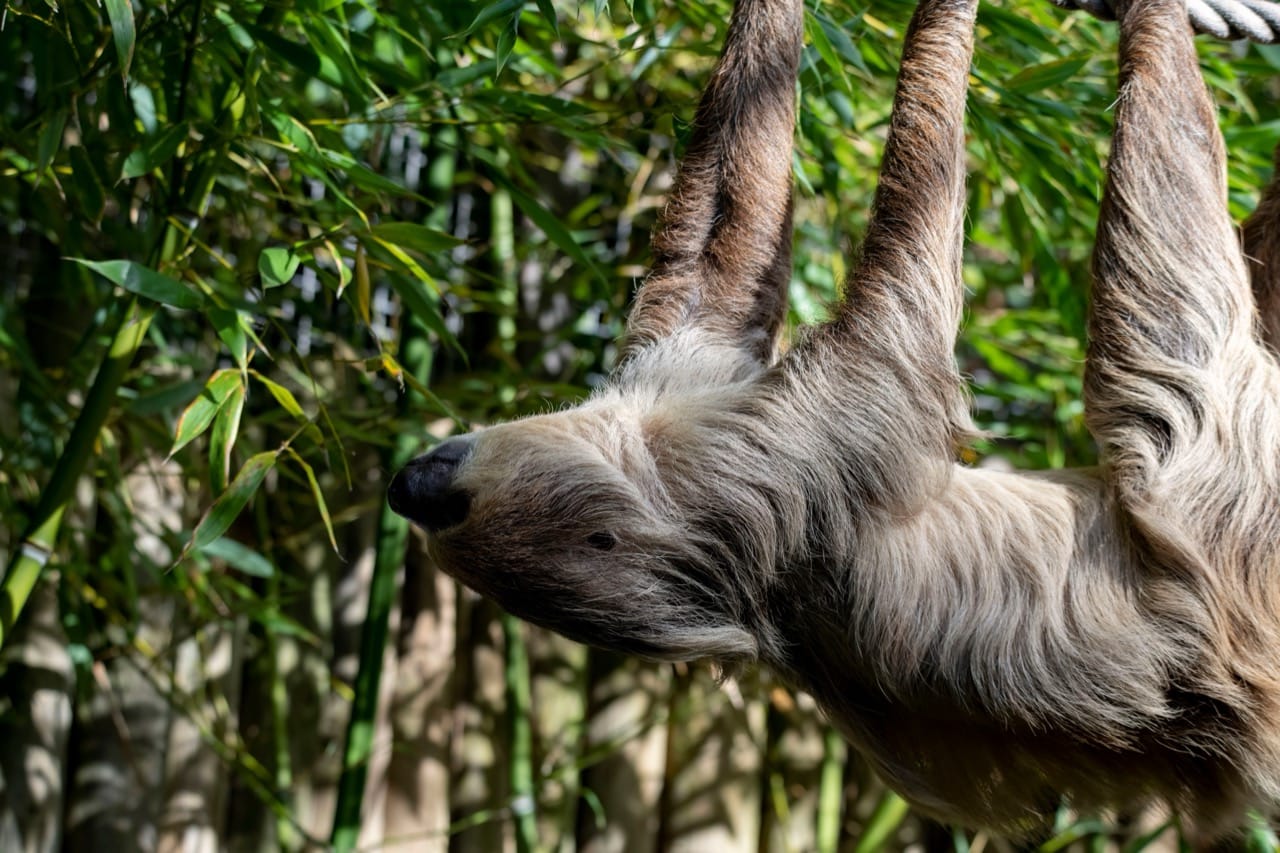
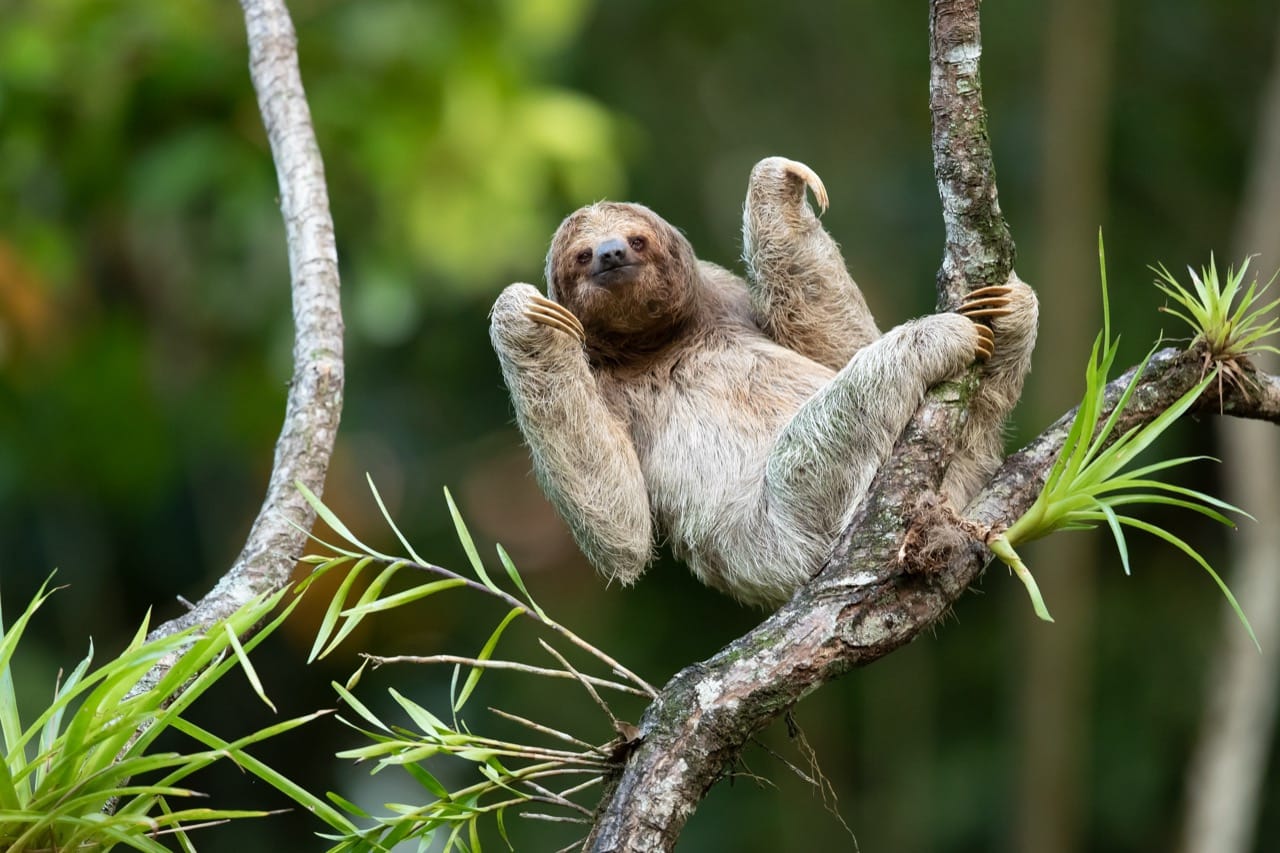
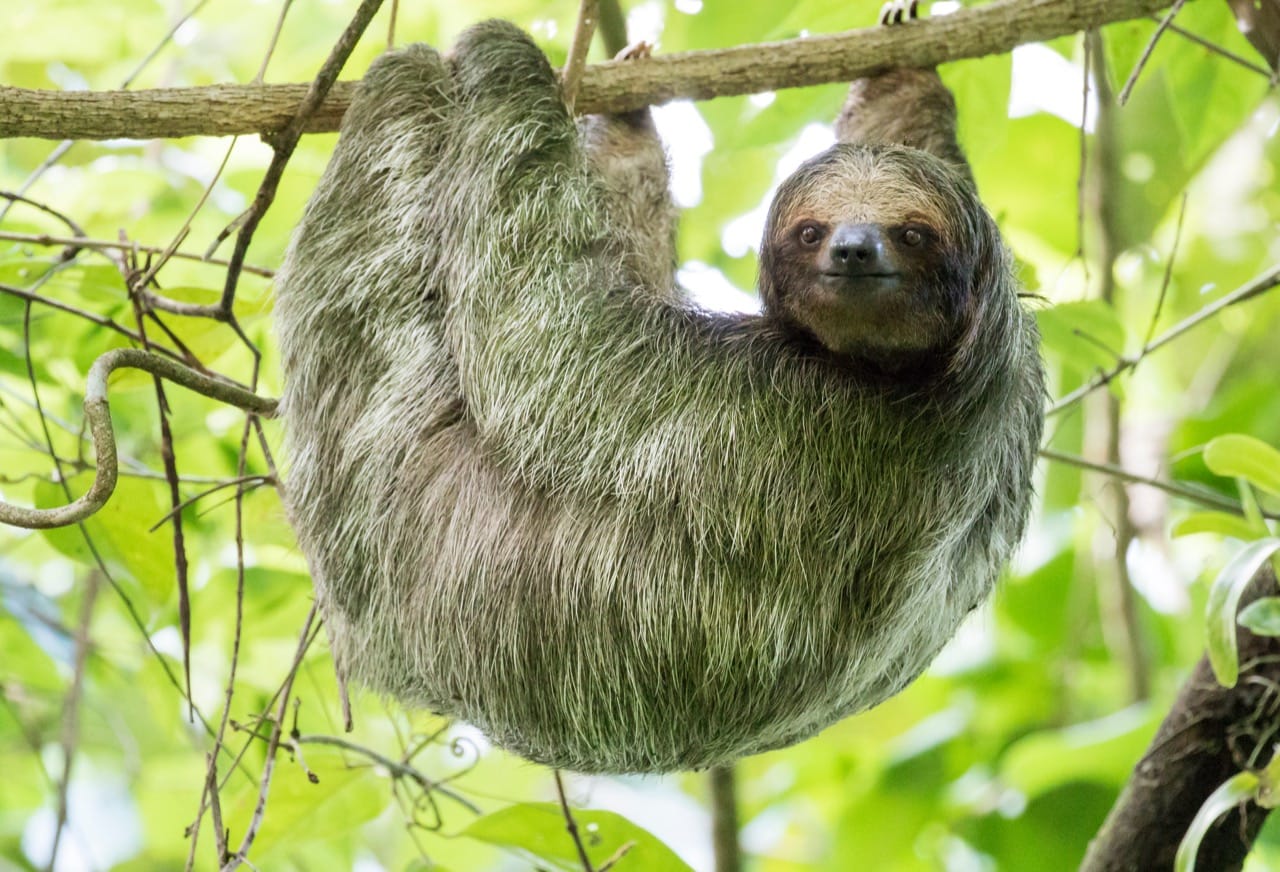
Science helps explain why sloths look the way they do, and those facts feed modern symbolism. Sloths have an exceptionally slow metabolism, which is one reason they move carefully and conserve energy. Their diet is low in calories, so speed would be expensive. Their fur often hosts algae, giving some individuals a greenish tint that acts like natural camouflage in the treetops. That algae ecosystem can include insects and microbes, turning a sloth into a tiny moving habitat. Another detail that fascinates people is their neck anatomy: while most mammals have seven neck vertebrae, some three-toed sloths have more, allowing a wider range of head rotation. These quirks make sloths feel almost otherworldly, like they are built for a different tempo of life.
Modern culture has turned that tempo into a brand. Sloths appear on mugs, office posters, and wellness ads as mascots for calm and self-care, a gentle pushback against burnout. Animated films and viral videos amplify the idea that slowness is charming, even wise. Yet conservation messaging often uses the same appeal for a more serious purpose. Sloths live in tropical forests that are threatened by habitat loss, and their popularity can draw attention and funding to protect ecosystems. In that sense, the sloth becomes a bridge between entertainment and environmental responsibility.
The most interesting twist is that the animal and the vice keep trading meanings. The vice of sloth warns against disengagement, while the animal suggests mindful pacing and adaptation. When people choose sloths as modern icons, they are often reclaiming the word, separating a creature’s survival strategy from a moral judgment. A single branch can hold many stories, and the sloth, hanging quietly in the canopy, ends up supporting debates about work, virtue, nature, and what it really means to live well.