Rabbit Tech and Science Curiosities Quiz







Quiz Complete!
Rabbits as Blueprints for Tech, Medicine, and Better Design
Rabbits may look like quiet, soft garden visitors, but they are full of biological solutions that engineers and scientists recognize as practical design ideas. One of the first rabbit features people notice is the teeth. A rabbit’s incisors grow continuously, which is not just a quirky fact but a living example of a self-renewing cutting edge. The constant growth is balanced by constant wear from chewing fibrous plants. This balance highlights a materials science problem that shows up everywhere, from industrial blades to dental restorations: how to maintain a sharp surface under steady abrasion. The tooth structure itself is layered, with hard enamel arranged so that chewing naturally maintains an effective edge. It is a reminder that smart design often depends as much on controlled wear as on toughness.
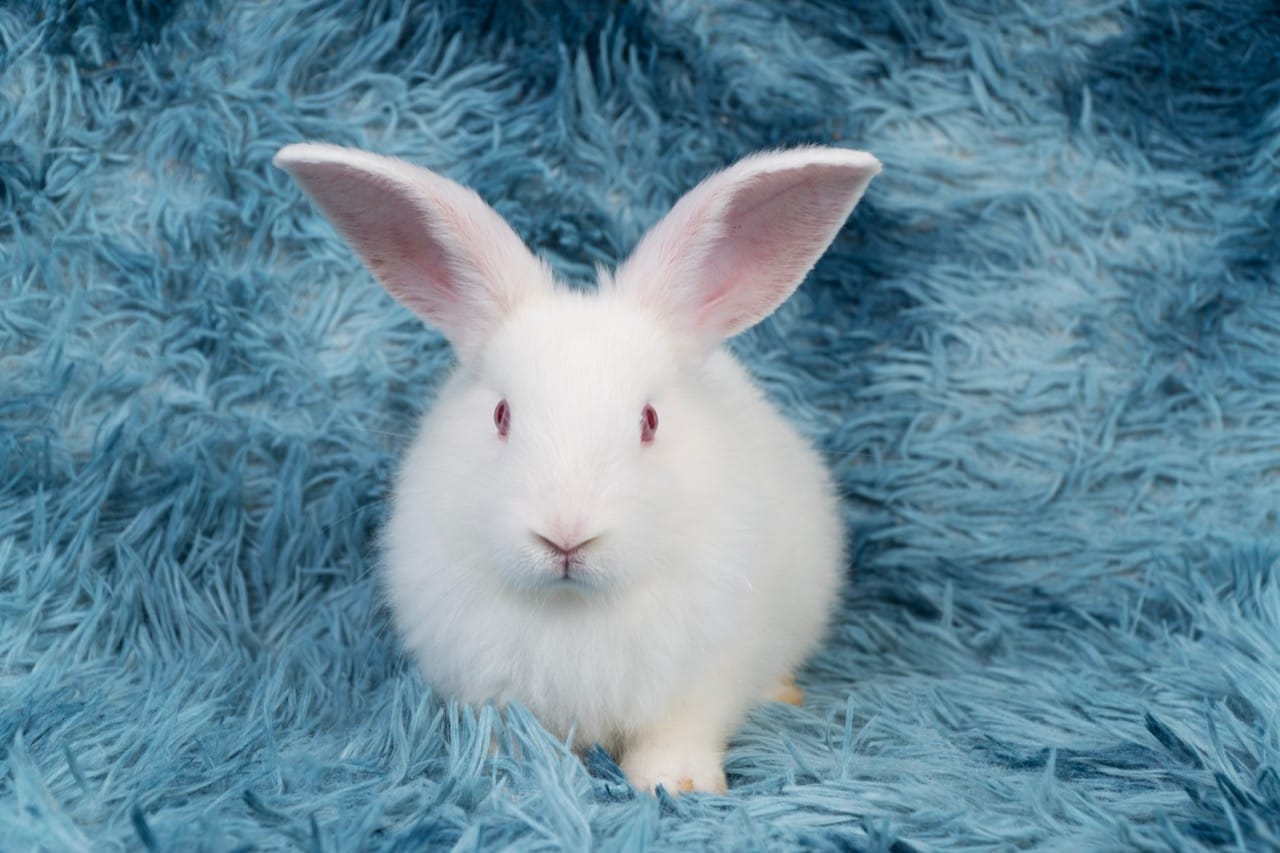
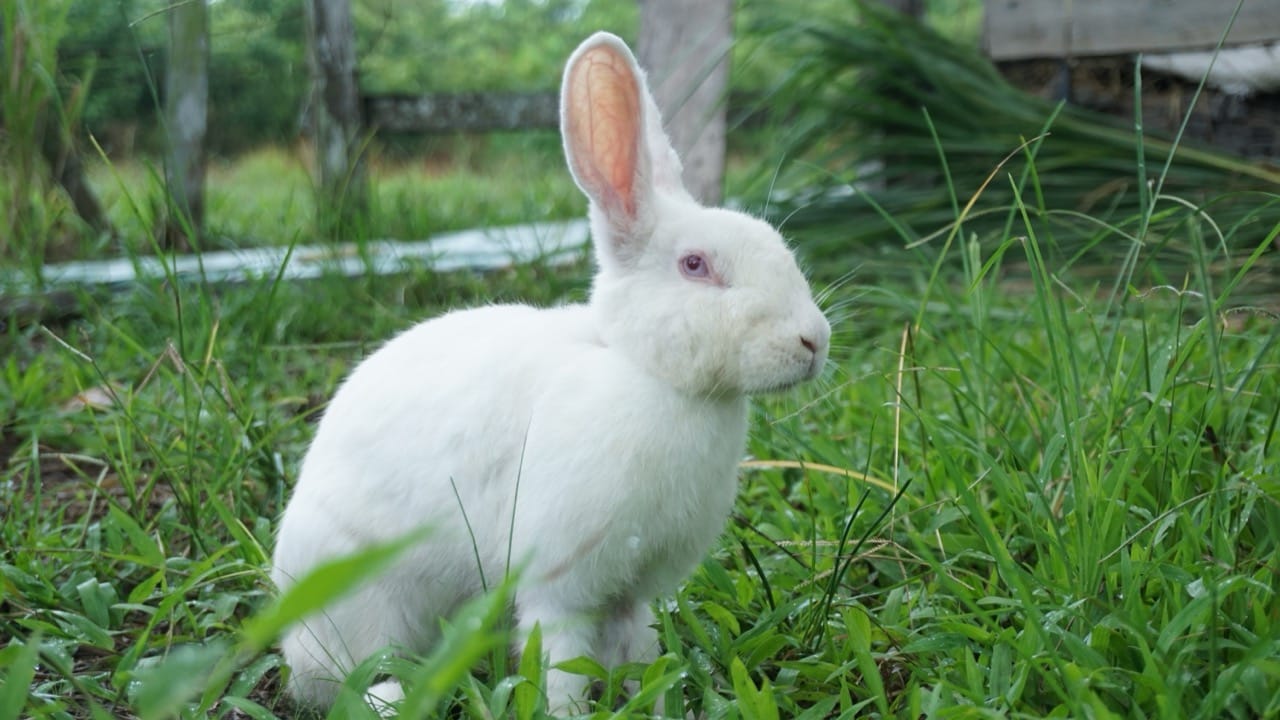
Rabbit ears are another piece of biological engineering. Those large ears are not only for hearing; they are also heat management devices. Blood vessels close to the surface can widen to release heat and narrow to conserve it, turning the ear into a living radiator. This idea maps neatly onto thermoregulation in technology, where devices need to dump heat without heavy fans or bulky parts. The ear’s combination of thin material, large surface area, and adjustable blood flow resembles variable cooling systems that respond to changing conditions, like smart vents or adaptive heat exchangers. It also shows why shape matters: surface area can be as important as the material itself.
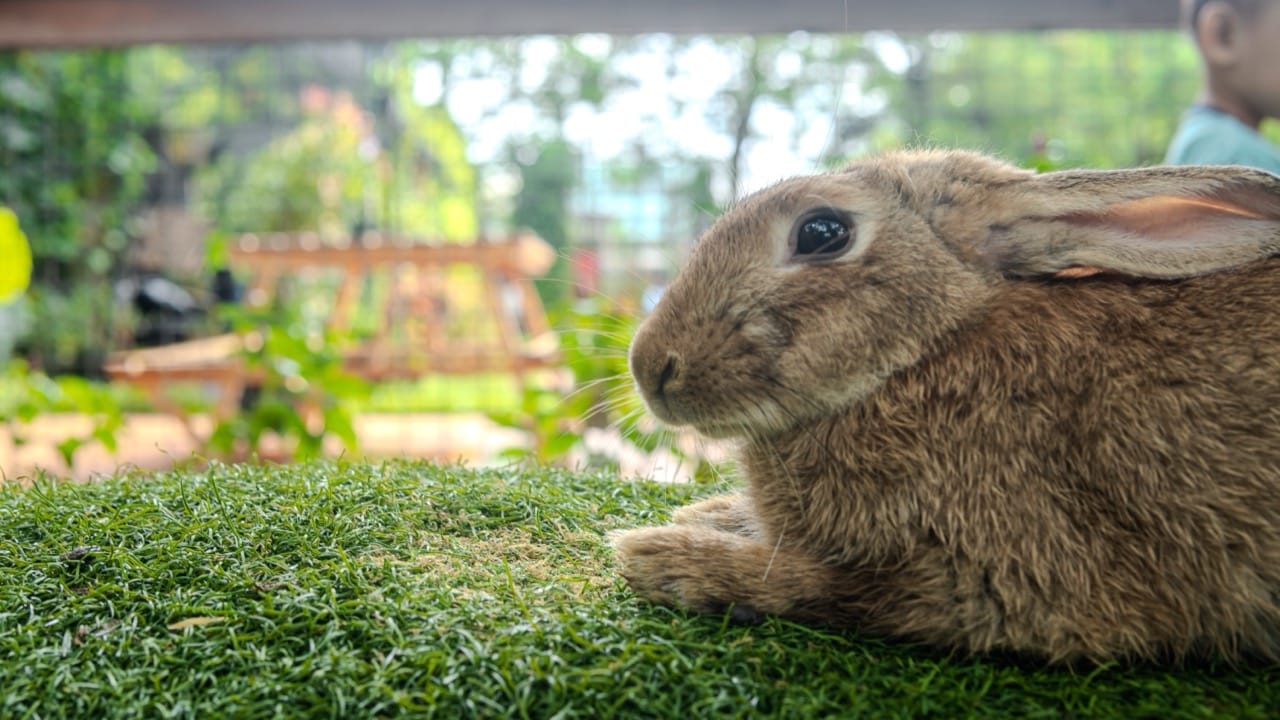
Rabbits are built for sensing and rapid decision-making. Their eyes sit on the sides of the head, giving them a very wide field of view that helps detect predators. The tradeoff is less depth perception straight ahead compared with animals whose eyes face forward. That tradeoff is similar to choices made in camera placement for robots and vehicles: a wide-angle view improves detection but can distort distance and detail. Rabbits also rely on fine hearing and quick head movements to localize sounds, a behavior that parallels how sensor fusion works in machines. When multiple imperfect signals are combined, the overall picture becomes more reliable.
Inside, rabbit digestion is so specialized that it has changed how veterinarians approach feeding and treatment. Rabbits are hindgut fermenters, meaning much of the breakdown of tough plant material happens in the cecum, a fermentation chamber full of microbes. To get enough nutrients, rabbits produce two kinds of droppings, including soft cecotropes that they re-ingest. This process can surprise new owners, but it is a highly efficient recycling strategy. It also shows how sensitive the system is to disruption. Sudden diet changes, low-fiber food, dehydration, or stress can slow gut movement and lead to dangerous gastrointestinal stasis. In practical terms, rabbit health is often about maintaining steady fiber intake, hydration, and calm routines, which is a useful lesson in how complex systems can fail when their normal feedback loops are disturbed.
The famous rabbit jump is more than a cute hop. Powerful hind legs store and release energy quickly, while joints and tendons manage impact forces. Researchers studying animal locomotion look at rabbits to understand efficient jumping, traction on different surfaces, and shock absorption. These insights can inform athletic shoe design, prosthetics, and legged robots that need to land safely without wasting energy. Rabbits also show how stability can be achieved with a low center of mass and rapid adjustments, an approach that matters for machines operating on uneven terrain.
Rabbits have also shaped laboratory science and the ethics surrounding it. They were central to early immunology and vaccine work, and rabbits remain important for producing certain antibodies. At the same time, their use in testing has driven the development of animal welfare standards and the push for alternatives. The modern approach emphasizes the 3Rs: replacing animals when possible, reducing the number used, and refining procedures to minimize suffering. That ethical progress is part of the scientific story, reminding us that better methods are not only about better data but also about better responsibility.
Seen through a tech and science lens, rabbits are not simple at all. They are walking case studies in self-maintaining materials, adaptive cooling, smart sensing, specialized microbiology, efficient biomechanics, and the evolving relationship between research and ethics. Once you notice these connections, a rabbit in the yard starts to look less like a background creature and more like a compact, living design manual.