Quokkas Before Selfies A History Quiz
Quiz Complete!
Quokkas Before Selfies: A Short History of a Small Wallaby with a Big Story
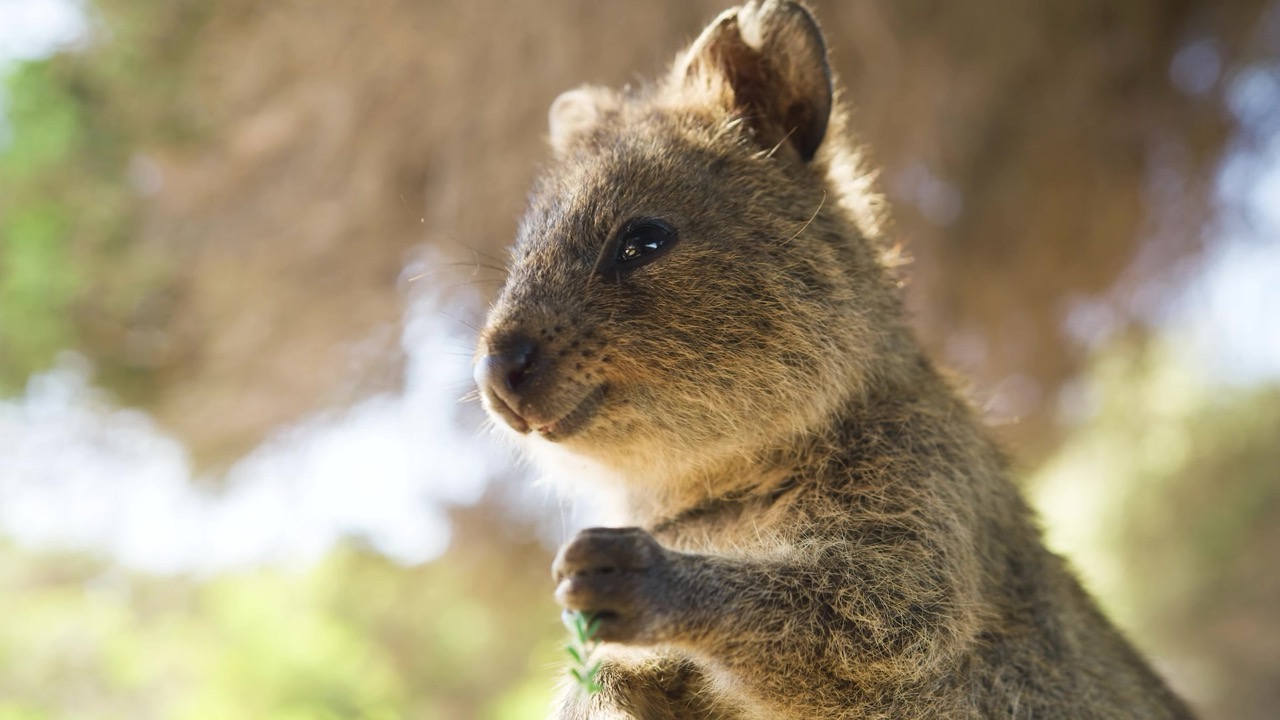
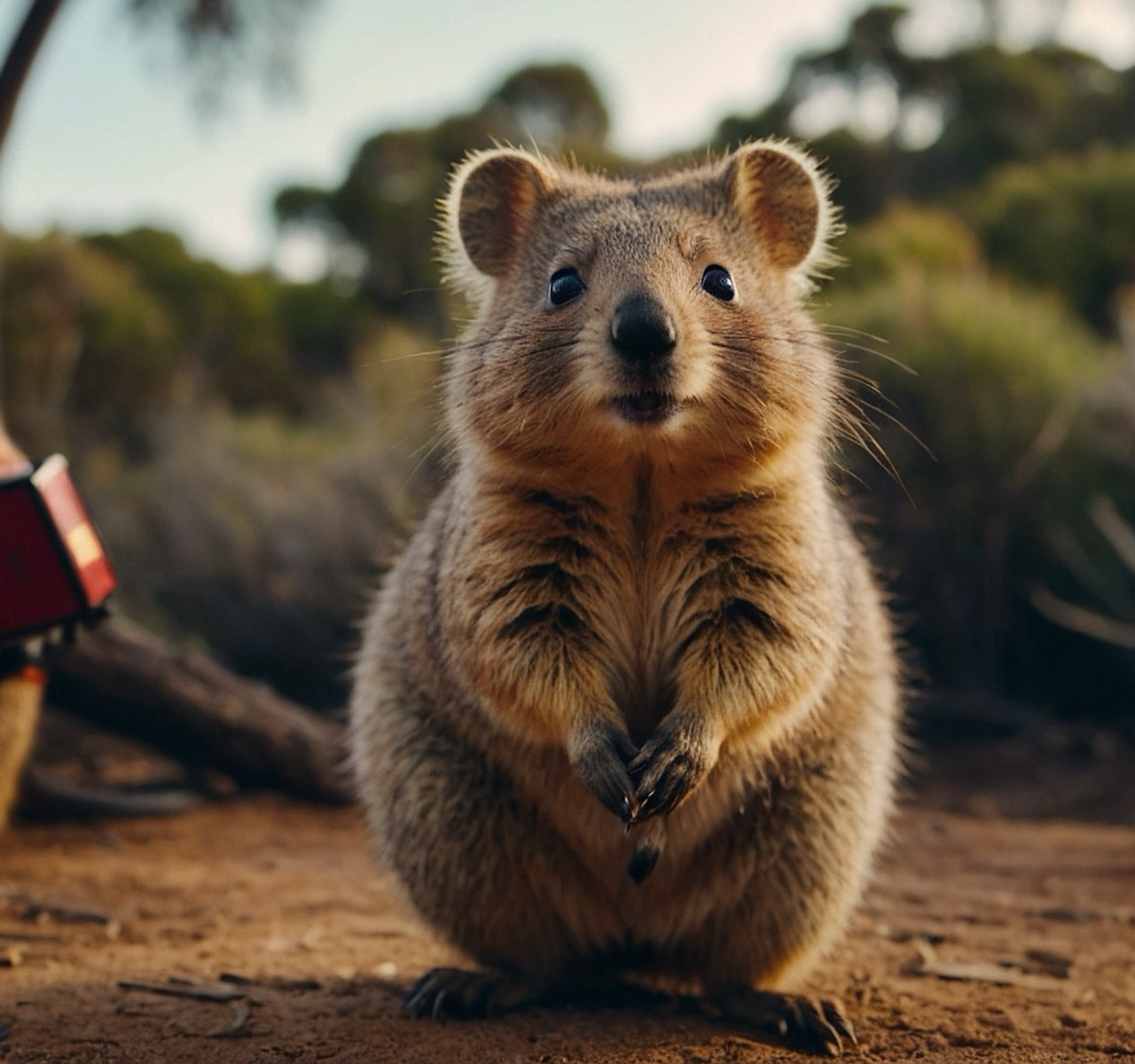
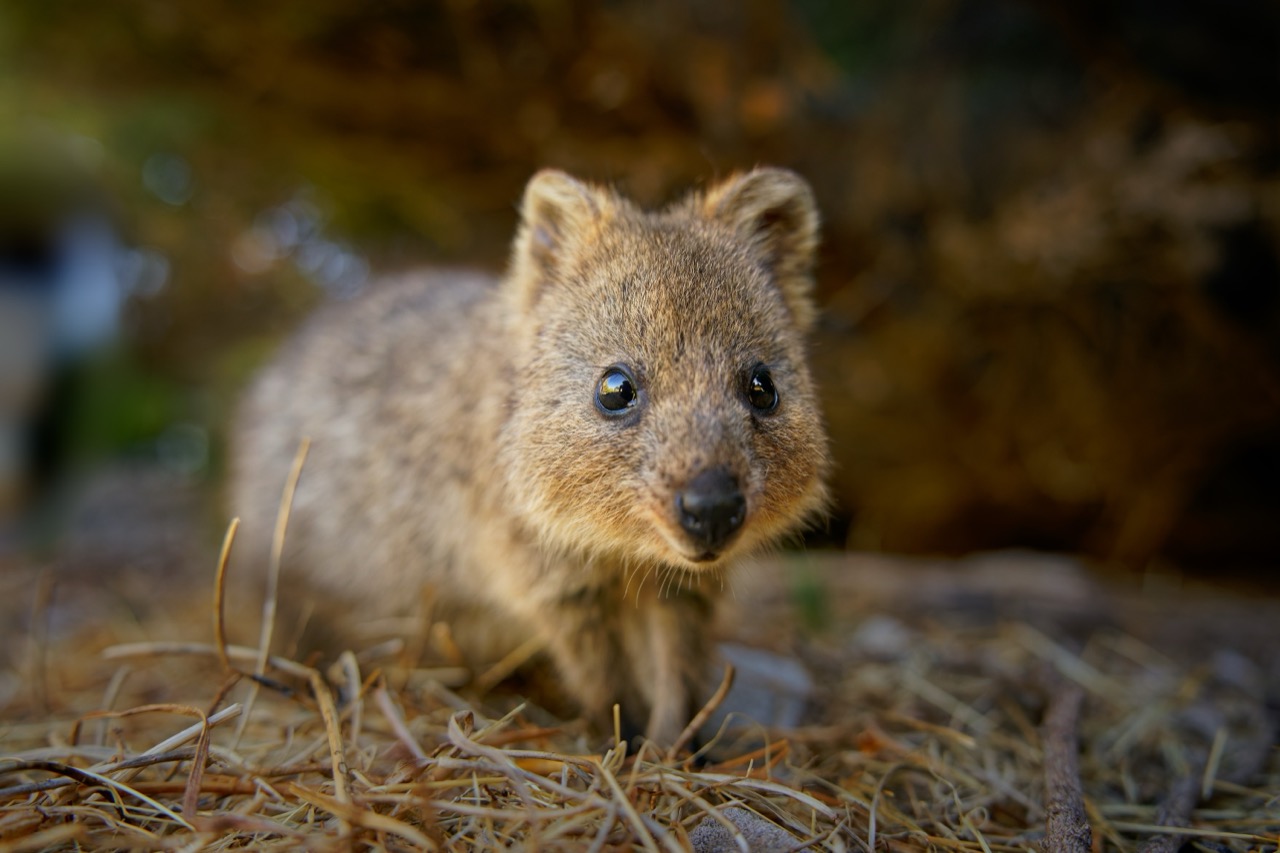
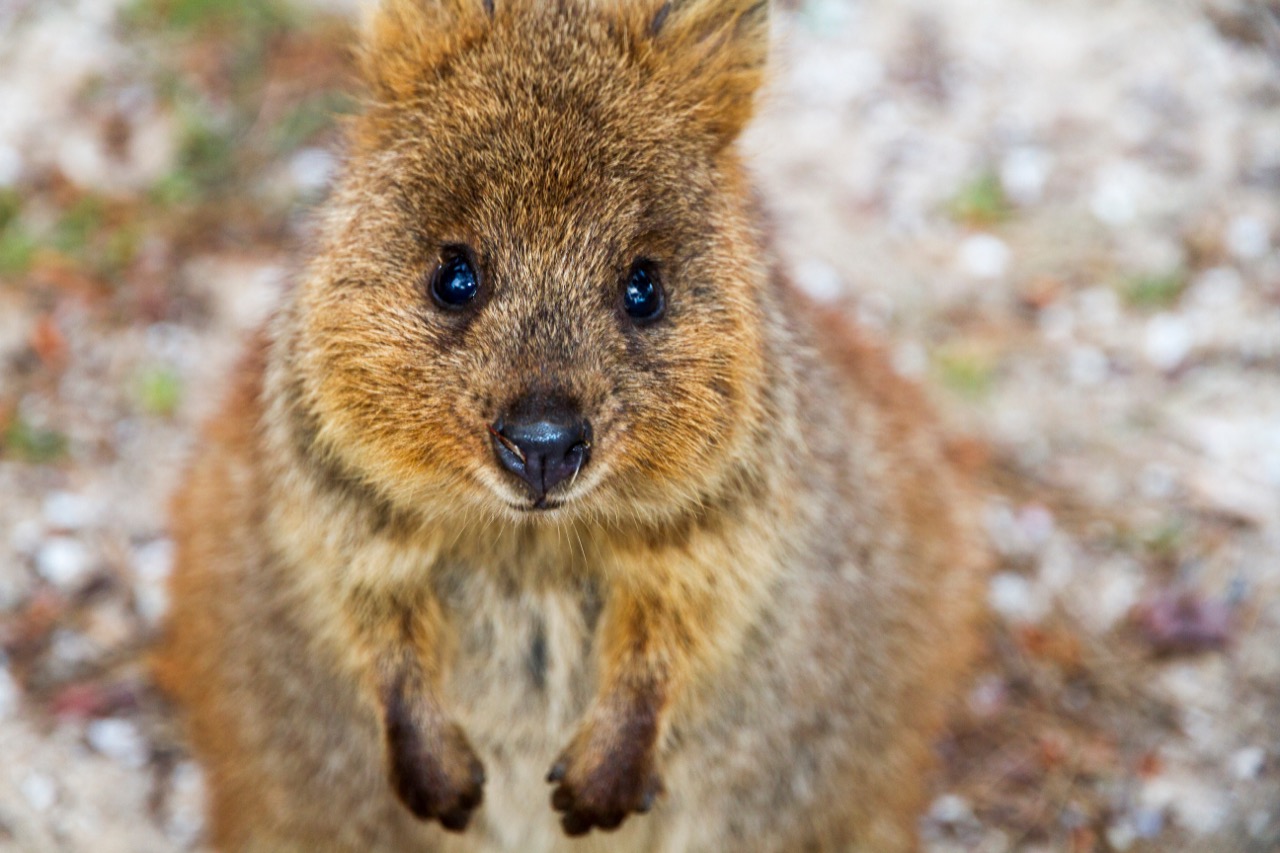
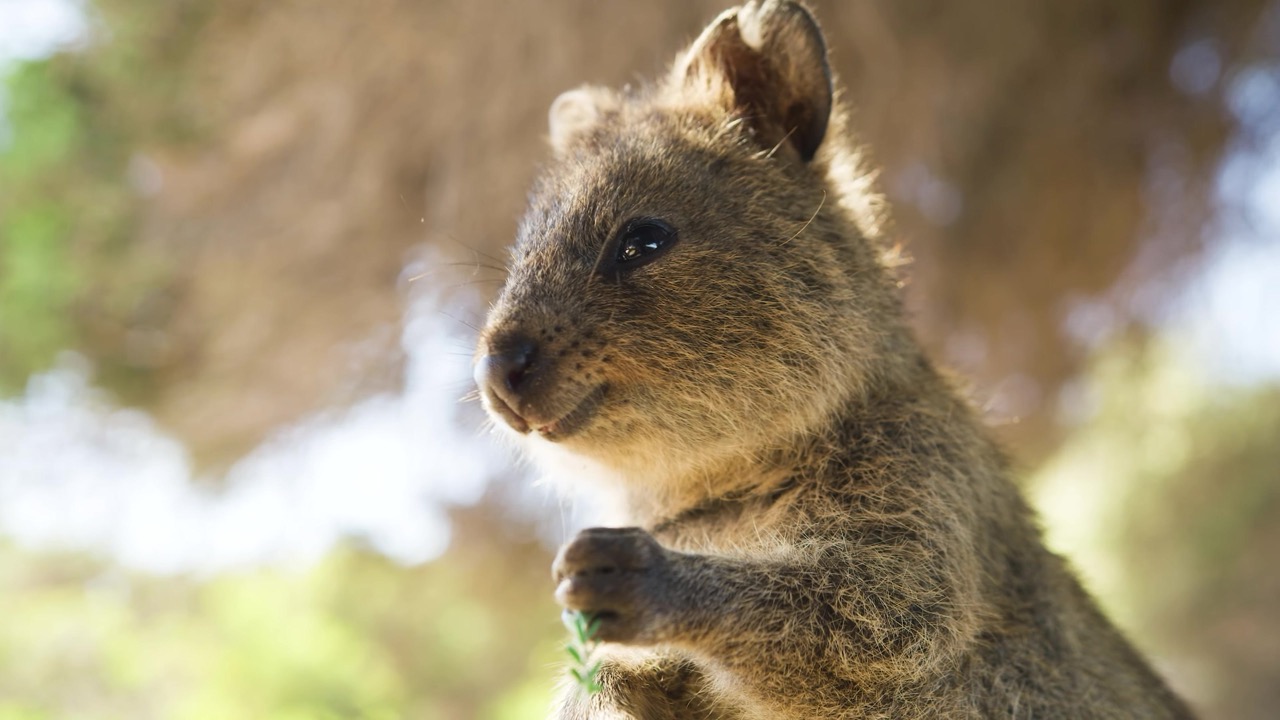
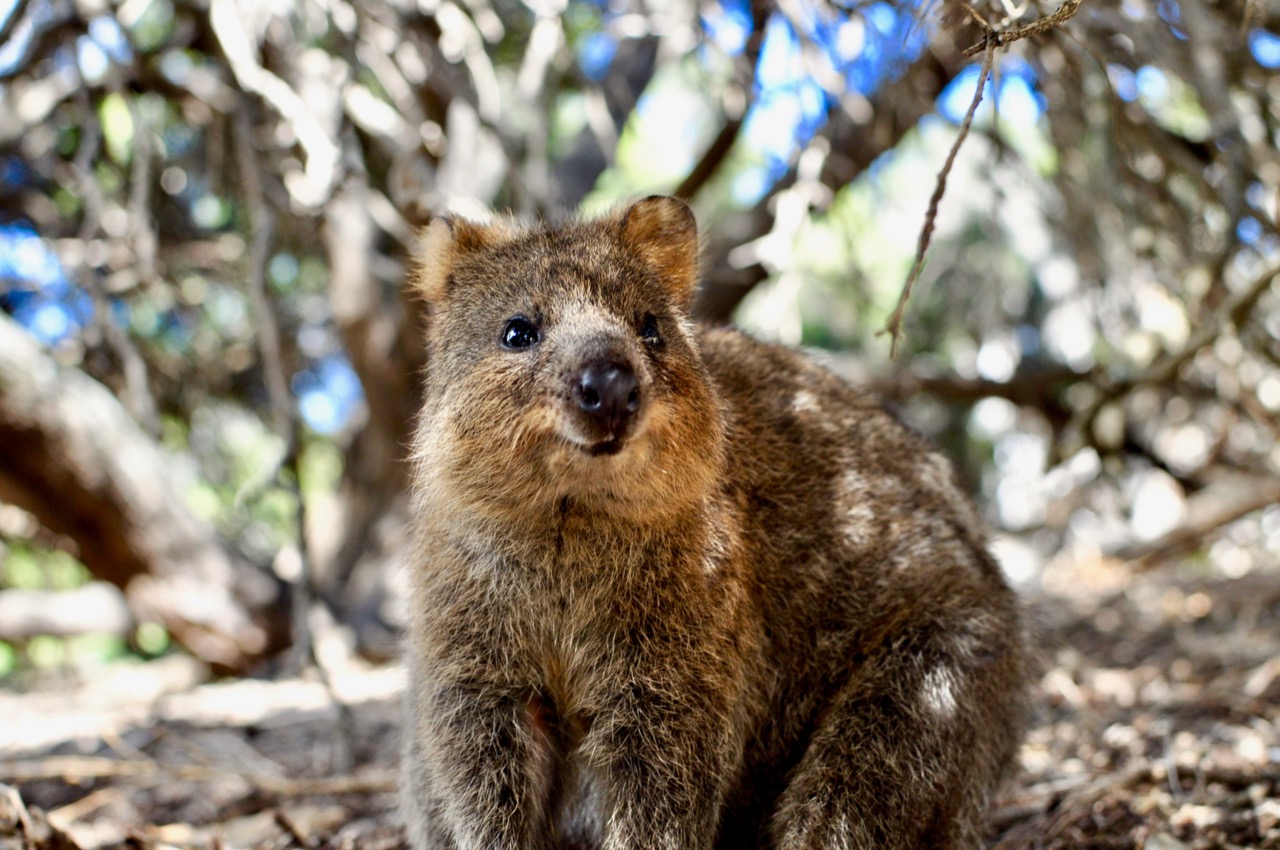
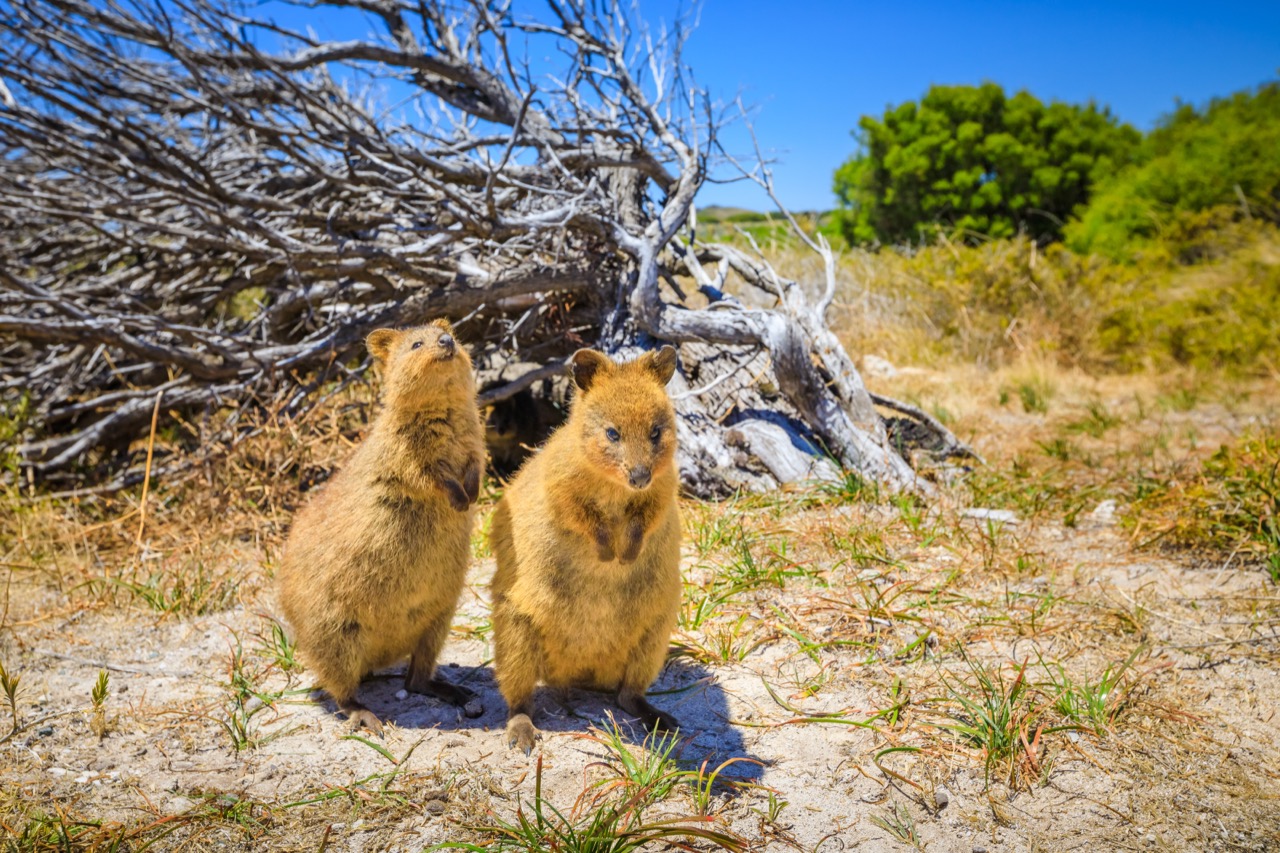
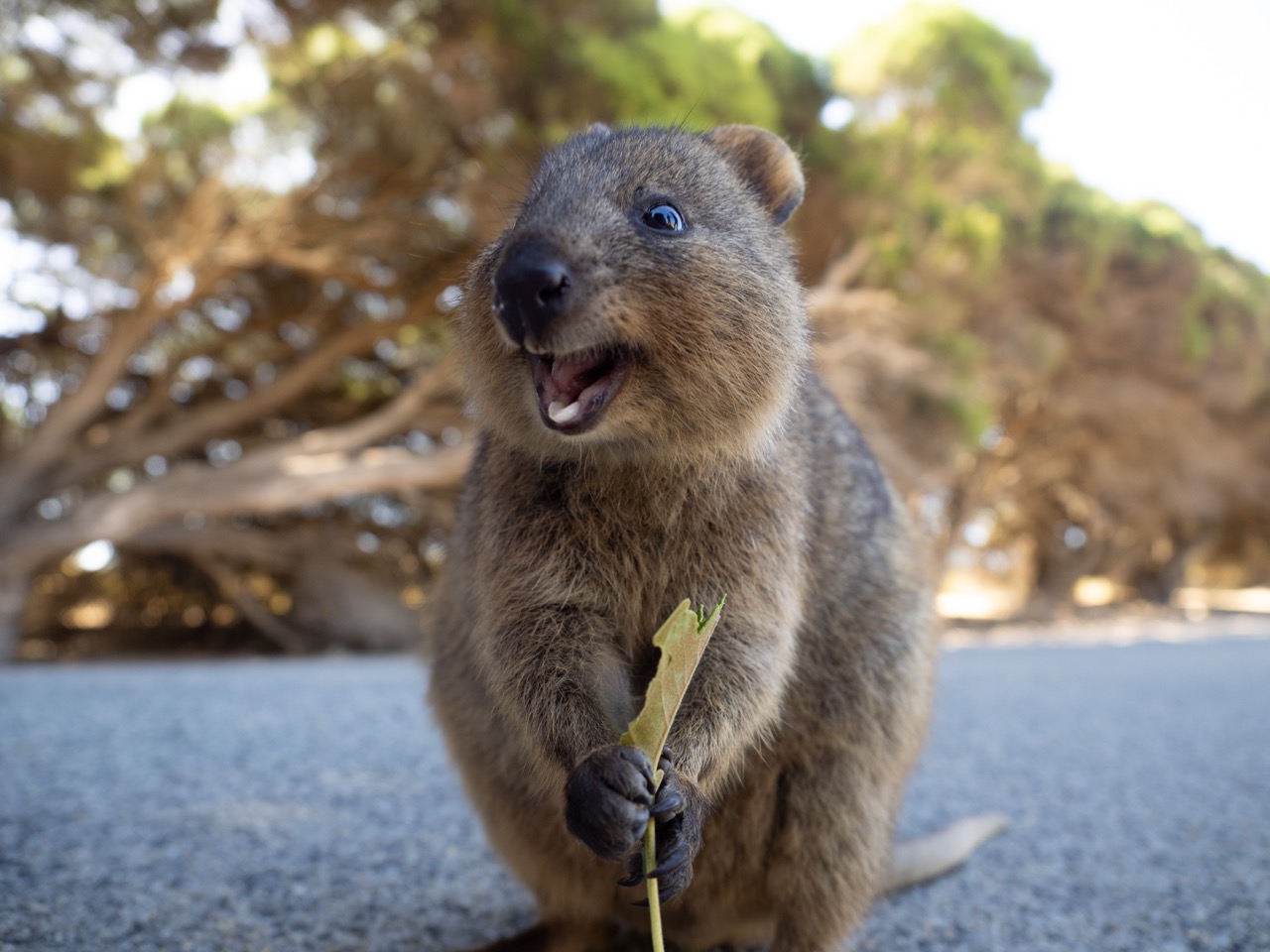
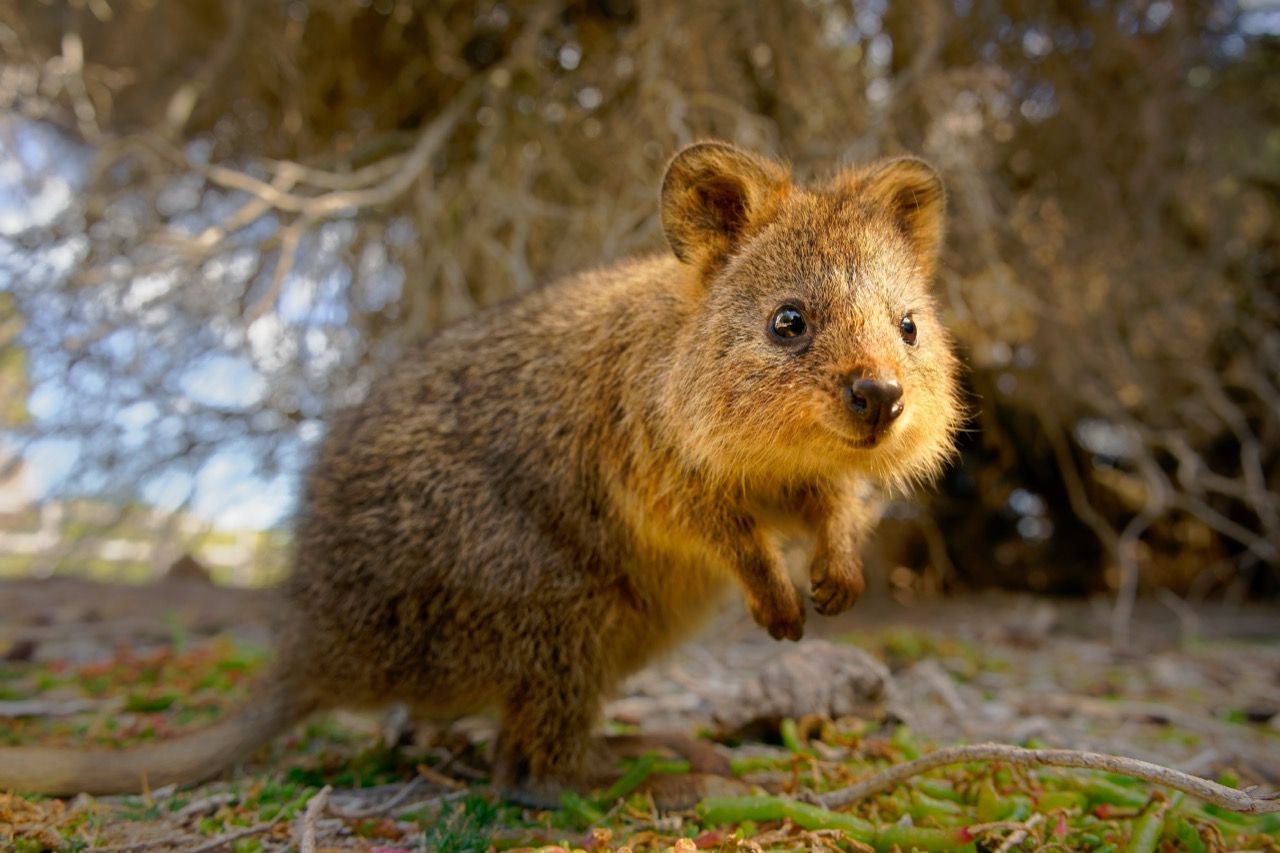
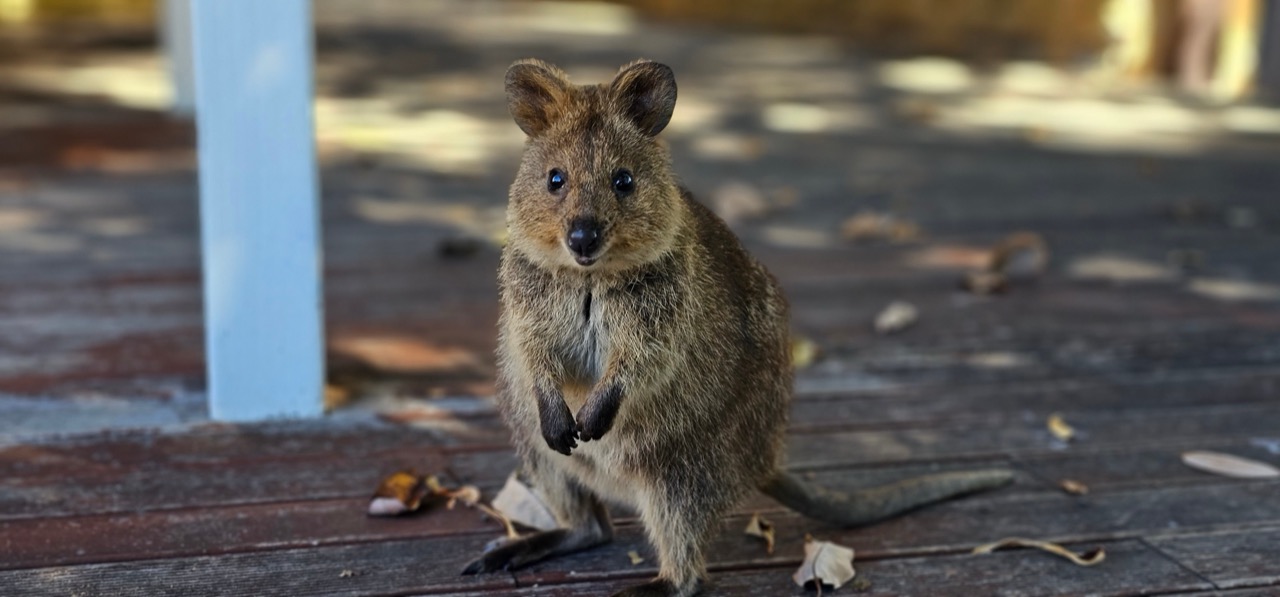
Long before quokkas became famous for photogenic smiles, they were simply one of Australia’s many marsupials, shaped by ancient landscapes and changing climates. A quokka is a small macropod, the same broader family that includes kangaroos and wallabies. In everyday terms, it looks like a compact wallaby with rounded ears and a sturdy build made for moving through dense vegetation. Its friendly reputation comes from facial structure and relaxed behavior around people in certain places, not from any special emotion it is trying to display.
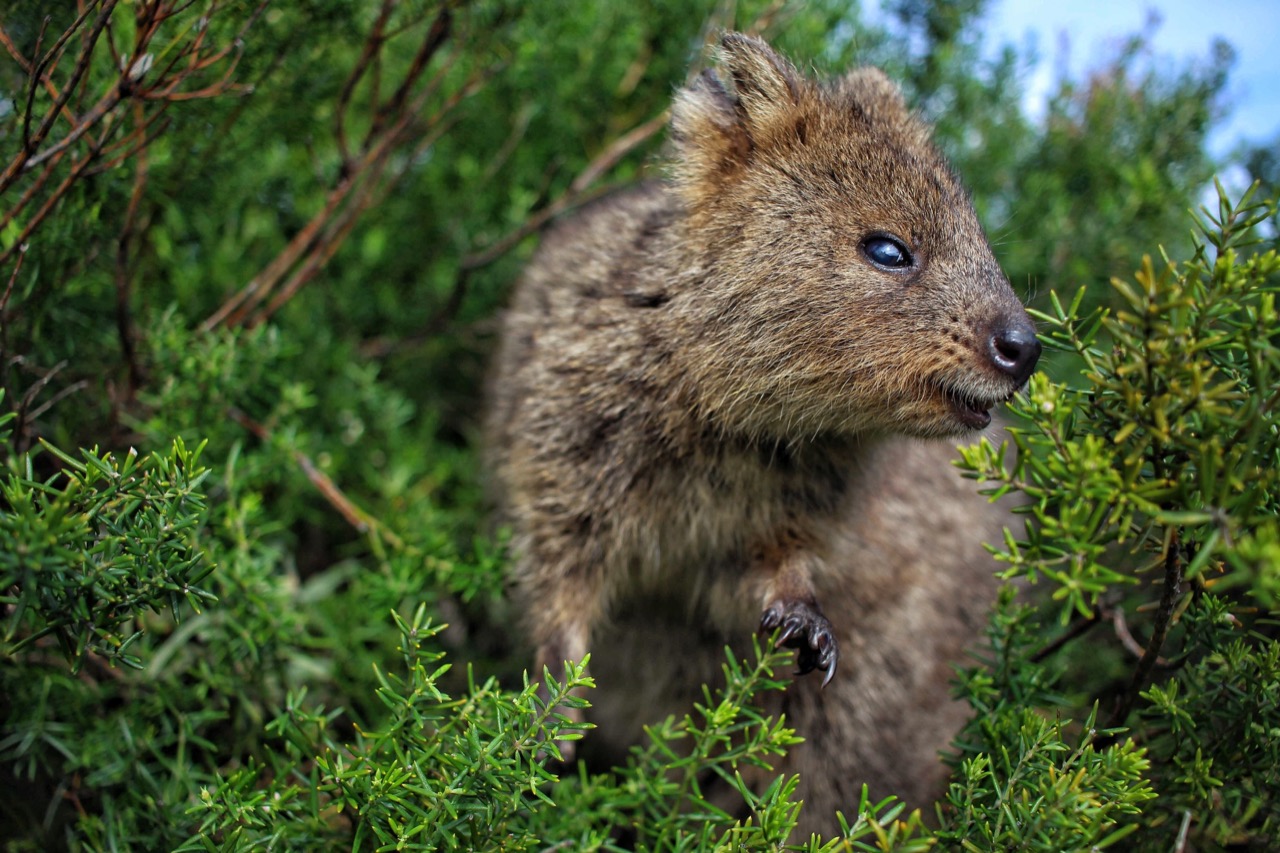
Quokkas belong to a branch of marsupials that evolved in Australia over millions of years as the continent drifted, dried, and developed unique ecosystems. Their closest living relatives include other small wallabies, and they share the macropod hallmark of powerful hind legs and a tail used for balance. Unlike the open plains image many people associate with kangaroos, quokkas are strongly tied to shelter. They prefer thick understory, scrub, and areas where they can hide from predators and heat. They are mainly active from late afternoon into the night, spending the day resting in cover to avoid the harshest temperatures.
The quokka’s modern strongholds on islands off Western Australia are the result of history as much as biology. Today, Rottnest Island is the best-known home of the species, with another major population on Bald Island and smaller groups in parts of the mainland southwest. These islands offered something increasingly rare on the mainland after European settlement: relative safety from introduced predators. Foxes and feral cats, brought by humans, have had devastating effects on many small and medium-sized Australian mammals. On islands where these predators were absent or tightly controlled, quokkas could persist.
Early European encounters helped shape the animal’s story in unexpected ways. When Dutch explorers reached the coast in the seventeenth century, they recorded unfamiliar wildlife and landscapes. One famous and often-repeated episode involves Dutch sailors encountering quokkas on what is now Rottnest Island and mistaking them for large rats, likely because of their size and the way they moved through vegetation. This misunderstanding is linked to the island’s name, which derives from a Dutch word related to rats. The animal’s own name, quokka, is commonly traced to an Indigenous language from the region, reflecting the much longer human history of Australia’s First Peoples, who knew the species well and understood its habits in local environments.
Environmental change also played a role in shaping where quokkas could live. Over thousands of years, shifting rainfall patterns and vegetation zones affected the availability of suitable habitat. Fire regimes matter too. Many Australian plants and animals are adapted to fire, but the frequency and intensity of burns can tip the balance. Quokkas need a mix of vegetation ages: dense cover for protection and nearby feeding areas with fresh growth. Changes in land use, clearing, and altered fire patterns can fragment habitat and make populations more vulnerable.
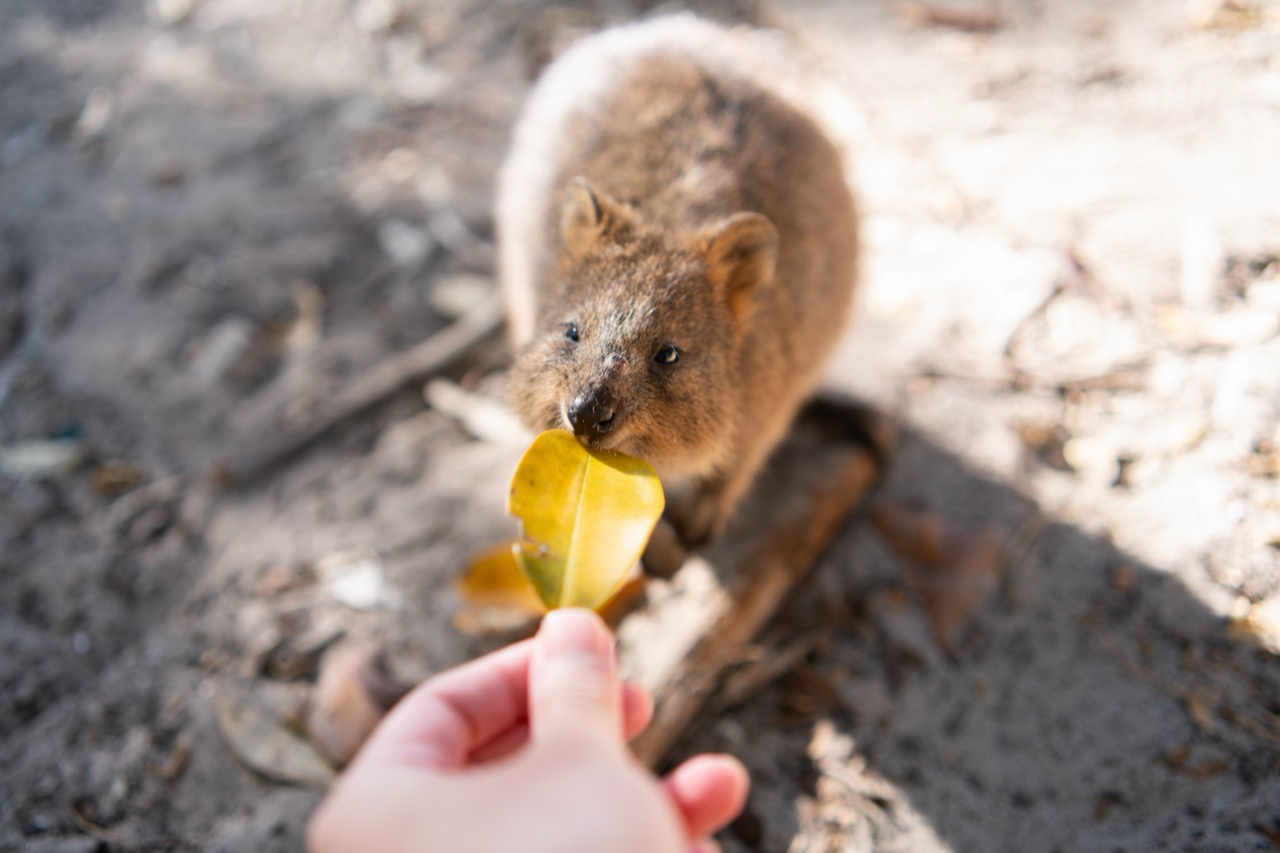
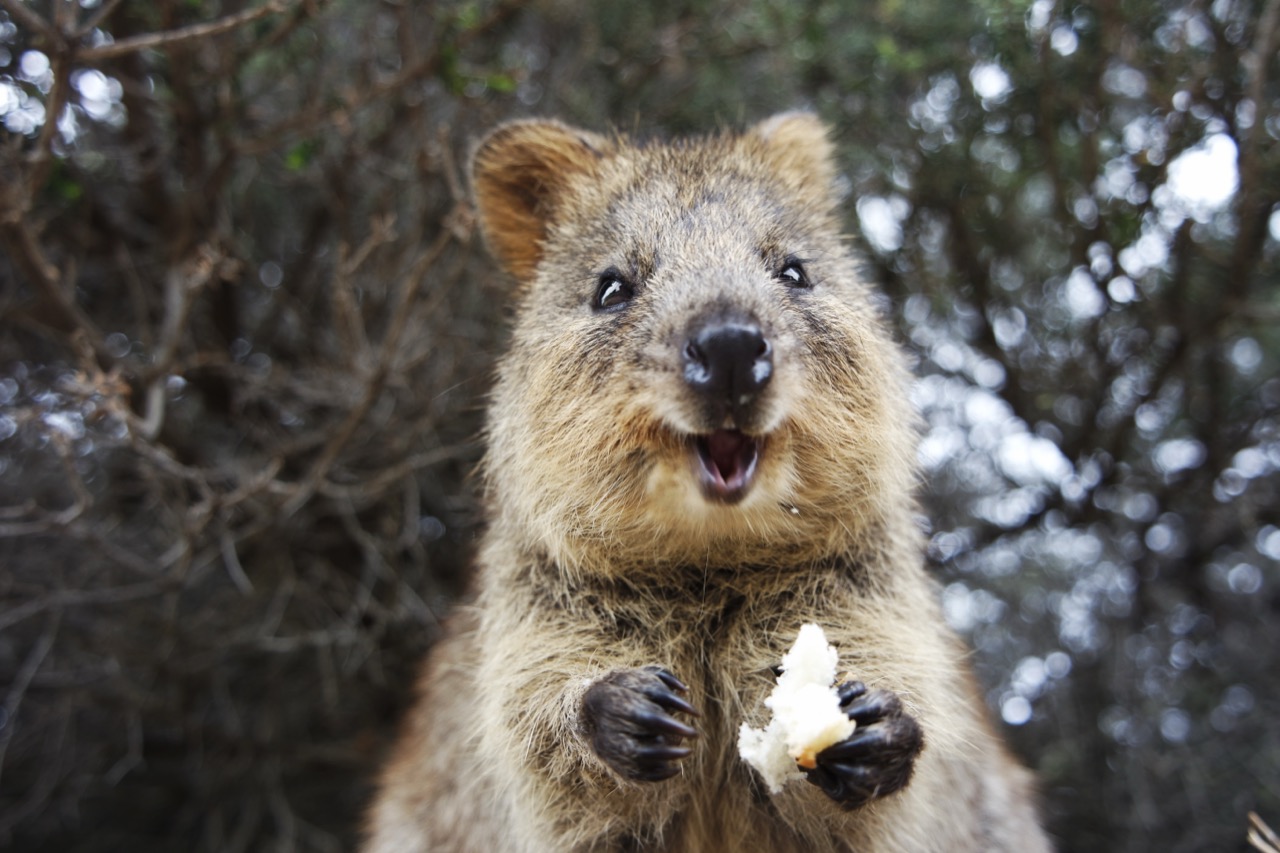
Modern conservation has turned quokkas into a symbol of what can be protected when threats are managed. On Rottnest Island, careful oversight, limited predators, and public awareness have supported a stable population, though challenges remain, including heat stress during hotter summers and the risks of close contact with humans. Feeding wildlife can harm their health and behavior, and even well-meaning interactions can spread disease or disrupt natural foraging.
The quokka’s rise to global icon status is recent, but the animal itself is a product of deep time, Indigenous knowledge, European exploration, and the ecological realities of island life. Understanding that longer story makes the modern fascination more meaningful: behind every cheerful-looking face is a survivor of Australia’s complex natural and human history.