Slow Secrets Sloths and Their Strange Sidekicks
Quiz Complete!
Slow Secrets: Sloths and Their Strange Sidekicks
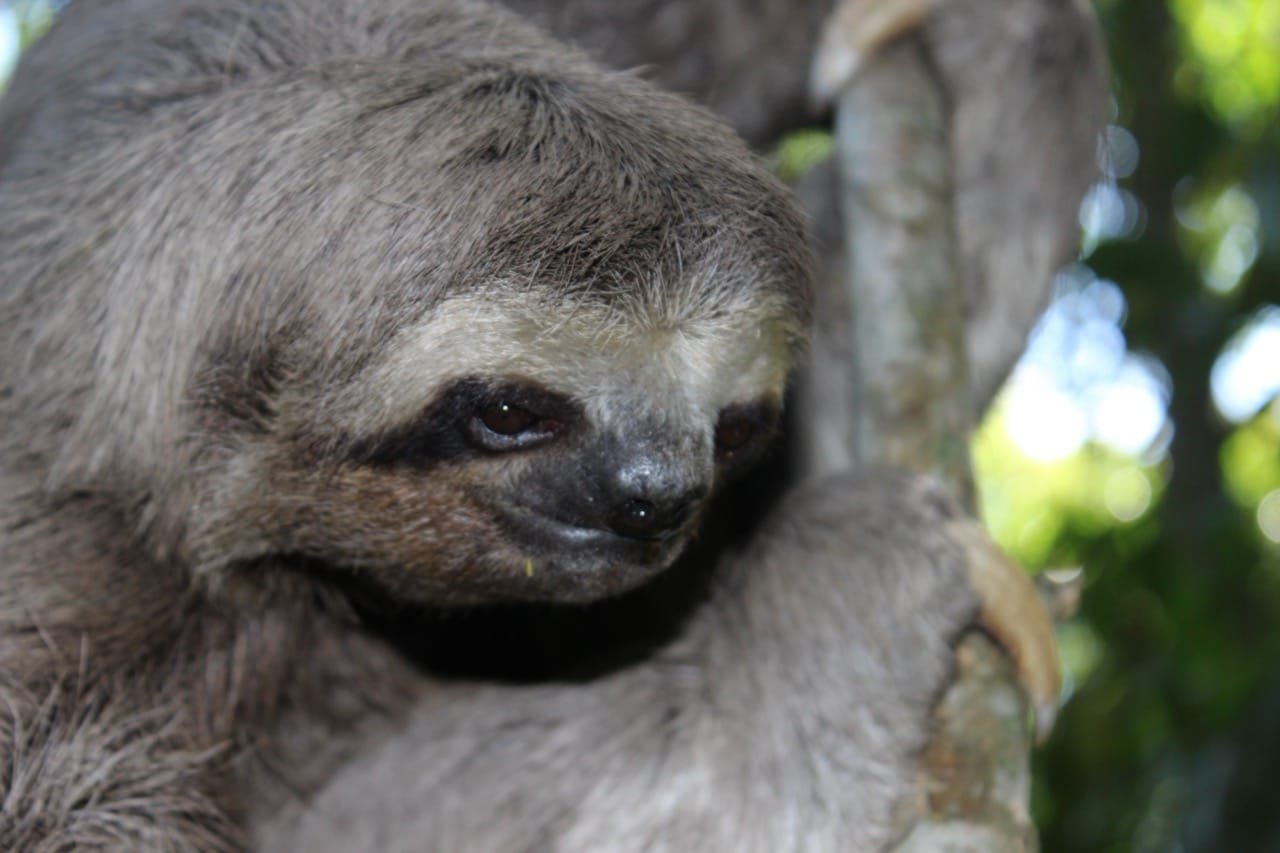
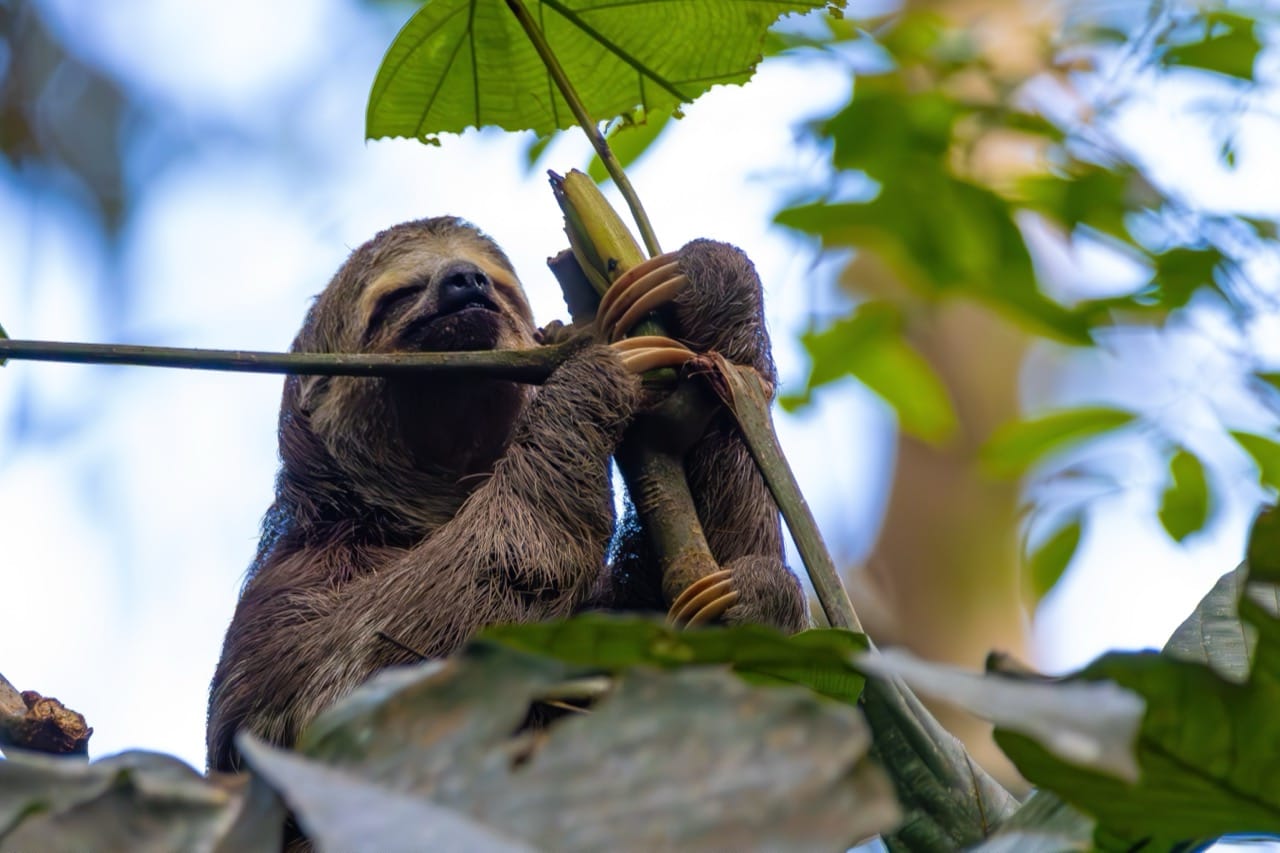
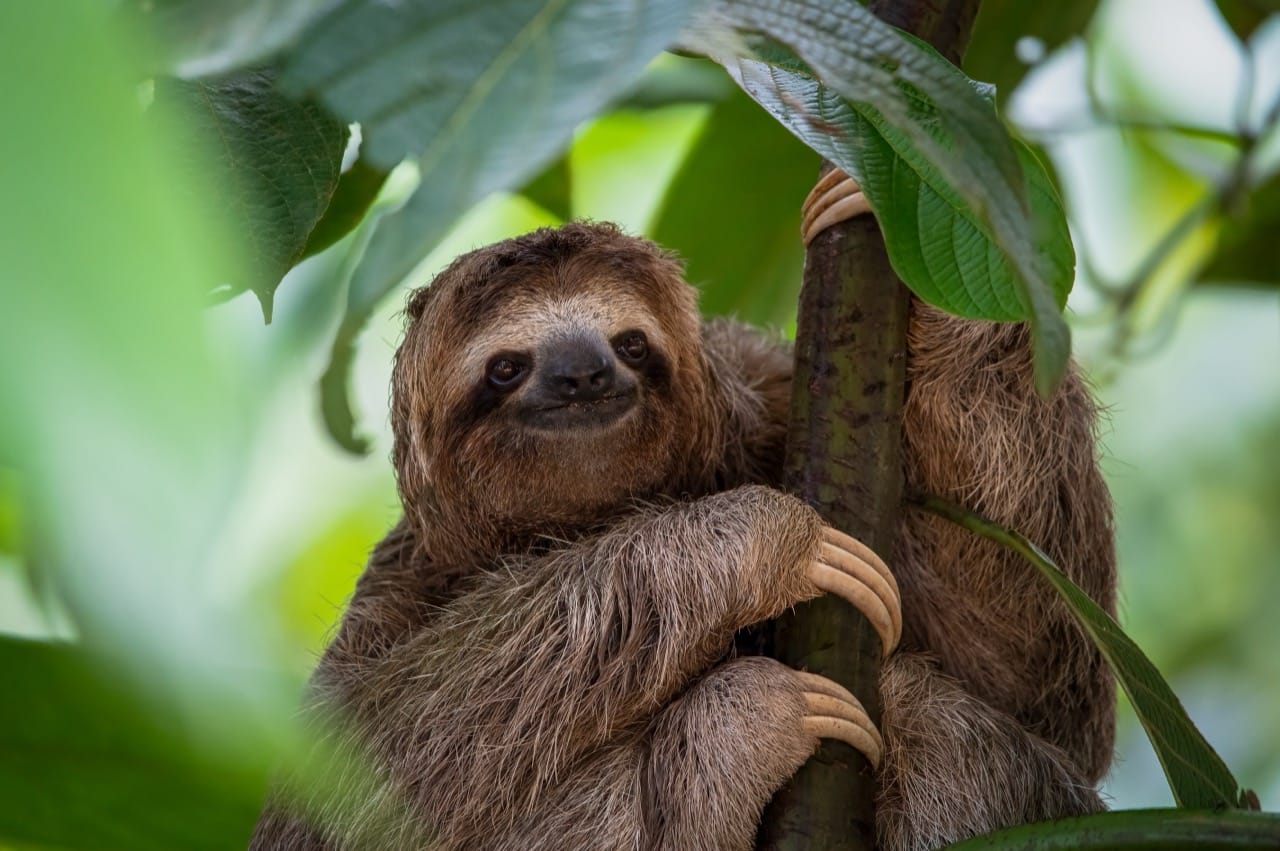
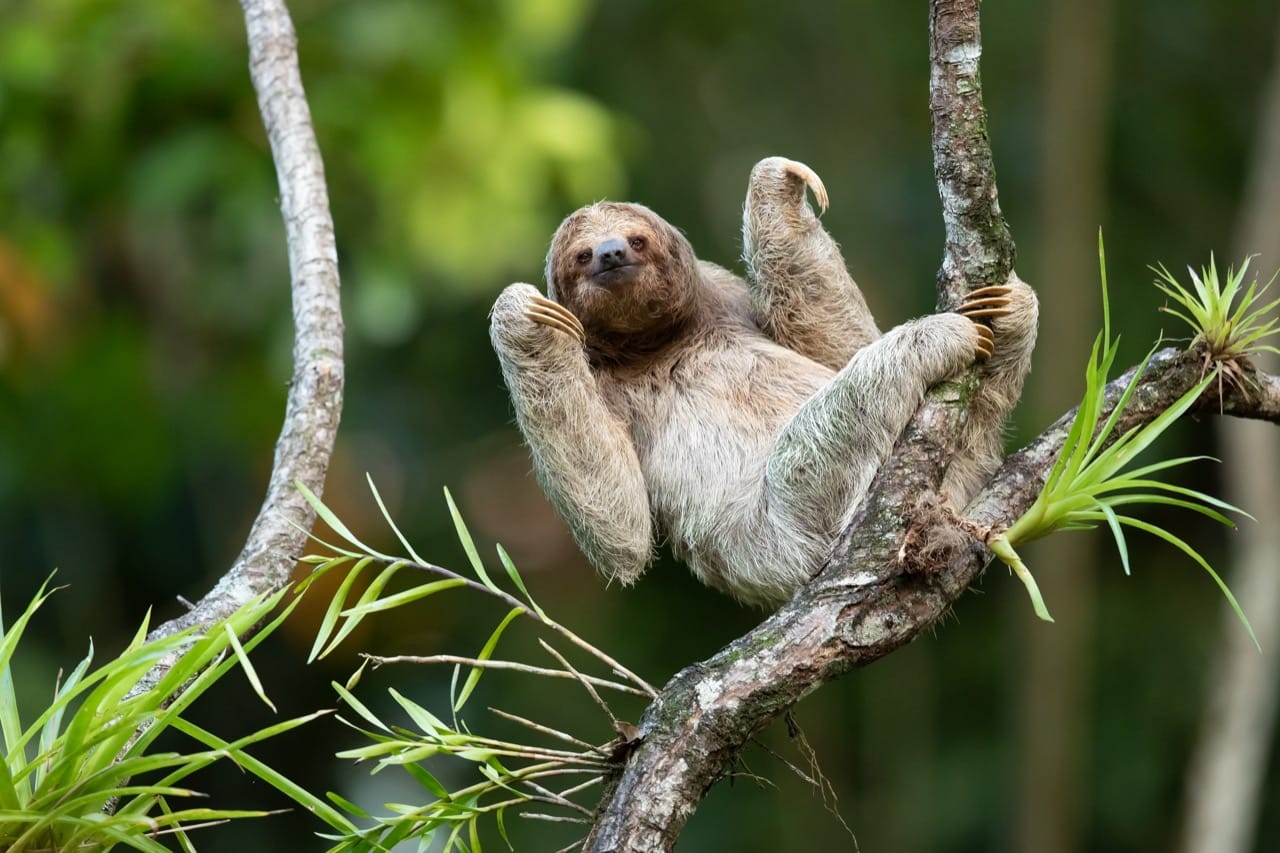
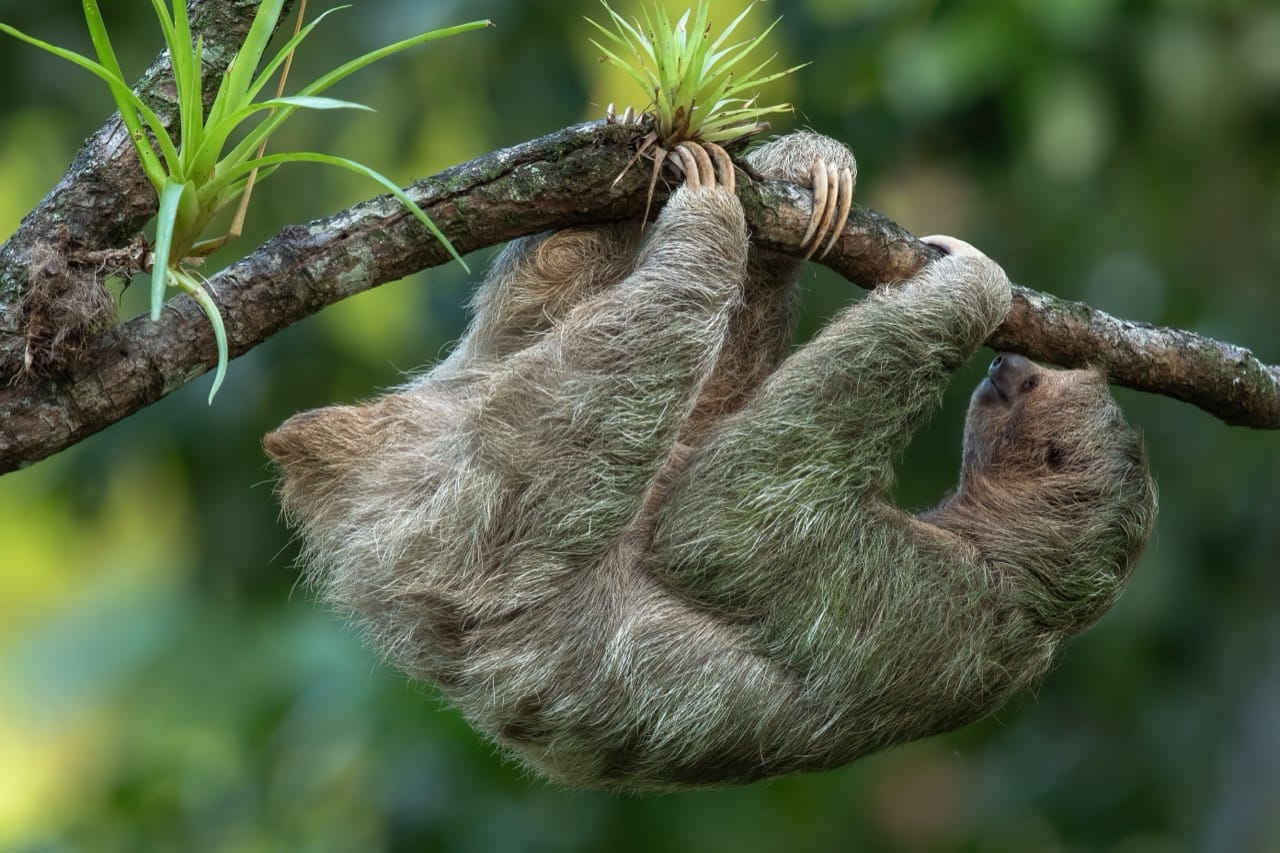
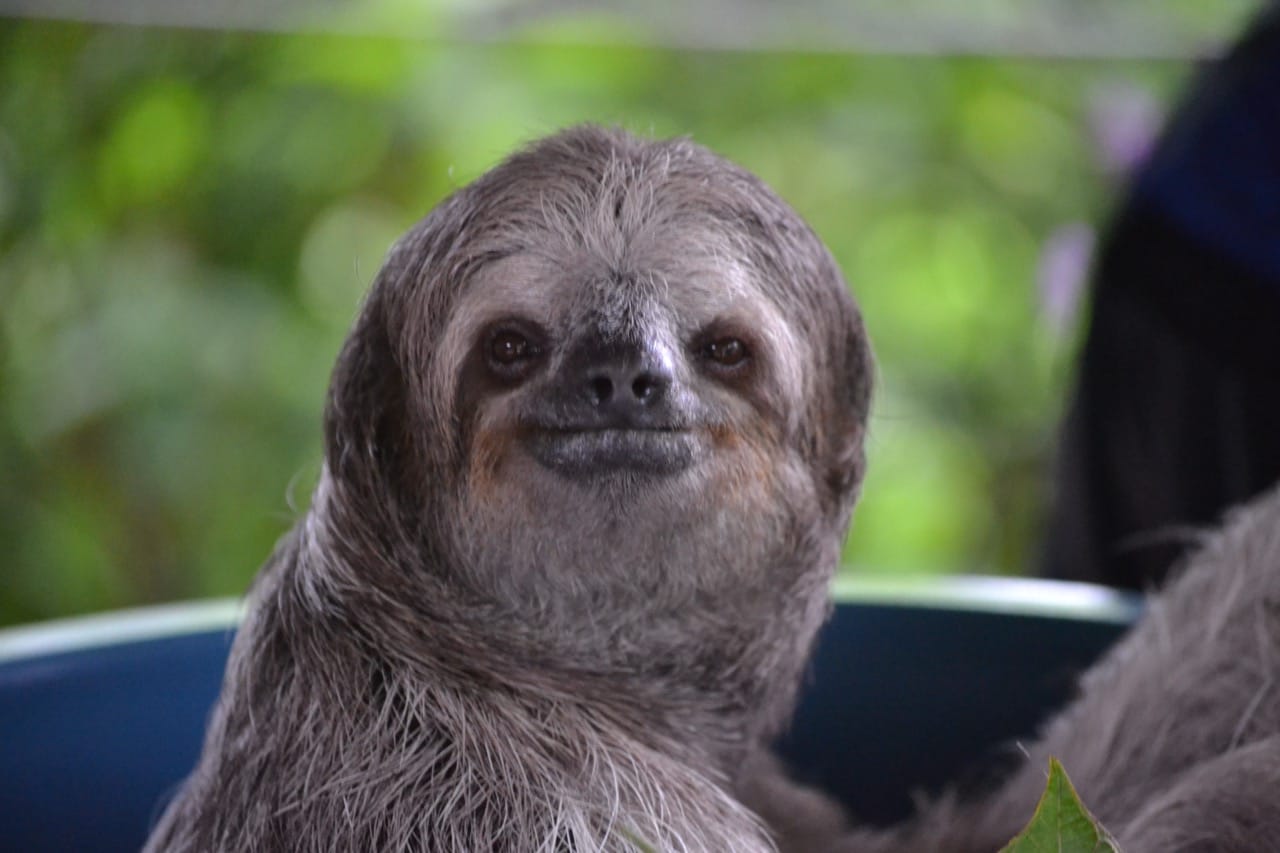
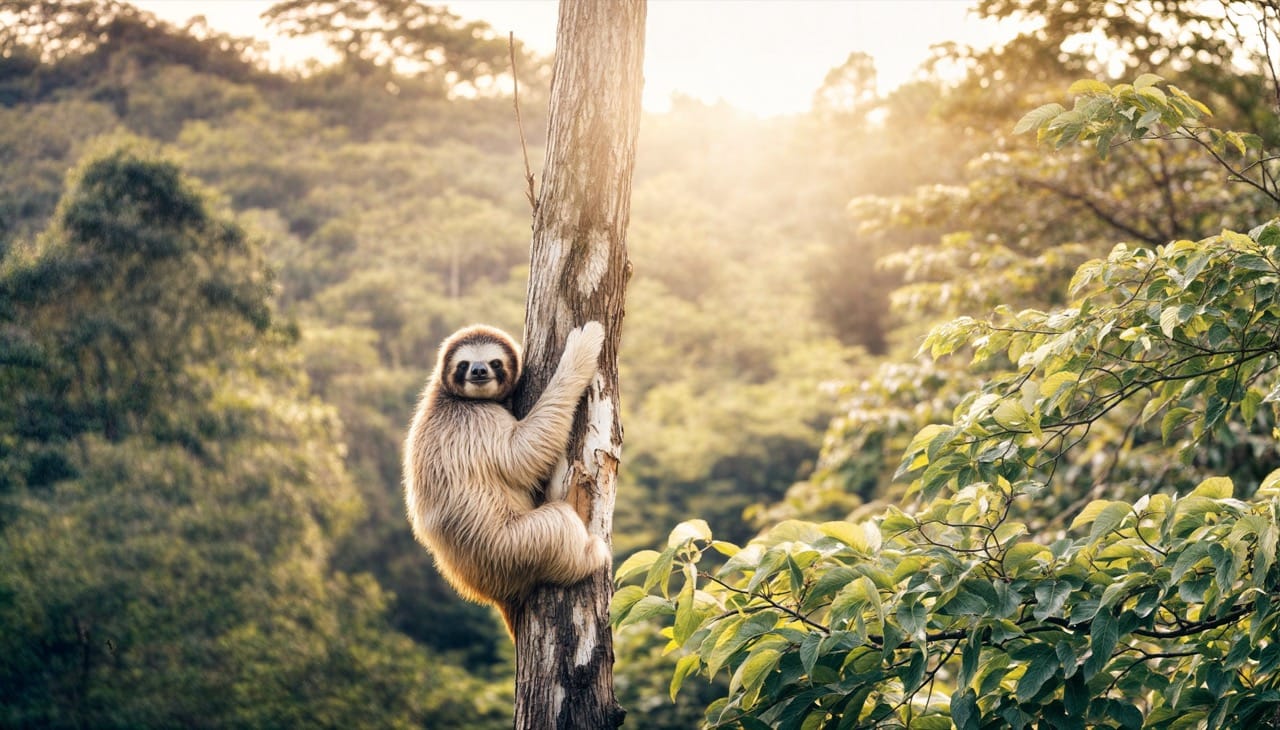
Sloths have a reputation for doing almost nothing, and in a way that is their superpower. Living in the canopies of Central and South American forests, they spend most of their lives hanging upside down, moving slowly between branches and conserving energy with a lifestyle built around patience. That unhurried pace is not laziness so much as a solution to a difficult diet. Many sloths eat mostly leaves, which are low in calories and hard to digest. To make that work, a sloth’s body runs on a low-energy budget: a slow metabolism, reduced muscle mass compared with similarly sized mammals, and a multi-chambered stomach full of microbes that break down tough plant fibers. Digestion can take days, and their body temperature can fluctuate more than you might expect for a mammal, helping them avoid spending extra energy on constant internal heating.
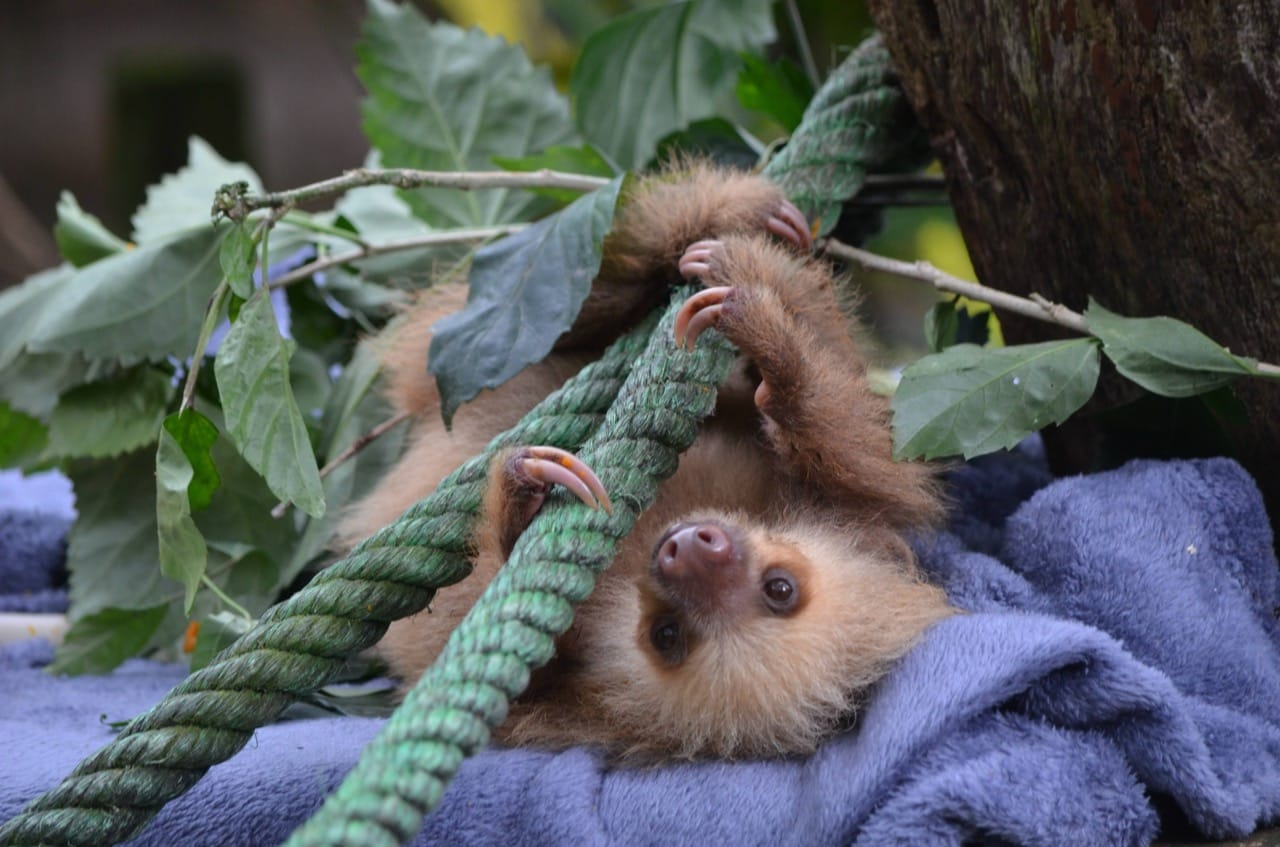
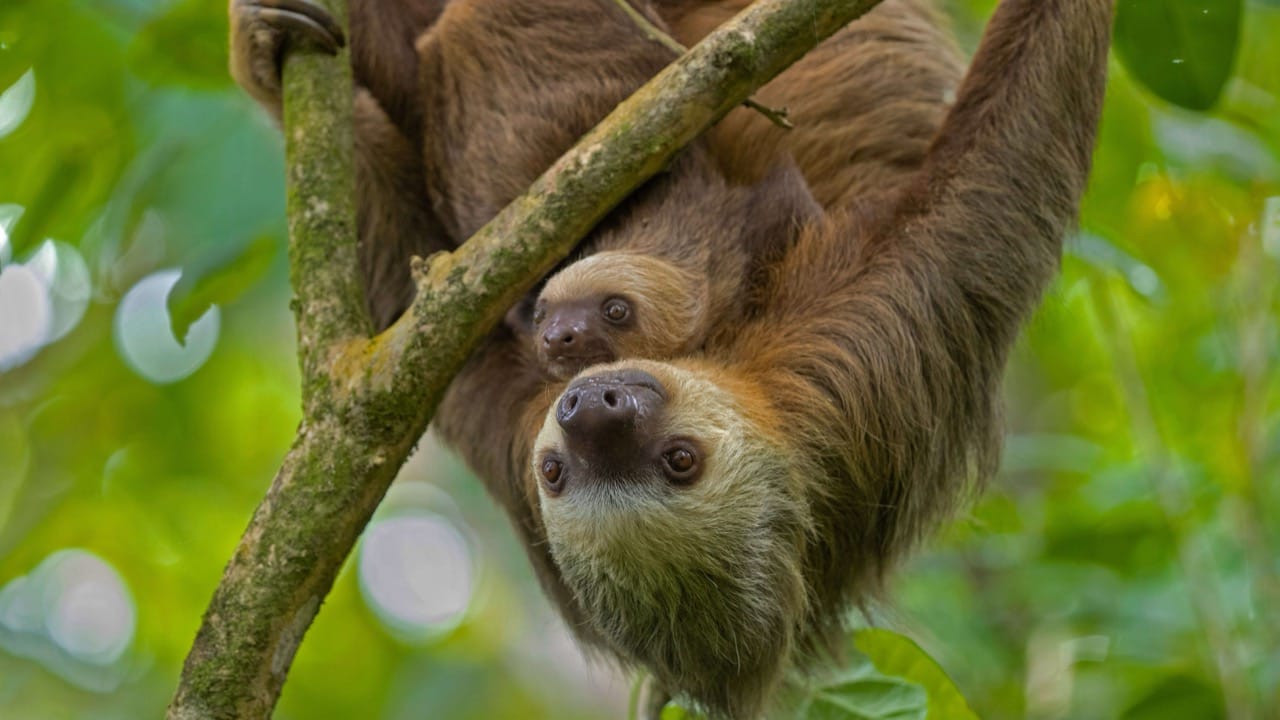
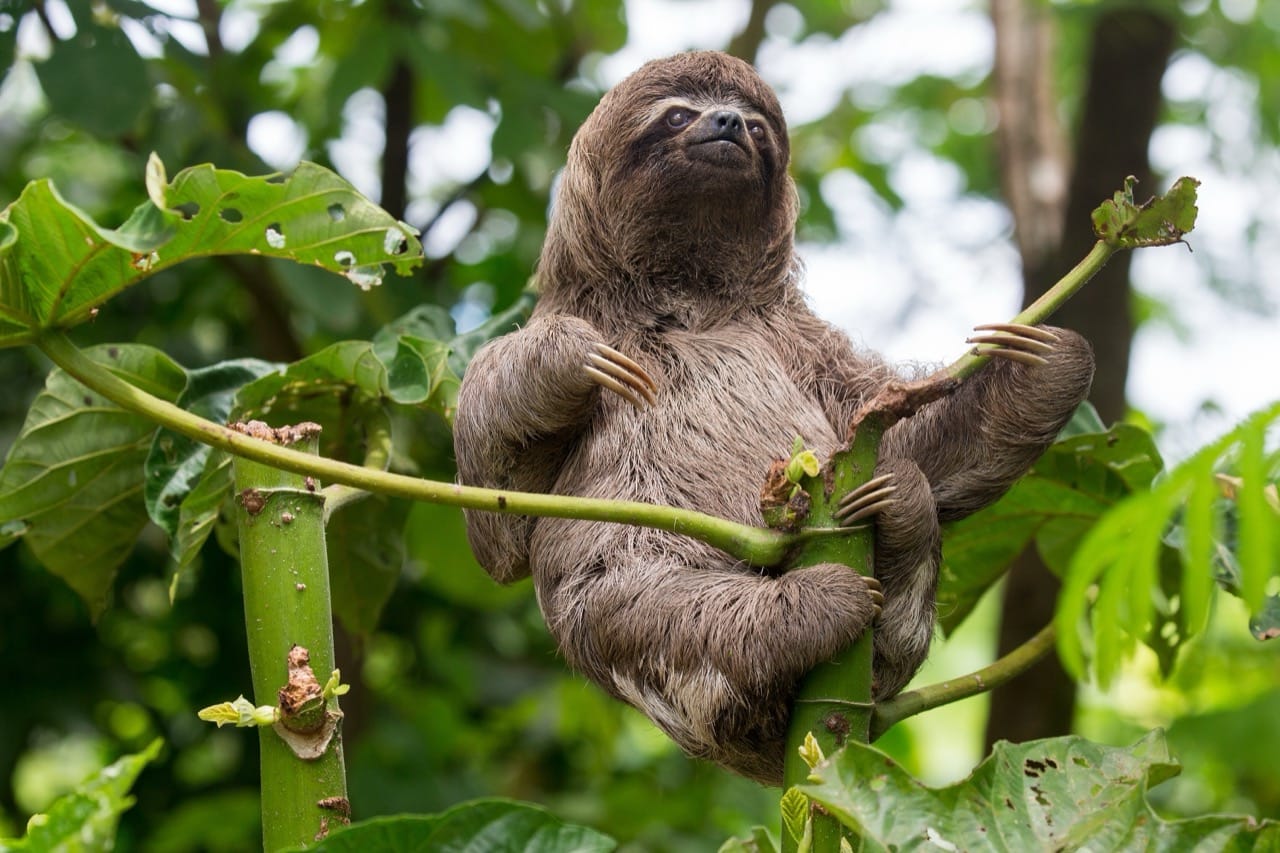
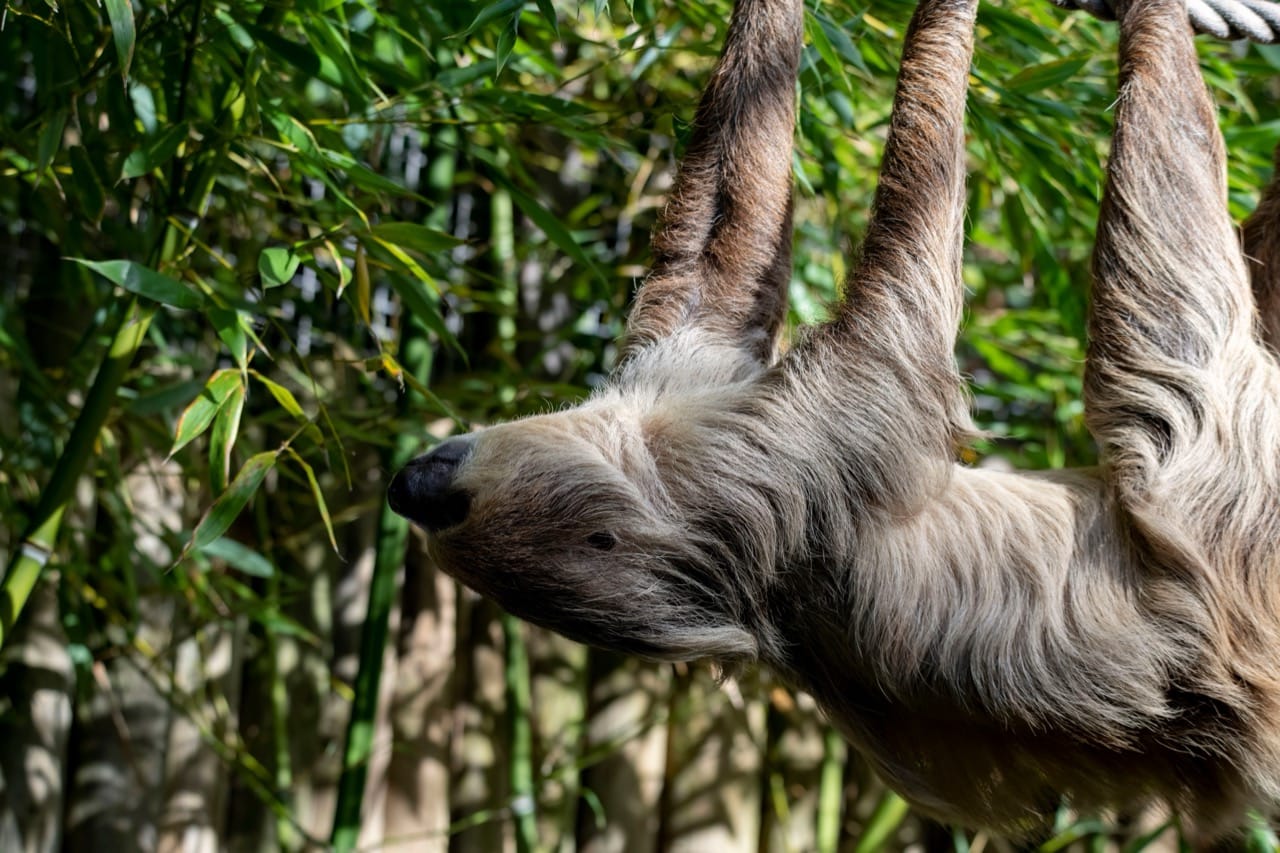
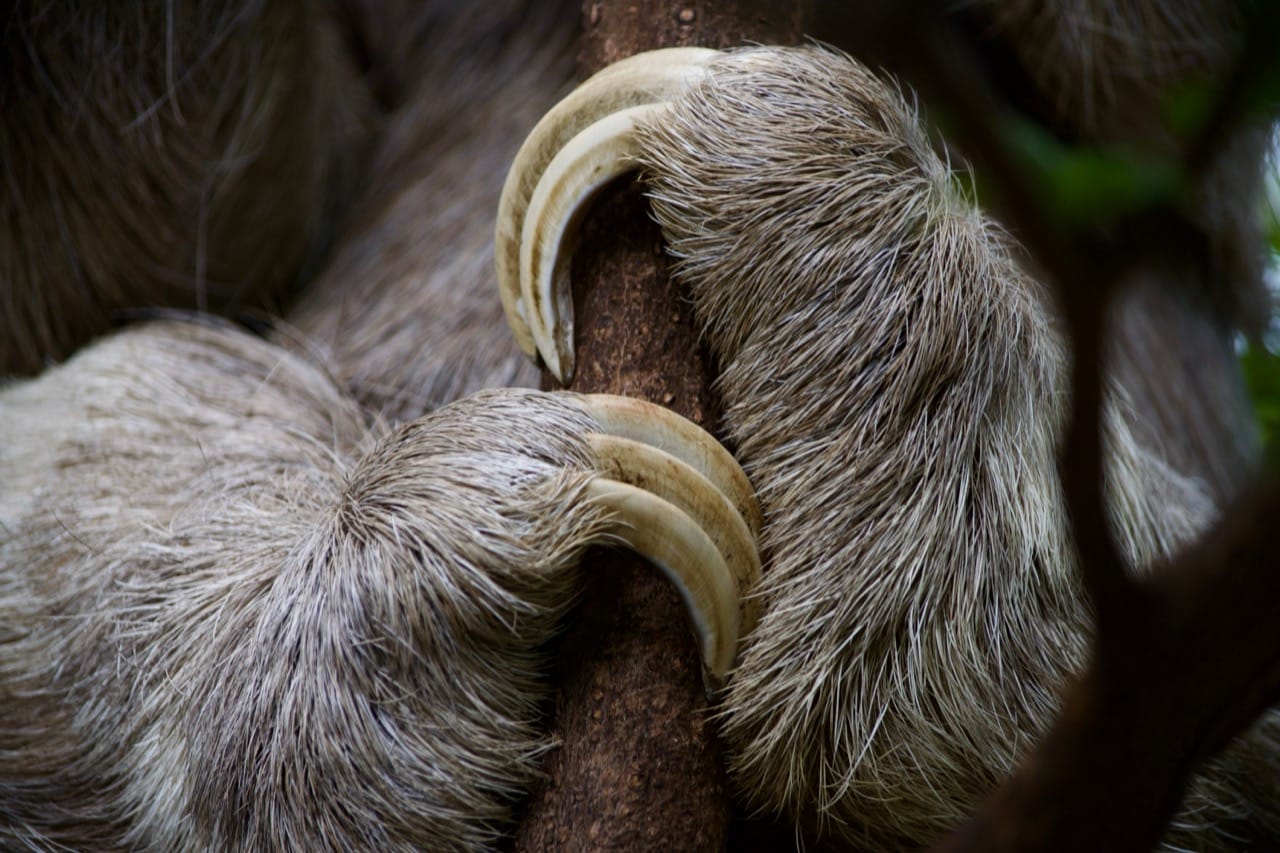
There are two main groups: two-toed sloths and three-toed sloths, and the names can be misleading. Two-toed sloths actually have three toes on their hind feet, while three-toed sloths have three toes on the back and three fingers on the front. They also differ in behavior and anatomy. Three-toed sloths tend to be more strictly tied to a leaf-based diet and are famous for their slow, careful movements. Two-toed sloths are often more flexible eaters, adding fruit or even small animals on occasion. Both groups have long limbs and curved claws that act like natural hooks, letting them hang with less effort than standing or walking would require. Their fur grows in the opposite direction of most mammals, parting from belly to back so rain can run off when they are upside down.
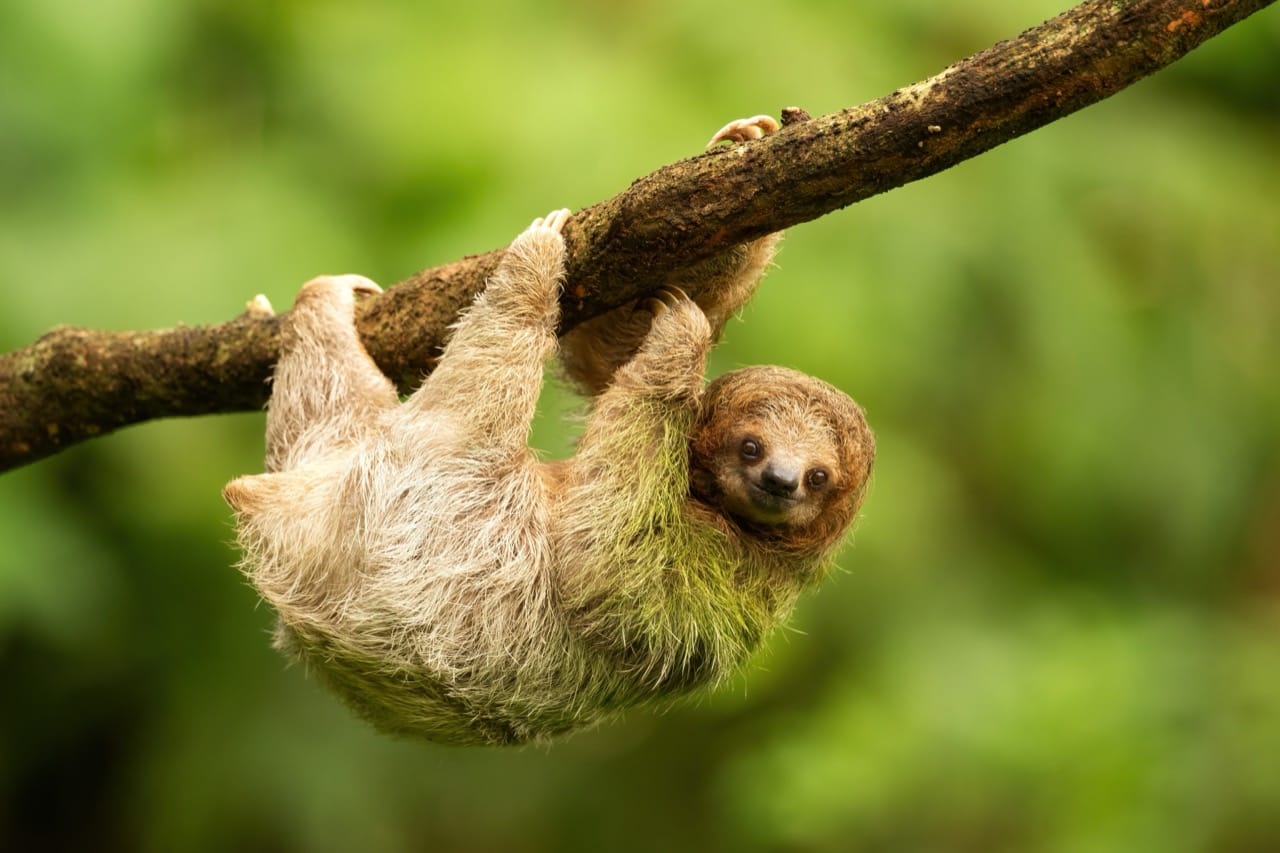
The most surprising part of sloth life is how many other organisms depend on them. Many sloths carry a greenish tint, not because their hair is naturally green, but because algae can grow in the grooves of their fur. In a wet, sun-dappled canopy, that algae can thrive, turning the sloth into a moving garden. The payoff is camouflage: the green cast helps break up the sloth’s outline among leaves and moss, making it harder for predators to spot. And predators are real threats. Harpy eagles and other large raptors can take sloths from the treetops, while jaguars, pumas, and large snakes may attack from below or along branches.
Then there are the moths, the sloth’s strangest sidekicks. Certain moth species live in sloth fur, using it as shelter and transportation. Their relationship becomes especially odd during the sloth’s regular trips to the forest floor to defecate, which typically happen about once a week. This is one of the riskiest parts of a sloth’s routine, because descending and climbing back up exposes it to predators. For the moths, however, the trip is essential: they leave the sloth to lay eggs in the fresh dung. After the larvae develop, adult moths emerge and fly up to find another sloth. Some researchers suggest a broader nutrient loop may be at work, where moths help fertilize algae growth in the fur, and the sloth may benefit indirectly through better camouflage. Even if every detail is still being investigated, it is clear that sloths are not solitary creatures in an ecological sense. They are miniature habitats.
Sloths also come with trade-offs that make their biology unusually specialized. Their slow movement can help them avoid detection, but it limits their ability to escape quickly. Their muscles and bones are adapted for hanging, not for running. Even their behavior reflects energy conservation: long sleep times, minimal travel, and careful, deliberate motion. Yet this strategy has worked for millions of years, proving that survival is not always about being fast or fierce. In the sloth’s world, the winners are sometimes the ones who move slowly, host a whole community in their fur, and turn a treetop life into a quiet network of hidden connections.