Quokka Lab Notes and Gadget Facts Quiz
Quiz Complete!
Quokka Lab Notes and Gadget Facts: How Scientists Study a Famous Marsupial
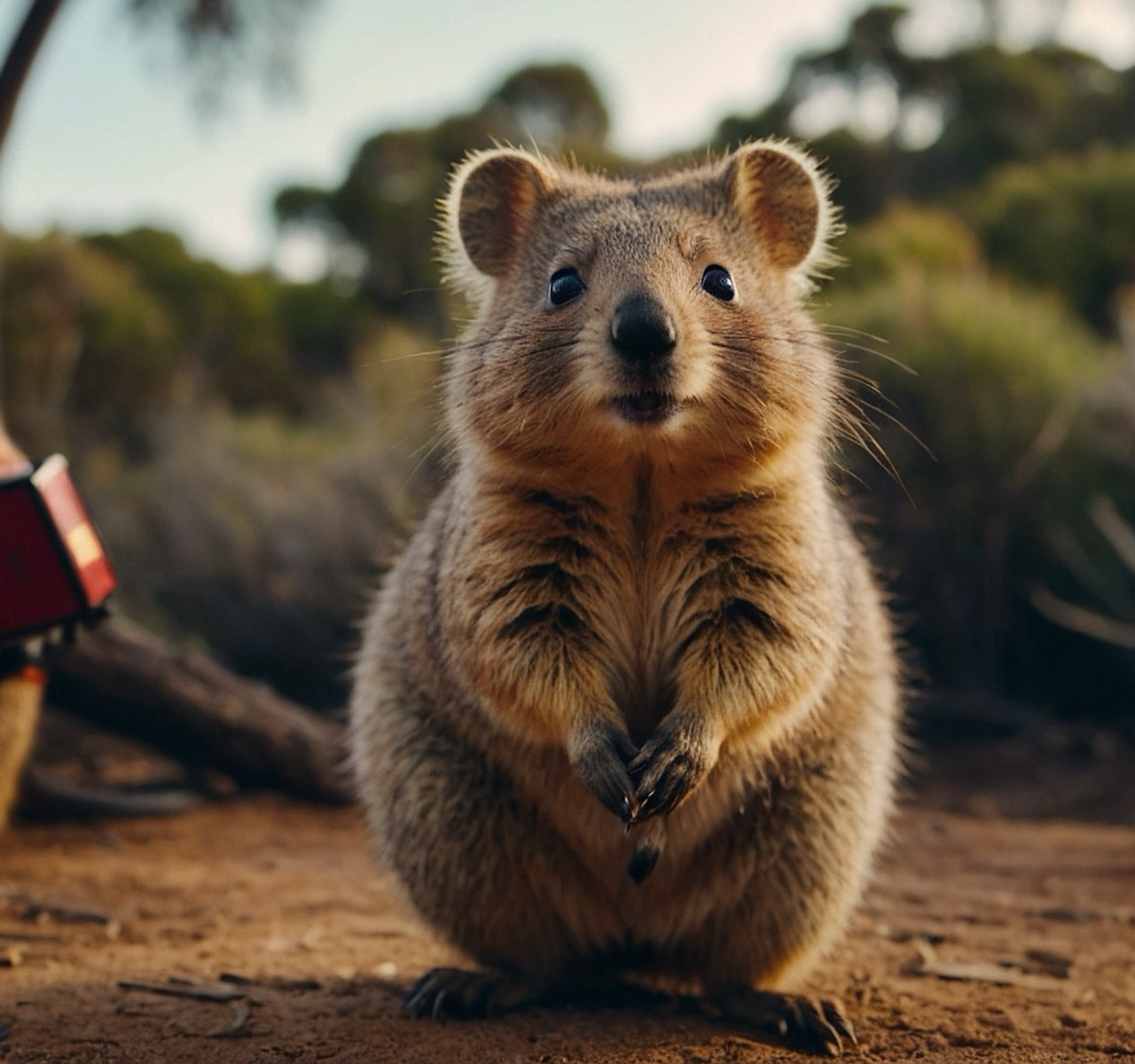
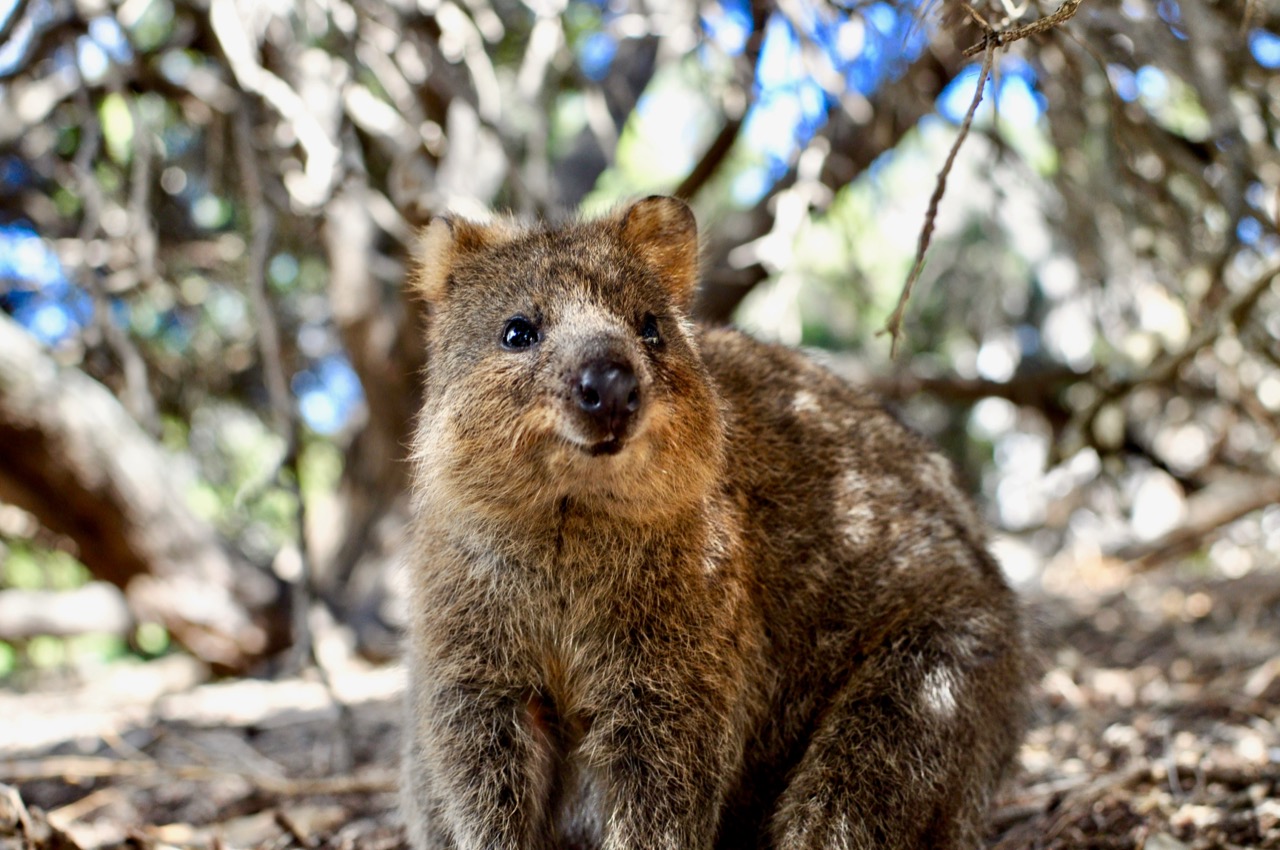
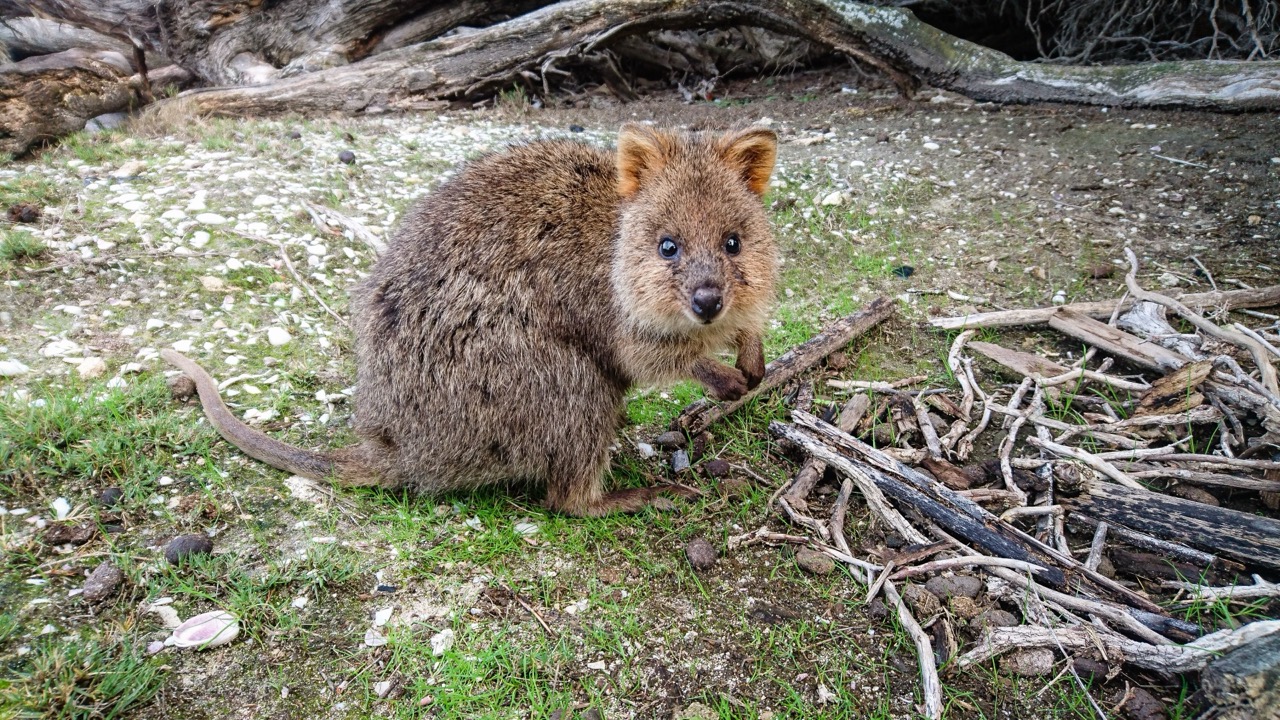
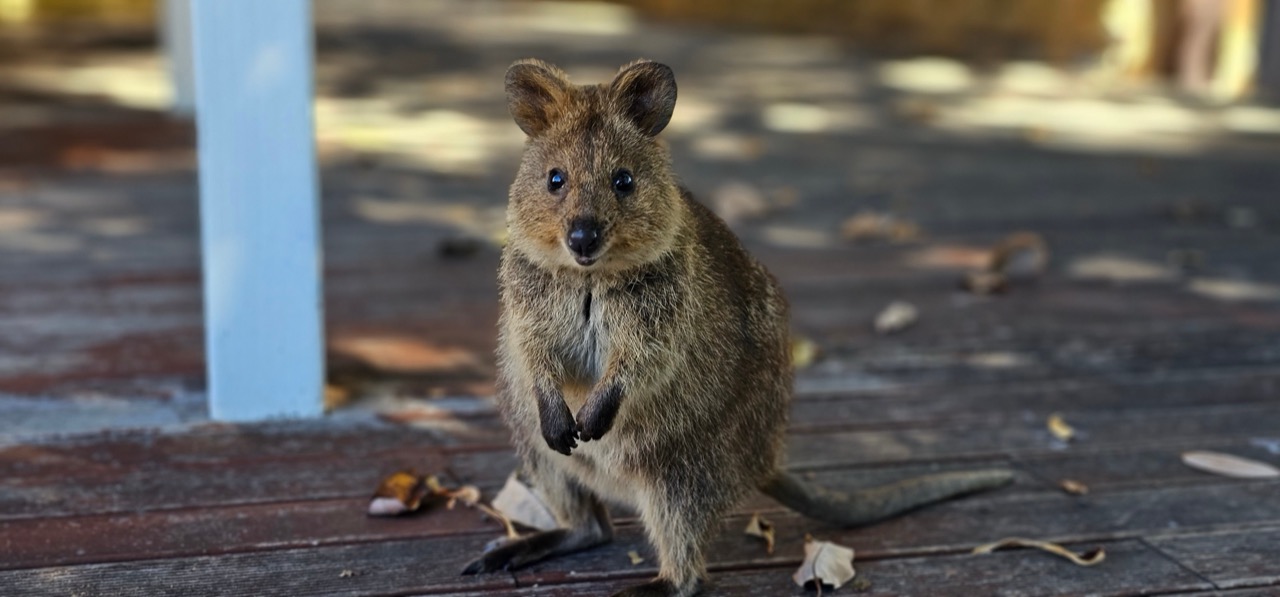
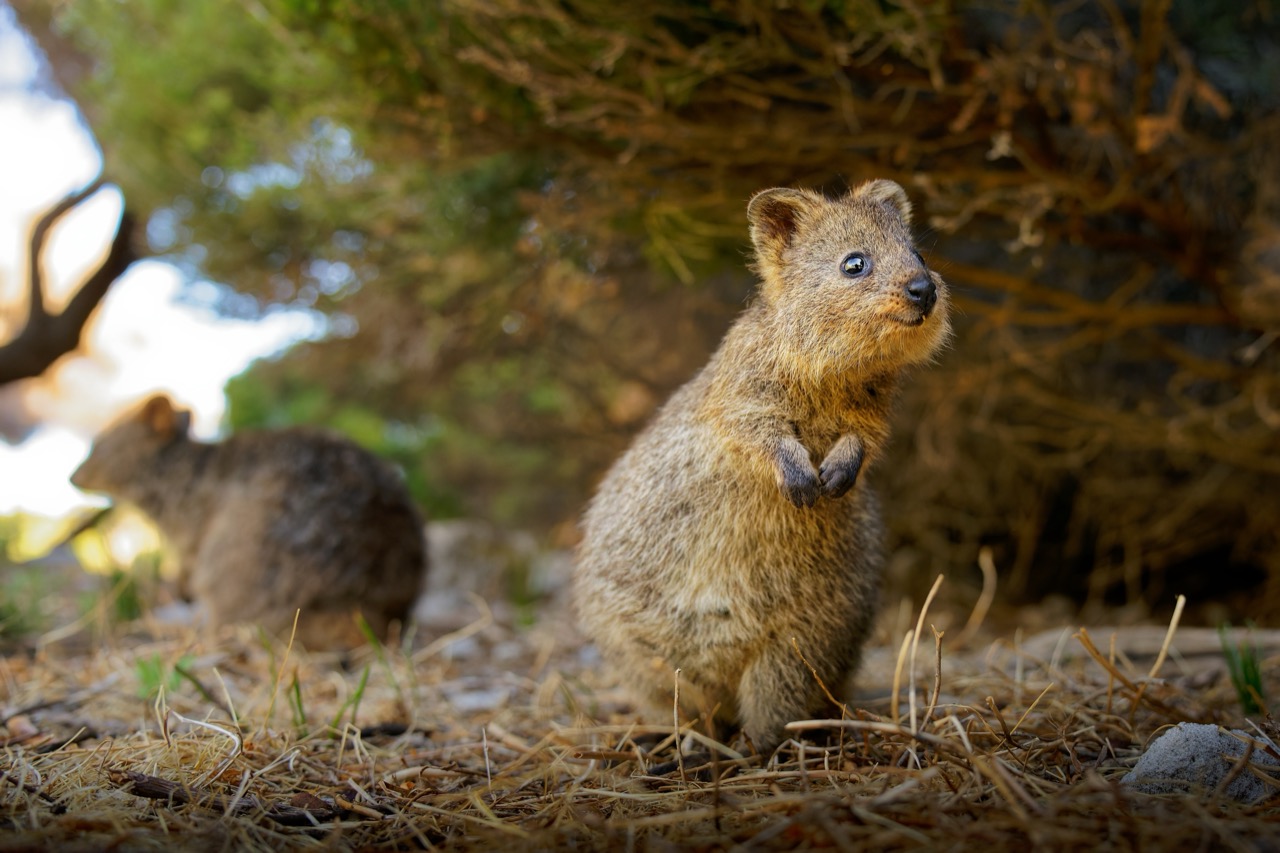
Quokkas may be best known for their camera friendly expressions, but their real appeal is how much they can teach us about survival, evolution, and modern wildlife research. These small marsupials are native to southwestern Australia, with their most famous stronghold on Rottnest Island near Perth, plus smaller island populations and scattered mainland pockets. Living on islands can reduce some threats, yet it also creates new challenges, like limited habitat and the risk that a single disease outbreak or extreme weather event could affect a large portion of the population.
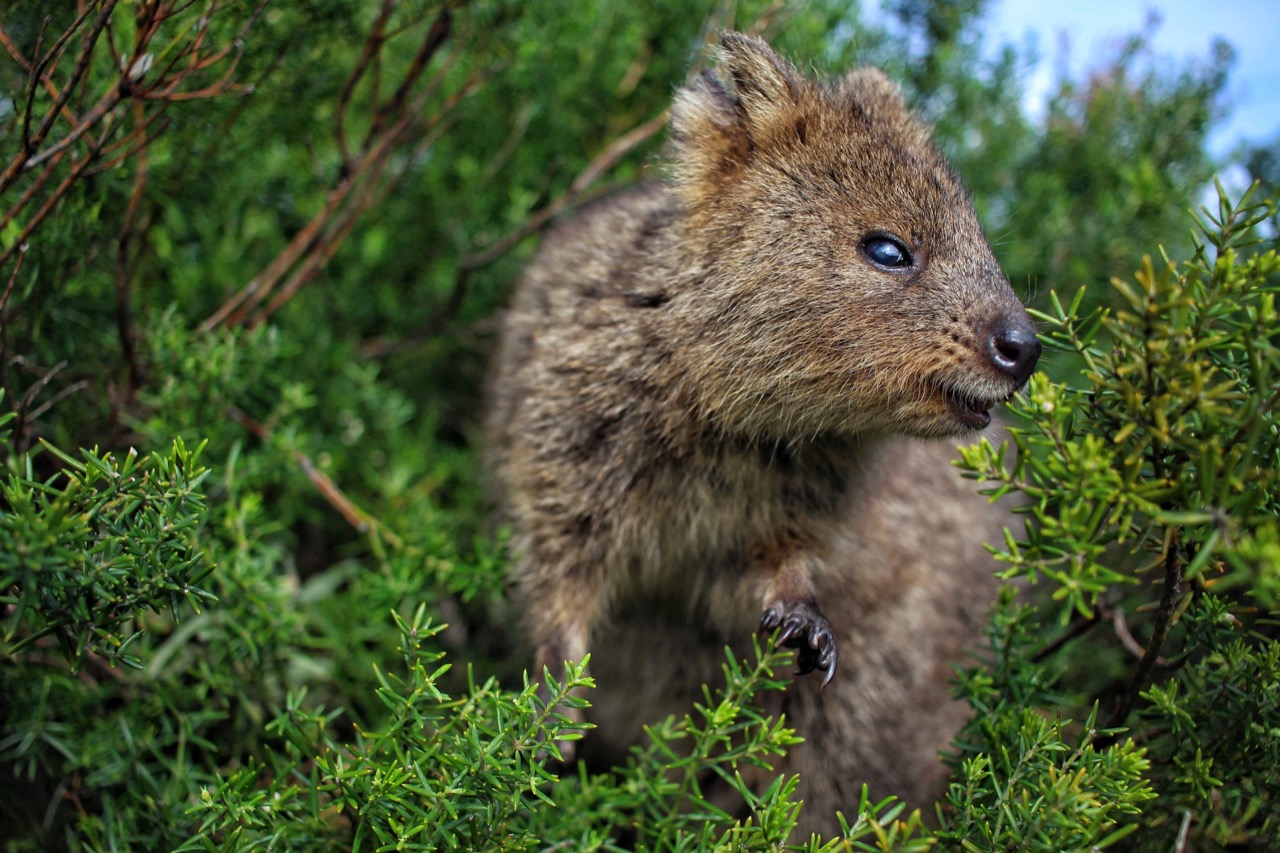
As marsupials, quokkas give birth to very underdeveloped young that continue growing in a pouch. This strategy differs from most placental mammals and shapes their life history: mothers invest heavily after birth, and the timing of reproduction can be tuned to local conditions. Quokkas are mostly herbivores, browsing on leaves, grasses, and succulent plants. Their diet and behavior help them cope with hot, dry periods. They can obtain much of their water from the plants they eat, and they often rest in shaded vegetation during the hottest parts of the day to avoid overheating. On Rottnest Island, where freshwater can be scarce, these habits are especially important.
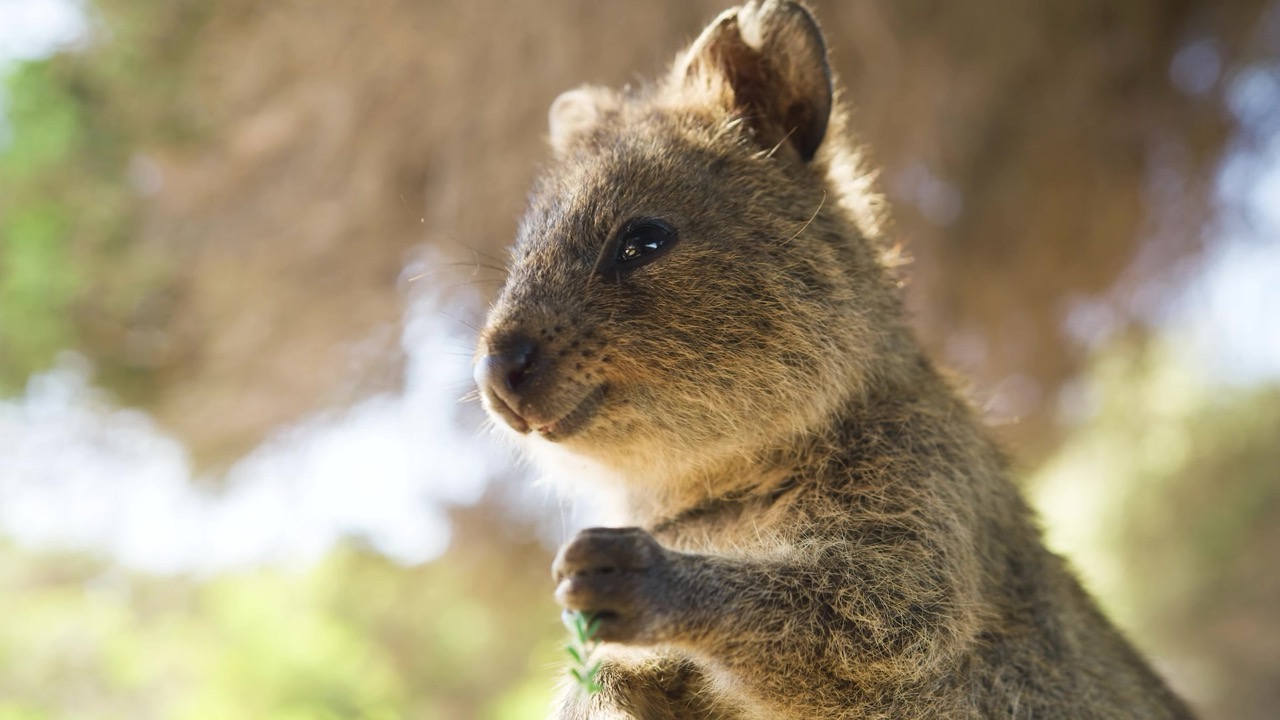
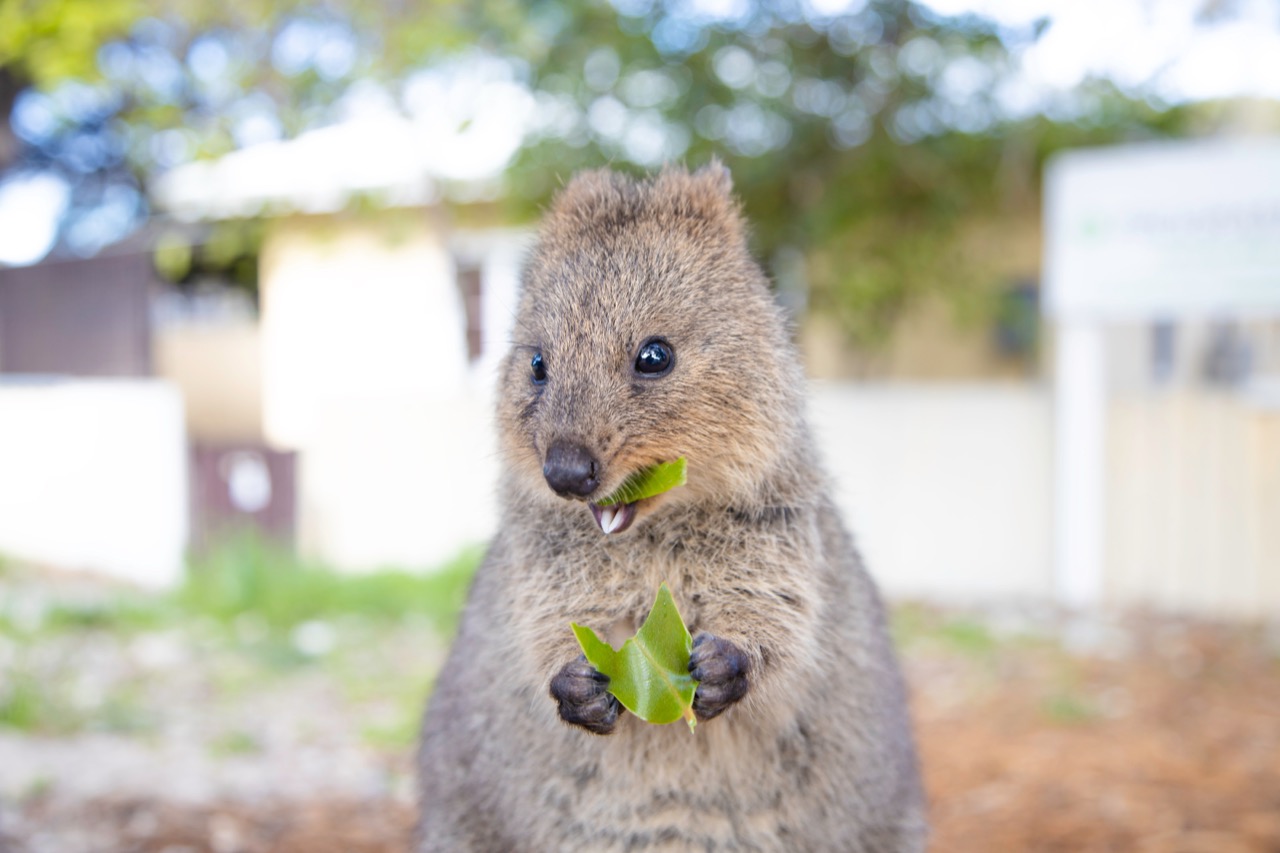
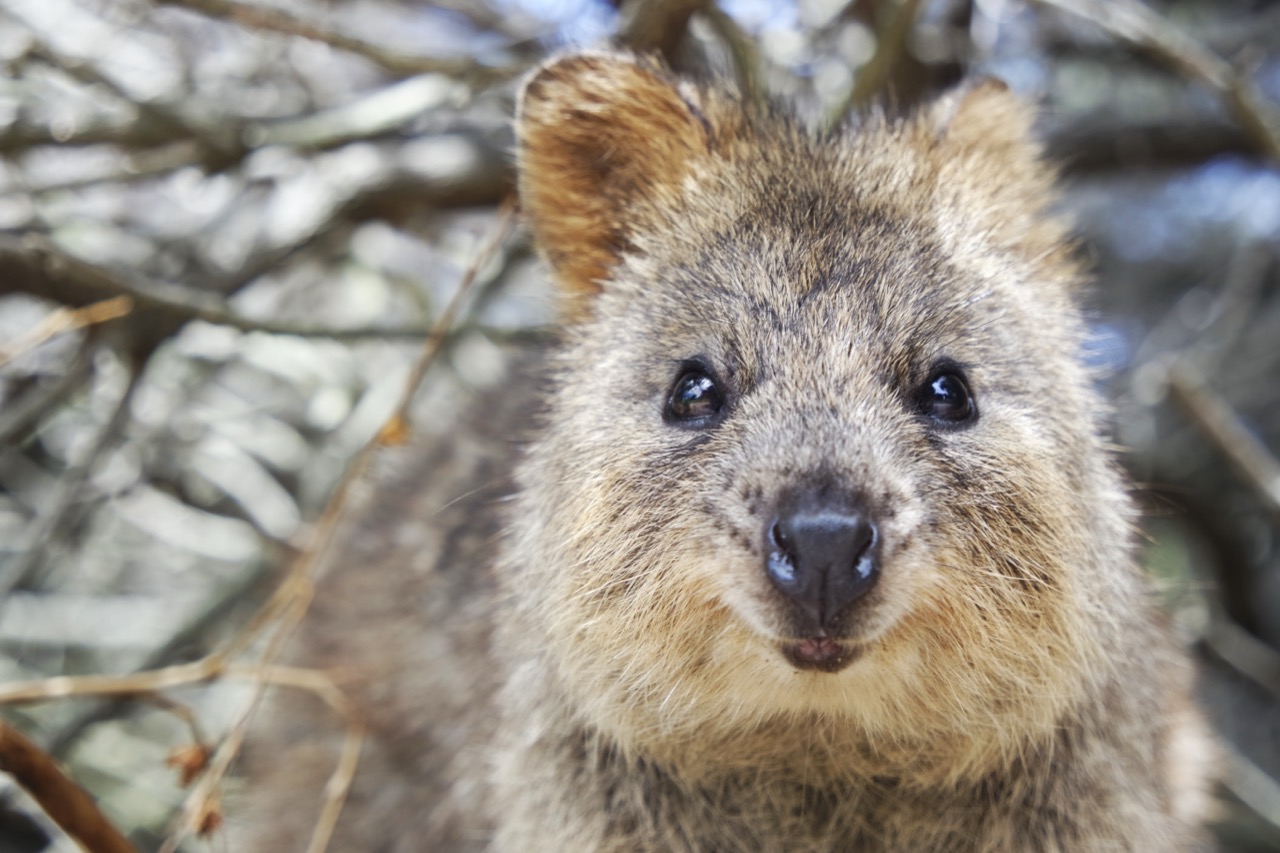
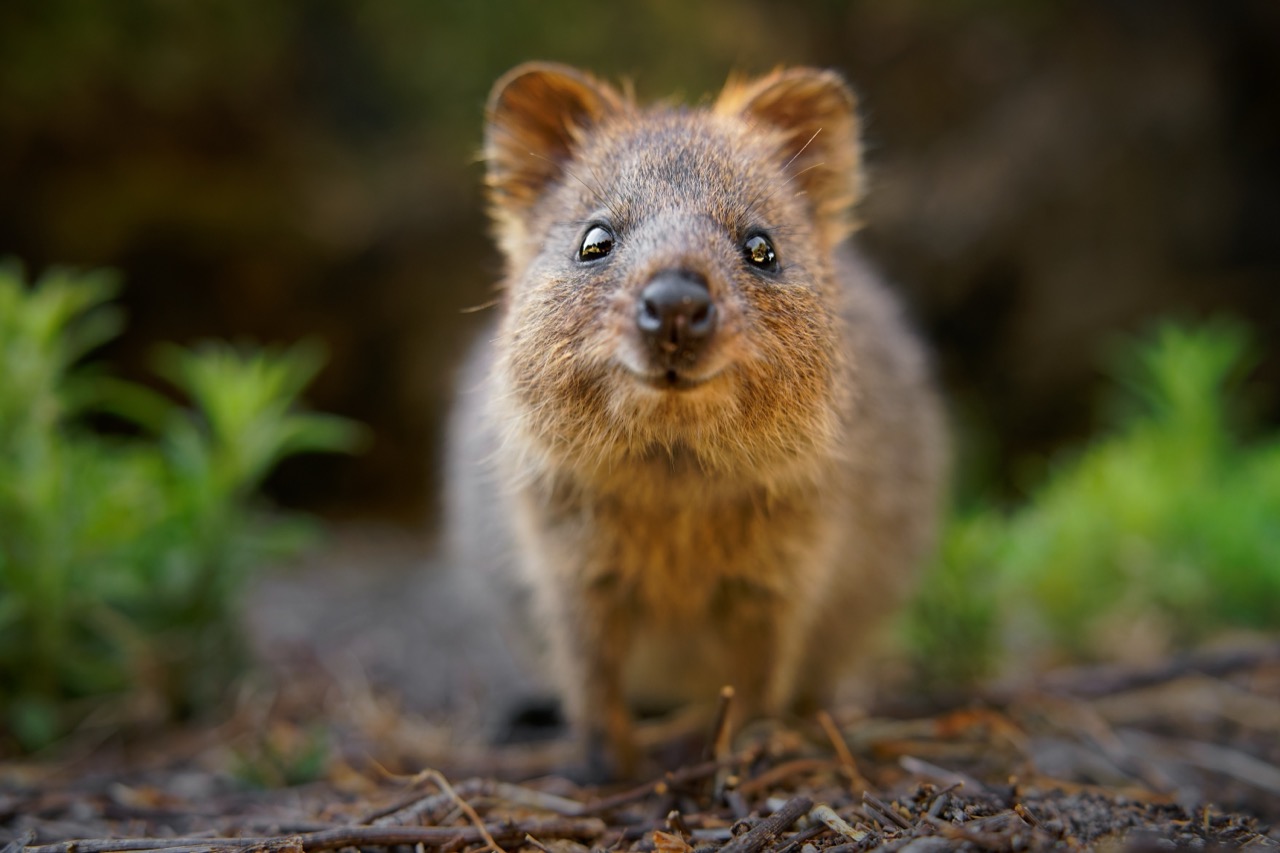
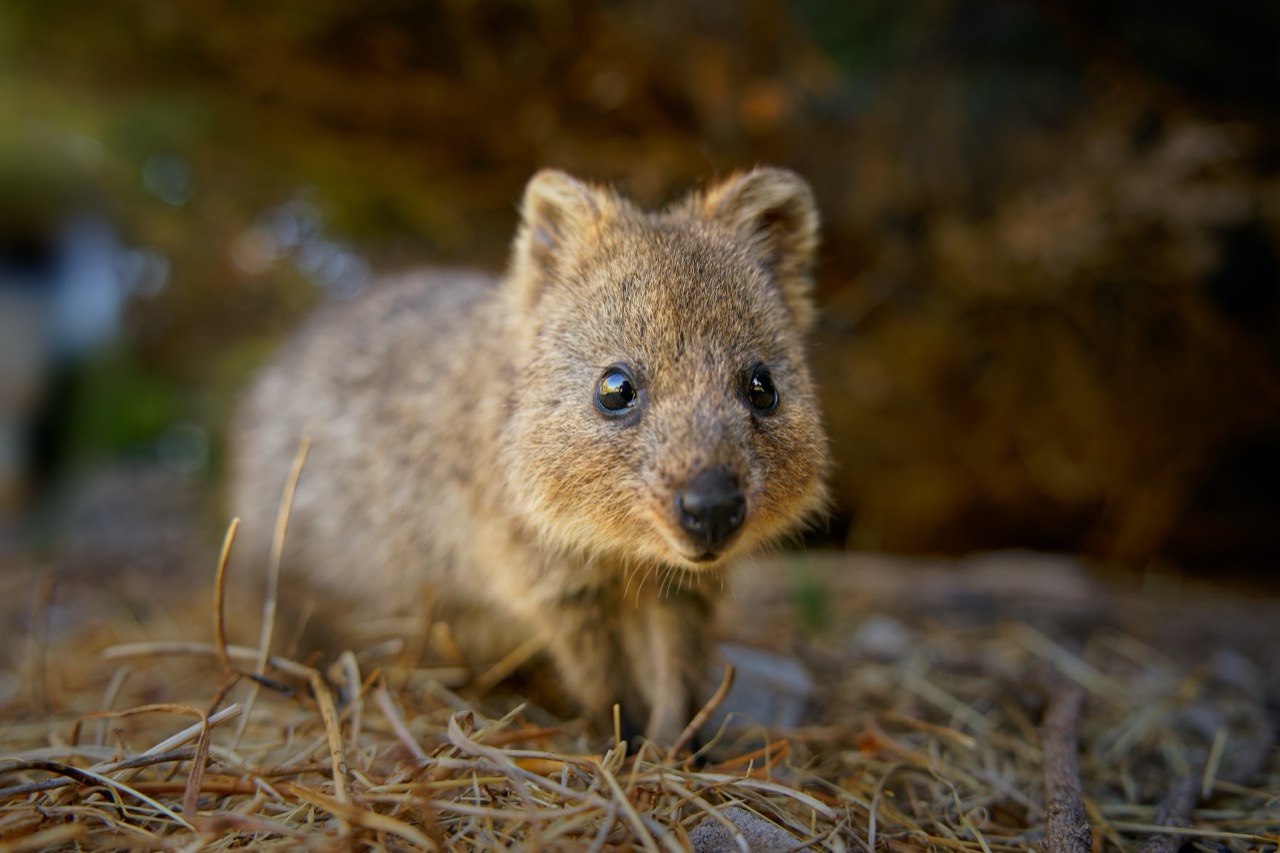
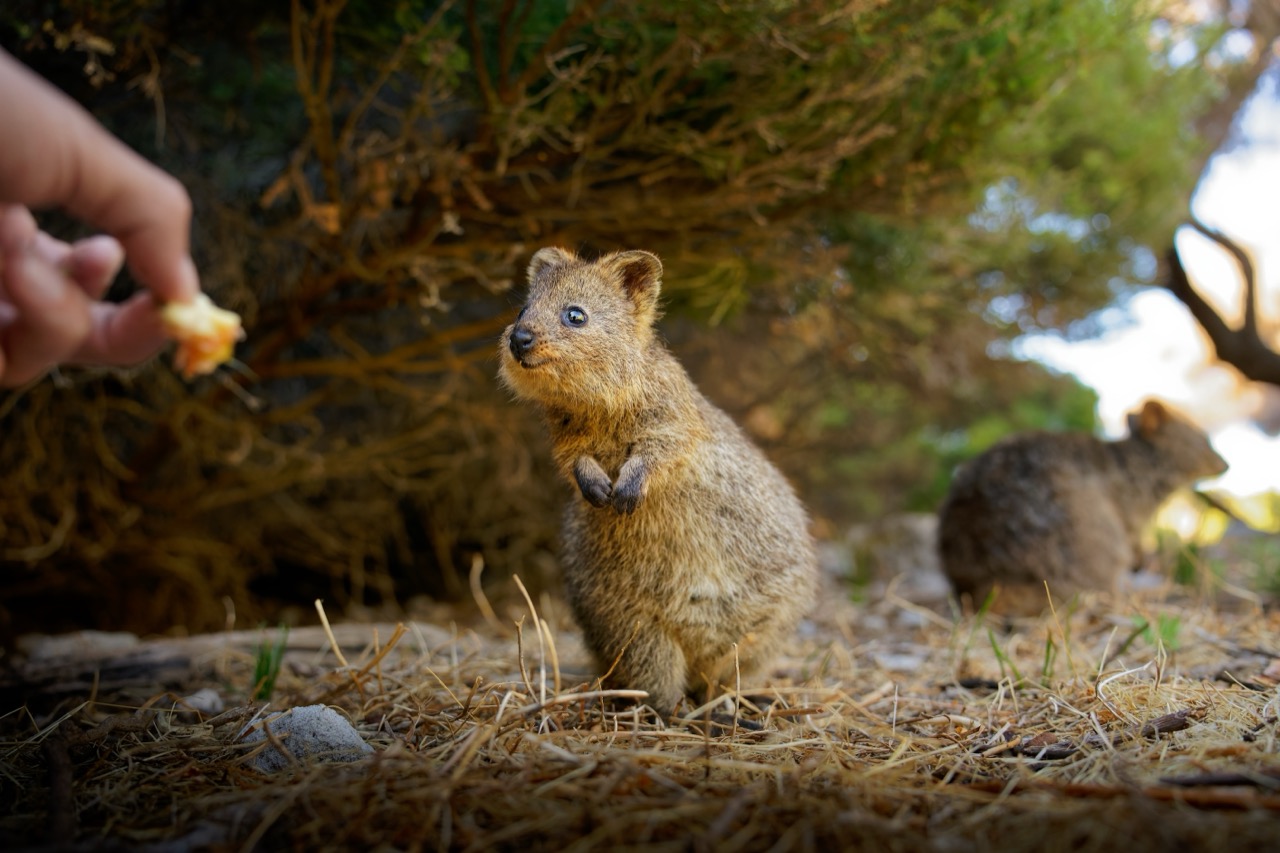
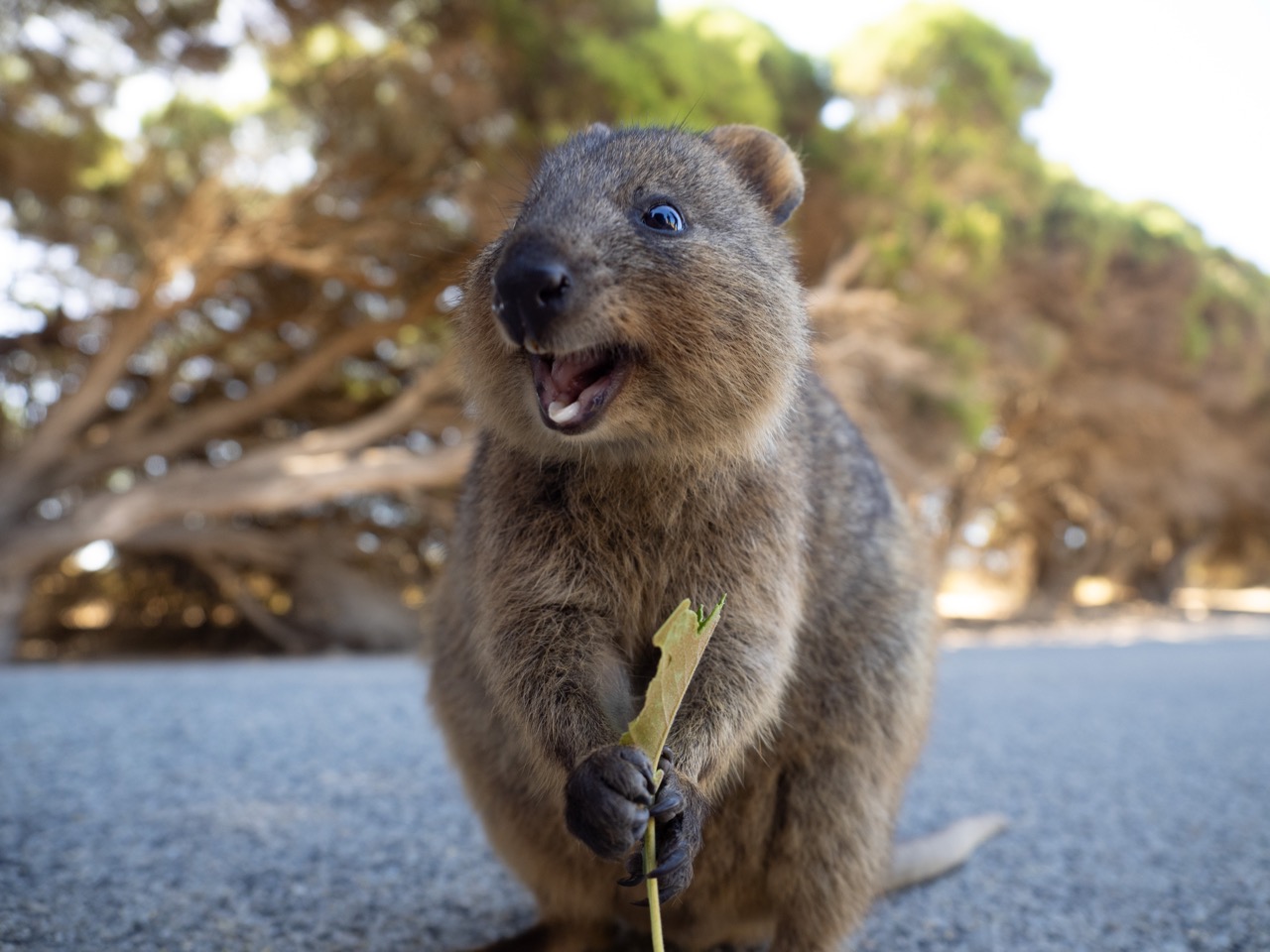
Internet fame has also created misconceptions. One common myth is that quokkas are always happy because they look like they are smiling. In reality, their facial structure simply gives that impression, and their behavior reflects normal animal priorities: finding food, avoiding danger, and raising young. Another misconception is that they are tame. Quokkas can appear bold around people, especially in tourist areas, but feeding or handling them can harm their health and alter their natural behavior. Human food can cause nutritional problems, and close contact increases the chance of disease transmission.
To separate myth from evidence, researchers rely on a toolkit of field methods. Camera traps are a cornerstone because they quietly record animals day and night, capturing behavior that humans would miss. These cameras help estimate population size, track breeding seasons, and detect predators. GPS collars or lightweight tracking tags can reveal home ranges, movement corridors, and how quokkas respond to heat, habitat changes, or human activity. Because any device can affect an animal, scientists design studies carefully, choosing equipment that is as light and safe as possible and monitoring individuals for stress.
Noninvasive genetics is another game changer. Instead of capturing animals repeatedly, researchers can collect shed hair, scat, or saliva from browsed plants and extract DNA. This allows them to measure genetic diversity, identify individuals, and understand how isolated populations are related. Genetic data can guide conservation decisions, such as whether certain groups need habitat connections or careful translocations to prevent inbreeding.
Health surveillance is increasingly important as climates shift and human wildlife contact grows. Field teams may test for parasites and infectious diseases using swabs or fecal samples, often paired with lab techniques like PCR that can detect tiny amounts of pathogen DNA. Combined with environmental data, these results can reveal patterns, such as whether heat stress correlates with higher disease risk.
All of this research feeds into practical conservation: protecting vegetation refuges, managing visitor behavior, controlling invasive predators on the mainland, and preparing for fire and heat waves. Quokkas are more than a viral photo opportunity. They are a living case study in how careful observation, smart technology, and respectful human choices can work together to keep a species thriving.