Hare-Raising Rabbit Scandals and Infamous Feuds
Quiz Complete!
Hare-Raising Rabbit Scandals and Infamous Feuds
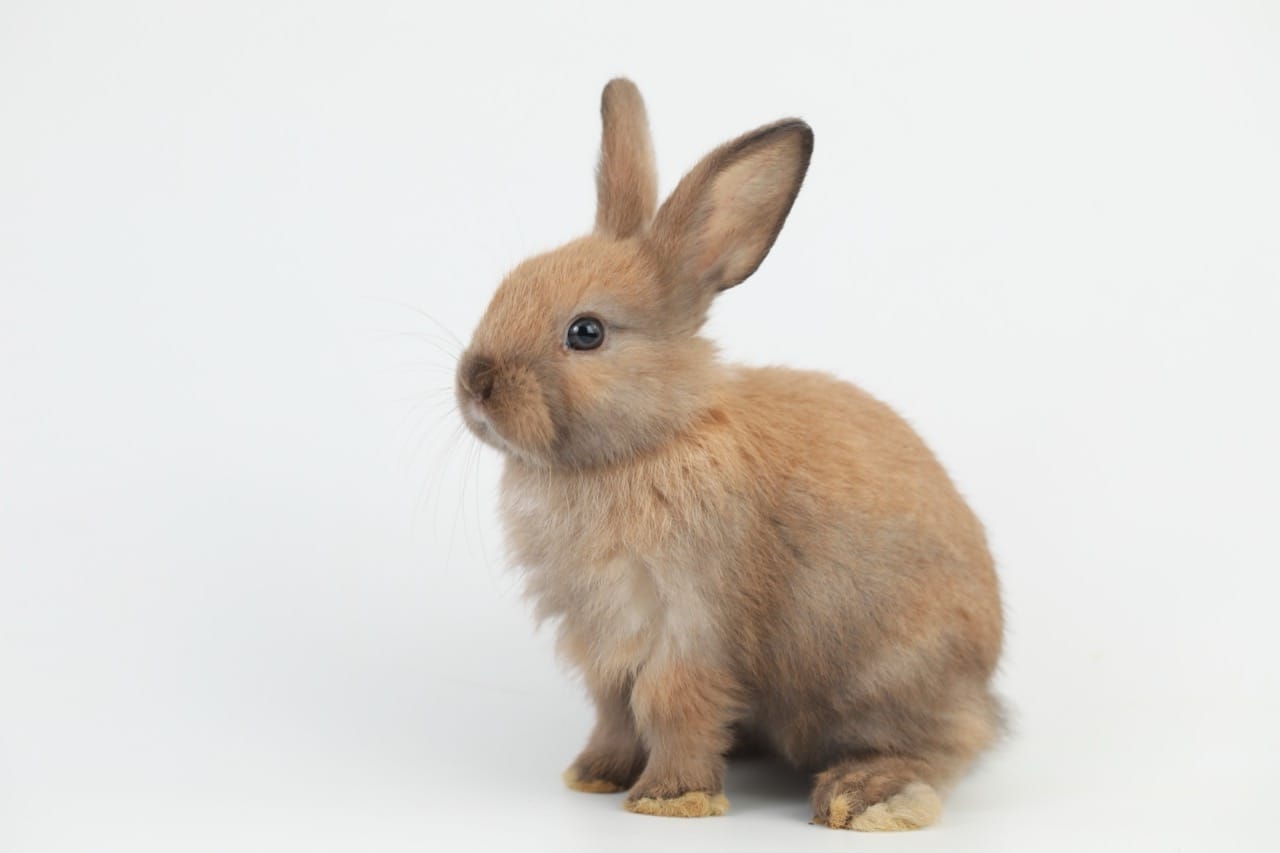
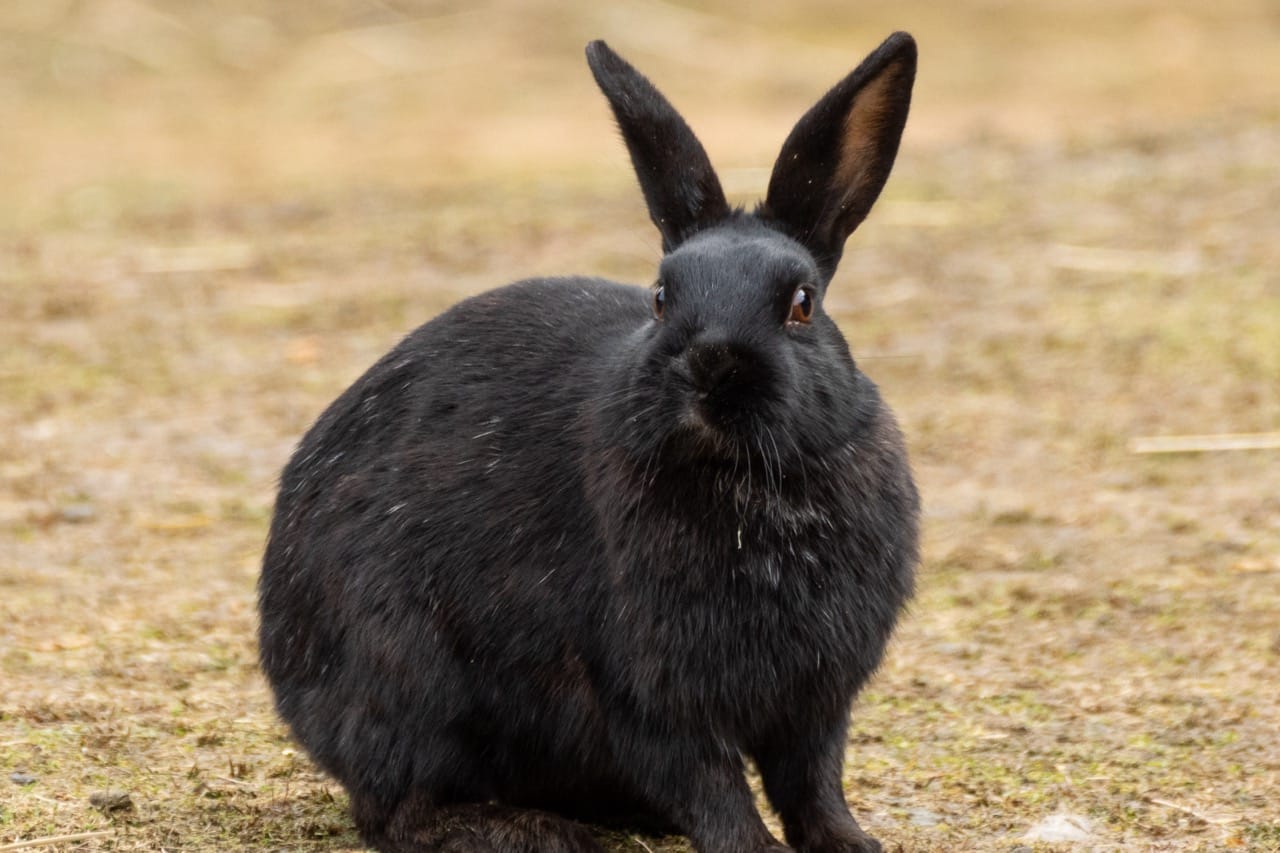
Rabbits have a reputation for being gentle, quiet, and harmless, yet they keep turning up at the center of disputes that mix politics, money, ethics, and public emotion. Part of the reason is symbolism. A rabbit can represent innocence in a children’s story, a pest in a farmer’s field, a product in a laboratory, or a celebrity prop on a film set. When a rabbit becomes the face of a larger conflict, the arguments can get surprisingly intense.
Some of the biggest rabbit controversies are rooted in invasion biology. European rabbits were introduced to Australia in the 1800s and multiplied into one of the country’s most damaging invasive species, chewing through vegetation, worsening erosion, and competing with native wildlife. Efforts to control them have repeatedly sparked public fights. Fences were built, bounties offered, and later biological controls were deployed. The release of rabbit viruses such as myxomatosis in the 1950s and rabbit hemorrhagic disease decades later became lightning rods for debate about cruelty, ecological necessity, and unintended consequences. Similar arguments have played out in other places with feral populations, where animal advocates push for nonlethal management while land managers argue that native ecosystems cannot wait.
Rabbits also appear in conservation controversies that are less obvious. In parts of Europe, rabbit declines due to disease and habitat change have threatened predators that rely on them, such as the Iberian lynx. That creates a strange reversal: in one region rabbits are a destructive invader, while in another they are a keystone prey species worth protecting. These competing narratives can confuse the public and fuel local feuds over hunting, restocking, and land use.
Entertainment has produced its own rabbit scandals, often tied to animal welfare. Rabbits used in photo shoots, commercials, and film sets can suffer from stress, mishandling, or poor housing, and even a single incident can lead to investigations and reputational damage. Industry oversight varies by country, and when problems are exposed, they can change rules for trainers, transport, and on-set monitoring. Even when no law is broken, public backlash can be fierce because people see rabbits as especially vulnerable.
The laboratory is another arena where rabbits have become symbols. Rabbits have long been used in biomedical research and product safety testing, including historical eye irritation tests that helped drive the modern animal welfare movement. Over time, pressure from scientists, regulators, and advocacy groups has led to major changes: better anesthesia and analgesia practices, stricter ethical review, and a growing push toward non-animal alternatives like cell-based assays and computer modeling. These shifts are not just moral debates; they affect how companies prove safety, how quickly products reach the market, and how regulators balance innovation with public protection.
Everyday life can be just as dramatic. Disputes over rabbits in housing complexes, city parks, and neighborhoods often turn into legal and social battles about nuisance laws, feeding bans, and pet limits. A small colony of dumped domestic rabbits can trigger arguments between residents who want them removed, volunteers who want them rescued, and officials who worry about disease and costs. Rabbit hoarding cases can also make headlines, revealing how quickly good intentions can collapse into neglect when breeding gets out of control.
Pop culture adds another layer, because rabbits are used as mascots and metaphors. When a rabbit becomes a logo, a costume, or a viral story, it can stand in for larger anxieties about consumerism, exploitation, or environmental damage. That is why rabbit controversies often feel bigger than the animal itself. Beneath the fluff is a pattern: rabbits sit at the crossroads of human values, and when those values clash, the fallout is anything but quiet.