Fur Before Us Mammals Through Deep Time

Mammals feel familiar, but their story is anything but ordinary. This quiz traces the long road from tiny, shrew-like survivors living in the shadow of dinosaurs to the astonishing variety of mammals alive today. Along the way you will run into early mammal relatives with reptile-like jaws, fossils that reveal when warm-blooded traits may have taken hold, and the big evolutionary shake-ups that followed mass extinctions. Expect questions about where key fossils were found, how mammal features like three middle-ear bones and specialized teeth evolved, and why certain groups such as whales and bats took such surprising paths. Whether you are into paleontology, evolution, or just curious about why mammals are built the way they are, these questions will put your deep-time instincts to the test. Keep an eye on the timeline, and trust the teeth.
1
Which extinct whale ancestor had functional legs and is famously linked to early whale evolution in the Eocene?
2
What is the name of the tar pit site in Los Angeles famous for preserving many Late Pleistocene mammals such as dire wolves and saber-toothed cats?

3
During the Ice Ages of the Pleistocene, what term is commonly used for the large-bodied animals such as mammoths and giant ground sloths?
4
What distinctive mammalian feature evolved from jaw bones in early synapsids and is critical for hearing?
5
What is the correct term for mammals that give birth to relatively undeveloped young that typically continue development in a pouch?
6
What is the term for placental mammals as a group?
7
Teeth are especially important in mammal evolution because they often fossilize well. What does the term 'heterodont' mean?
8
What evolutionary adaptation is most directly associated with mammals becoming more active at night during the Mesozoic, according to a common hypothesis?

9
Which group includes living monotremes such as the platypus and echidnas?
10
Synapsids, the lineage leading to mammals, are primarily distinguished from other early amniotes by what skull trait?

11
Which Permian synapsid is famous for its sail-backed appearance and is often mistakenly called a dinosaur?
12
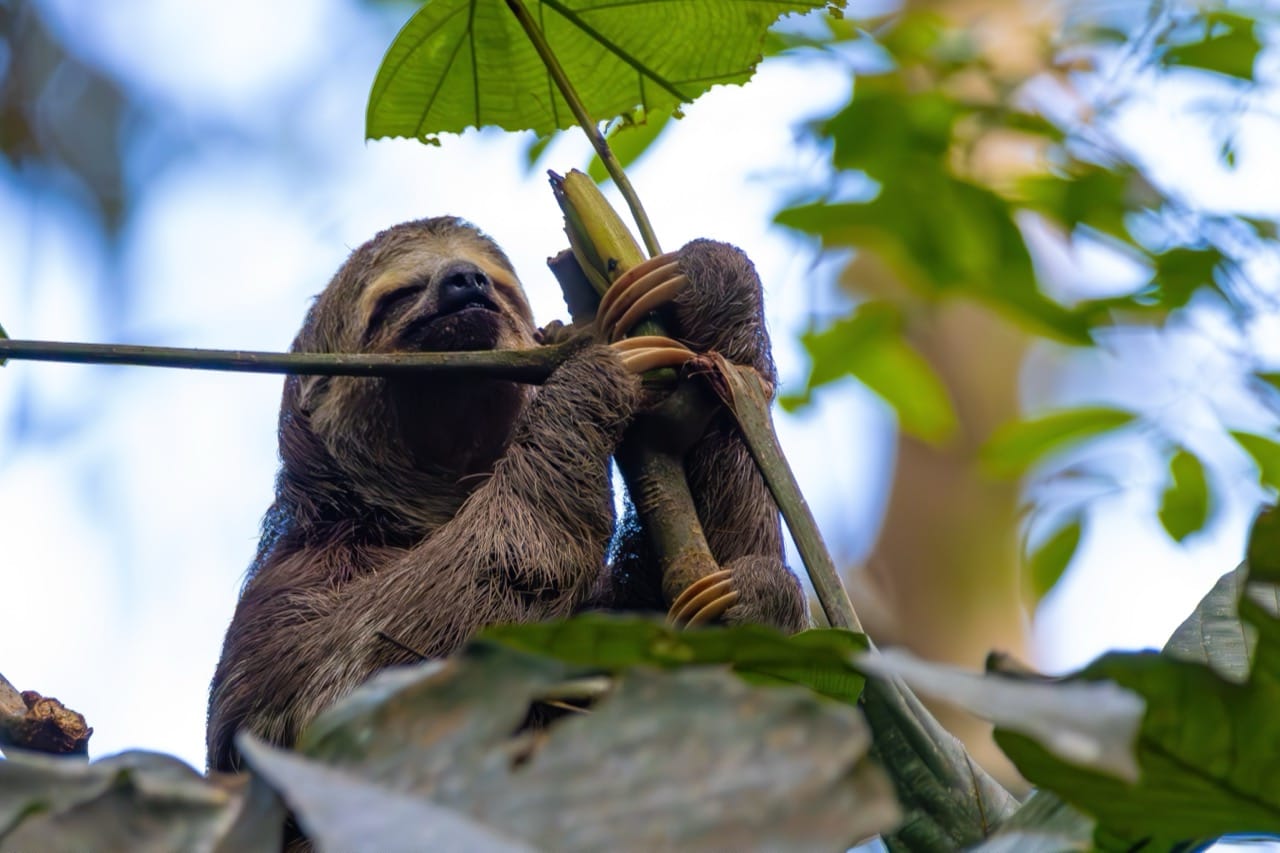
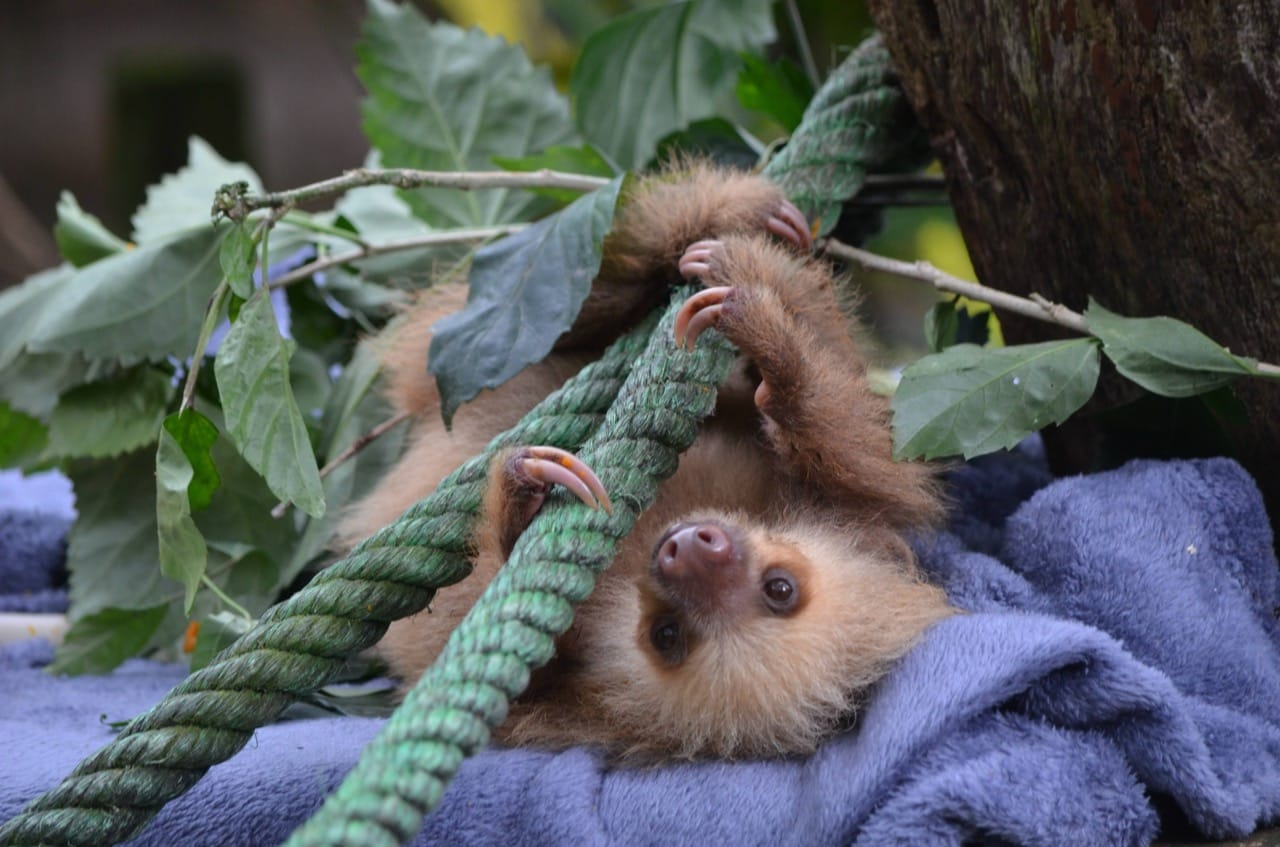
Which mammal group is characterized by a unique form of locomotion and anatomy including extra joints in the spine, and includes armadillos, sloths, and anteaters?
13
Which Mesozoic mammal is widely known from exceptionally preserved fossils showing fur and was discovered in Liaoning, China?
14
What is the name of the supercontinent whose breakup helped shape early mammal biogeography, including the separation of Gondwana and Laurasia?
15
What is the name of the mammalian jaw joint that replaced the reptile-like articular–quadrate joint?

16
What is the name of the extinct, fully aquatic whale with tiny hind limbs that provides evidence of whale descent from land mammals?
17
Which mass extinction event at the end of the Cretaceous period opened many ecological niches that allowed mammals to rapidly diversify?
18
Which early mammal relative from the Triassic is often cited as being very close to the origin of true mammals?
19
Which fossil site in Germany is famous for exceptionally preserved Eocene mammals and other organisms, providing key insights into early modern mammal ecosystems?

20
What term describes the gradual evolutionary shift from non-mammalian synapsids to true mammals?
0
out of 20