Parrot Hotspots and Homelands Trivia Trail



Quiz Complete!
Parrot Hotspots and Homelands: Where the World’s Most Famous Parrots Live
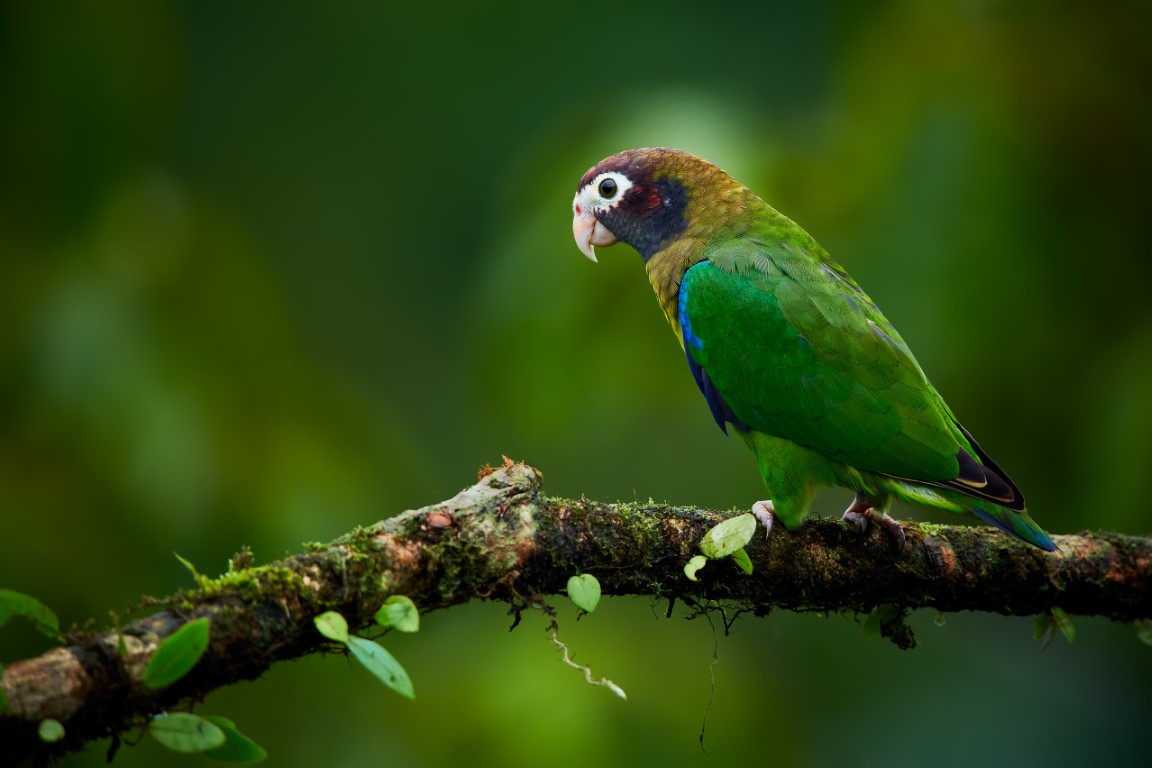
Parrots may look like they belong everywhere, but most species are surprisingly picky about where they can thrive. Their natural ranges are shaped by climate, food plants, nesting sites, and even the presence of predators. If you imagine a world map while thinking about hooked beaks and bright feathers, you will notice a strong pattern: parrots cluster in warm regions, especially in the Southern Hemisphere, and many live in very specific habitats that can be easy to damage and slow to recover.
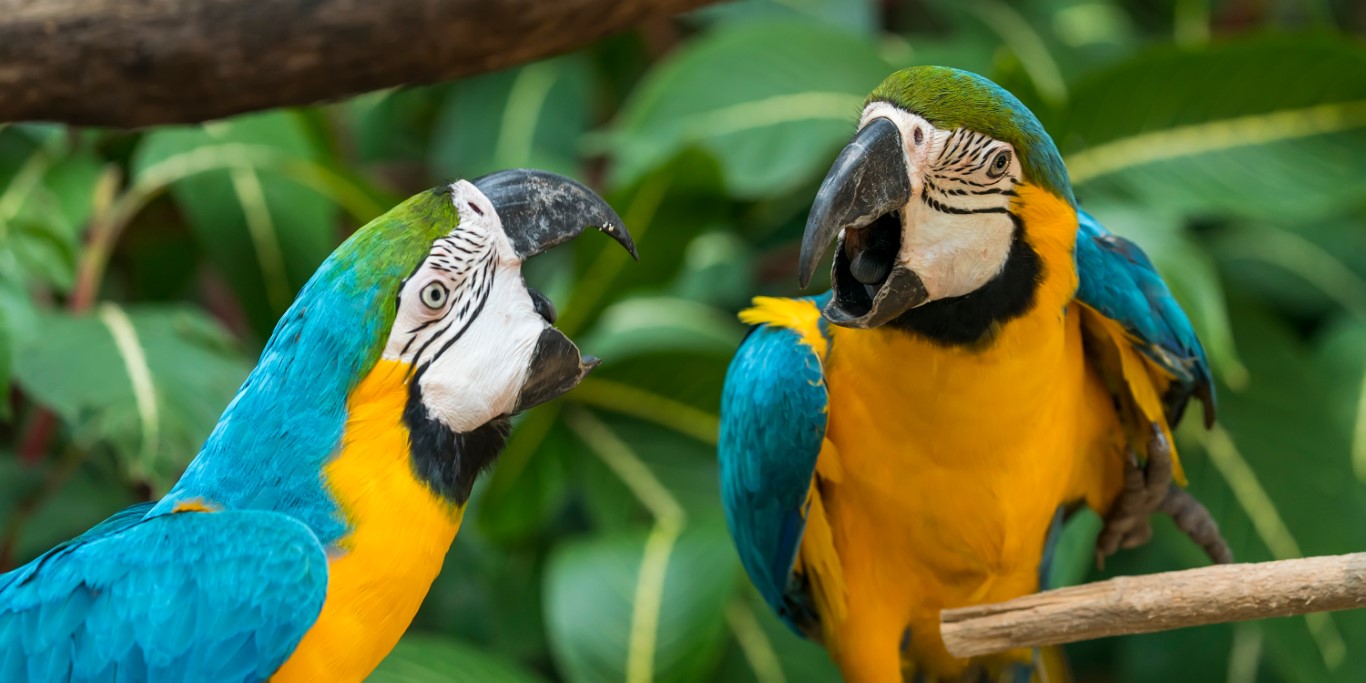
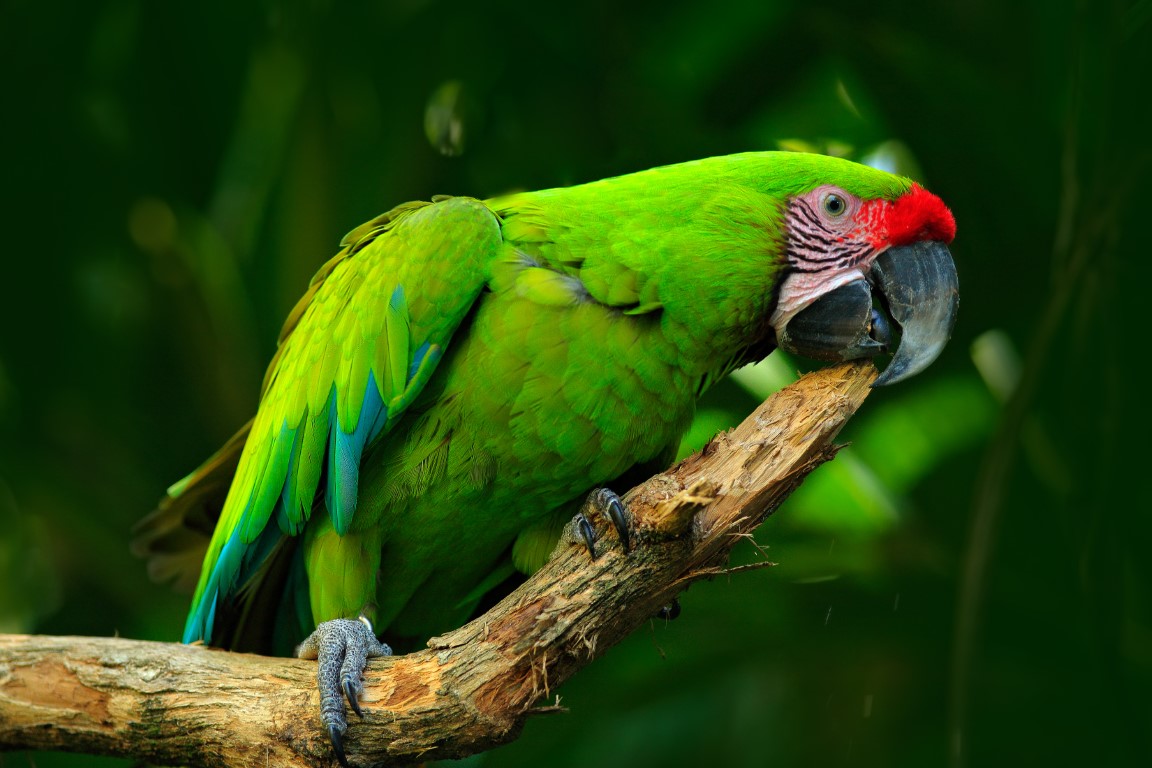
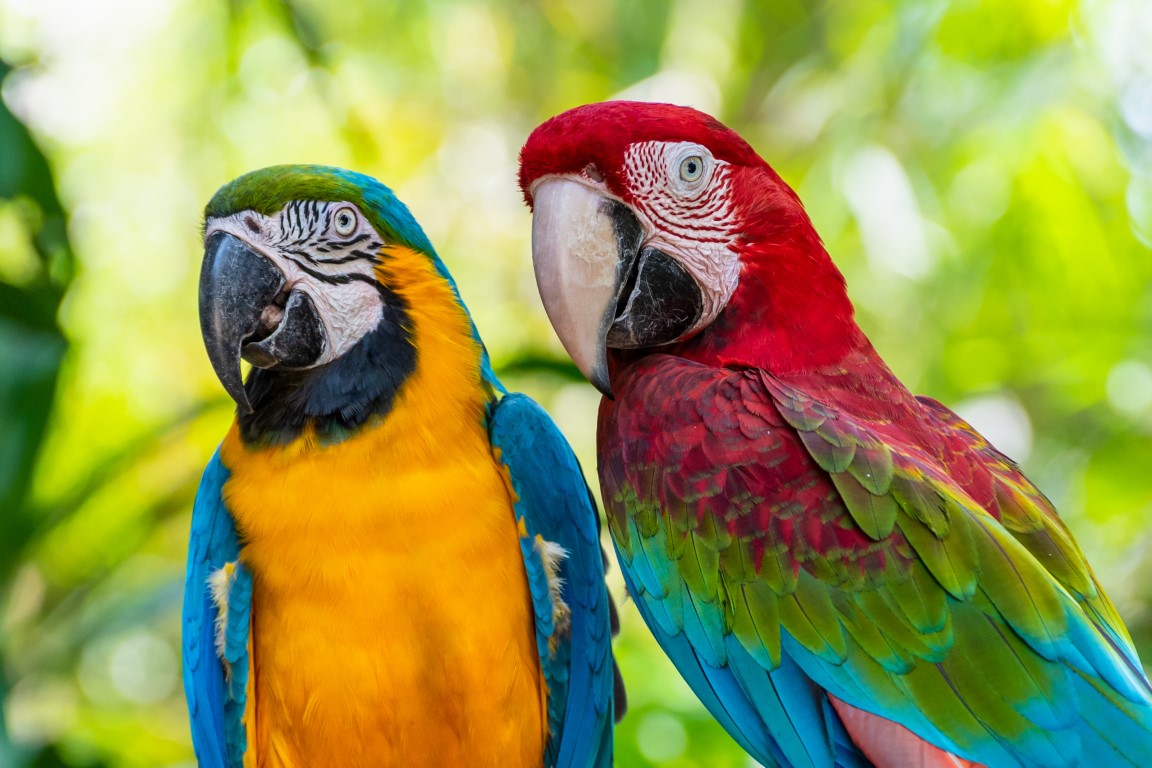
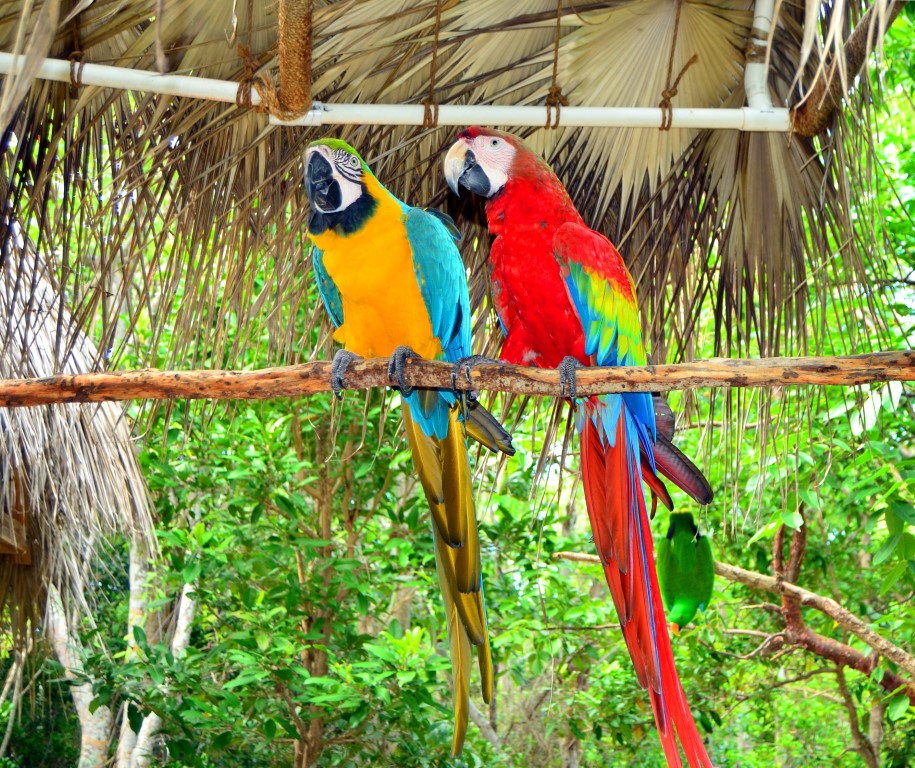
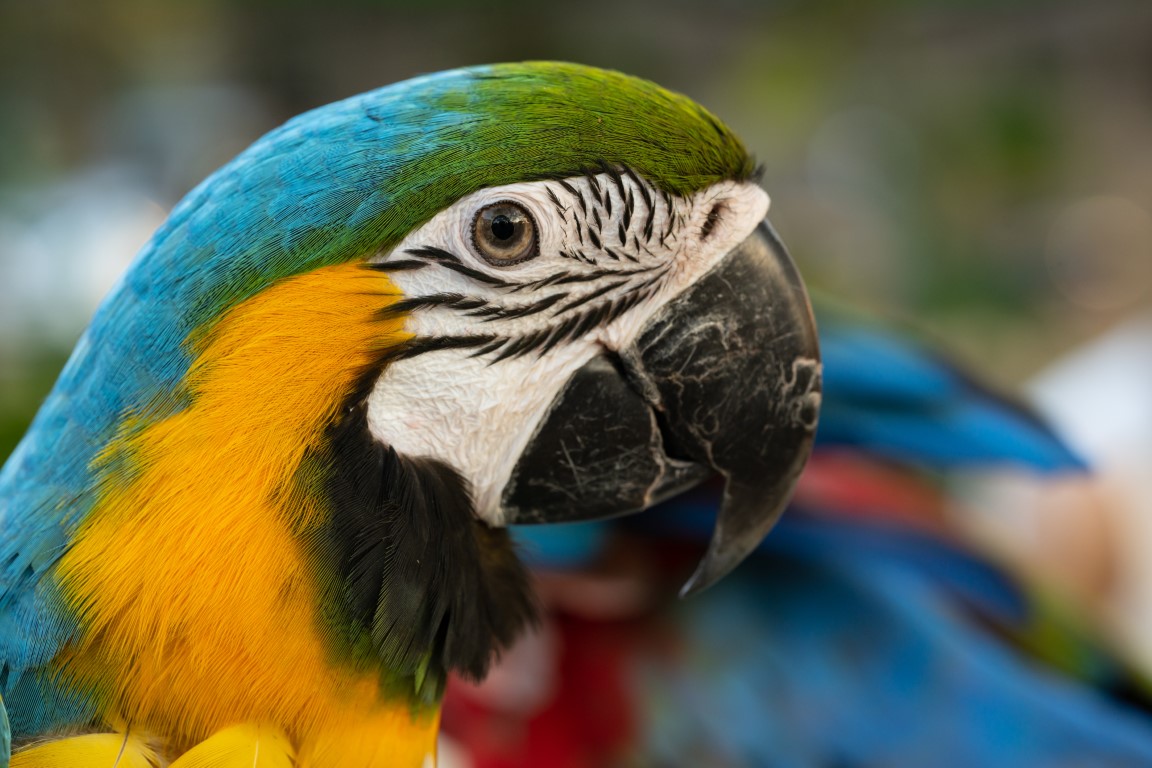
The greatest parrot diversity is found in the tropics, with South America standing out as a major hotspot. The Amazon Basin and surrounding forests support an impressive variety of macaws, amazons, conures, and parakeets. Iconic macaws, such as the scarlet macaw and blue and yellow macaw, are strongly associated with the rainforests and river corridors of countries like Brazil, Peru, Bolivia, and parts of Central America. These large parrots often depend on old trees for nesting cavities and travel long distances to reach seasonal fruiting trees and clay licks, where they consume mineral rich soil that may help neutralize toxins from their plant heavy diets.
Central America hosts famous species too, including the scarlet macaw in places like Costa Rica and Honduras, but their ranges can be fragmented, making local conservation efforts crucial. Meanwhile, the Caribbean tells a different story: islands can produce rare parrots found nowhere else. The Puerto Rican amazon is one of the best known examples of an island endemic that became critically endangered due to habitat loss and storms, then began recovering through intensive management. Island parrots often have small populations because they evolved in limited space, which makes them vulnerable to hurricanes, invasive predators, and disease.
Across the Atlantic, Africa’s parrots include the well known African grey, native to the forests of West and Central Africa. Its reputation for mimicry has increased demand in the pet trade, and combined with deforestation this has put pressure on wild populations. Africa also has habitat specialists, such as parrots that favor savannas or woodland mosaics, where they may rely on seasonal seed crops and scattered nesting trees.
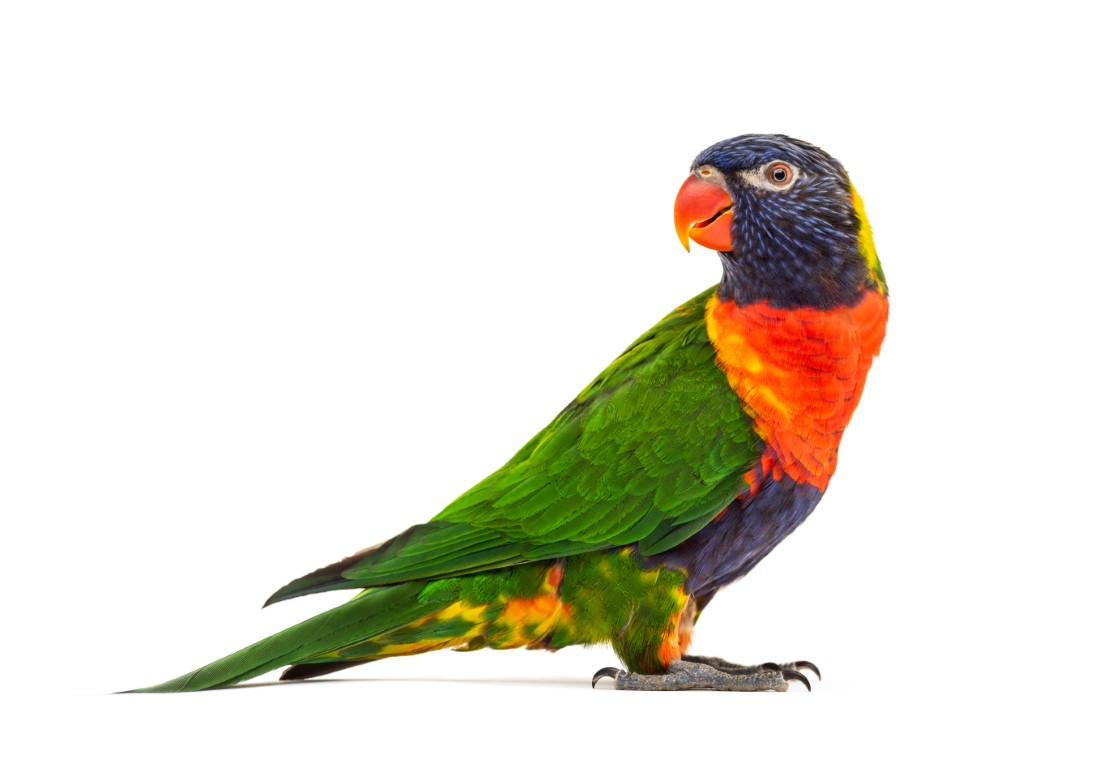
In Asia, parrots range from India and Sri Lanka through Southeast Asia to Indonesia. Some, like ring necked parakeets, adapt well to human altered landscapes and have even established feral populations in cities far outside their native range. Others are tightly tied to primary forests and are far less flexible. Indonesia and nearby island chains are especially important for parrots, including lories and lorikeets that feed on nectar and pollen, using brush tipped tongues to harvest food from flowering trees.
Australia and nearby regions form another major parrot realm. Cockatoos naturally belong to Australia, New Guinea, and surrounding islands, with species ranging from the widespread sulphur crested cockatoo to more localized cockatoos that depend on specific woodland types. Australia is also home to many parrots adapted to dry environments, such as budgerigars, which track rainfall and seed flushes across arid landscapes. This shows how geography shapes survival strategies: rainforest parrots may follow fruiting cycles in dense canopy, while desert and savanna parrots may roam widely to find temporary abundance.
Because so many parrots depend on old growth trees, intact forests, or isolated islands, conservation is inseparable from geography. Protecting nesting sites, maintaining habitat corridors, controlling invasive species on islands, and reducing illegal trade all matter. Knowing where parrots live is not just a map skill for trivia night; it is a shortcut to understanding why these birds are so diverse, so specialized, and in many places, so urgently in need of protection.