Parrot Timeline Challenge From Darwin to DNA






Quiz Complete!
Parrot Timeline Challenge From Darwin to DNA
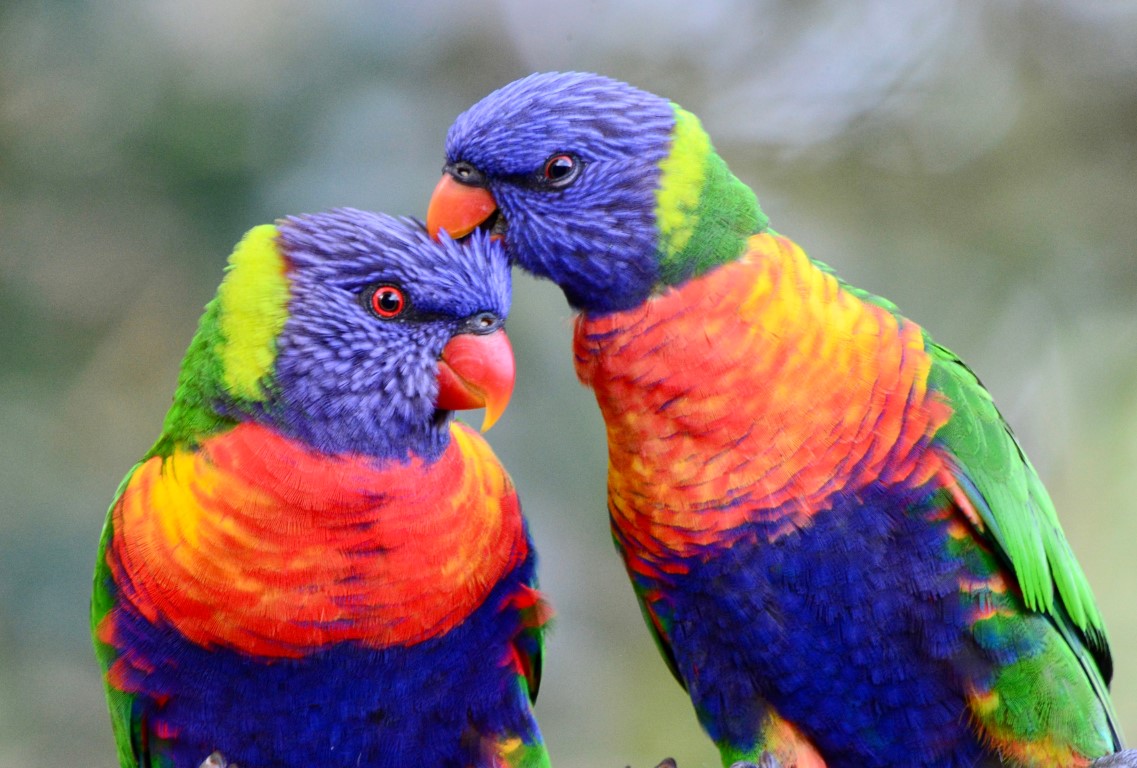
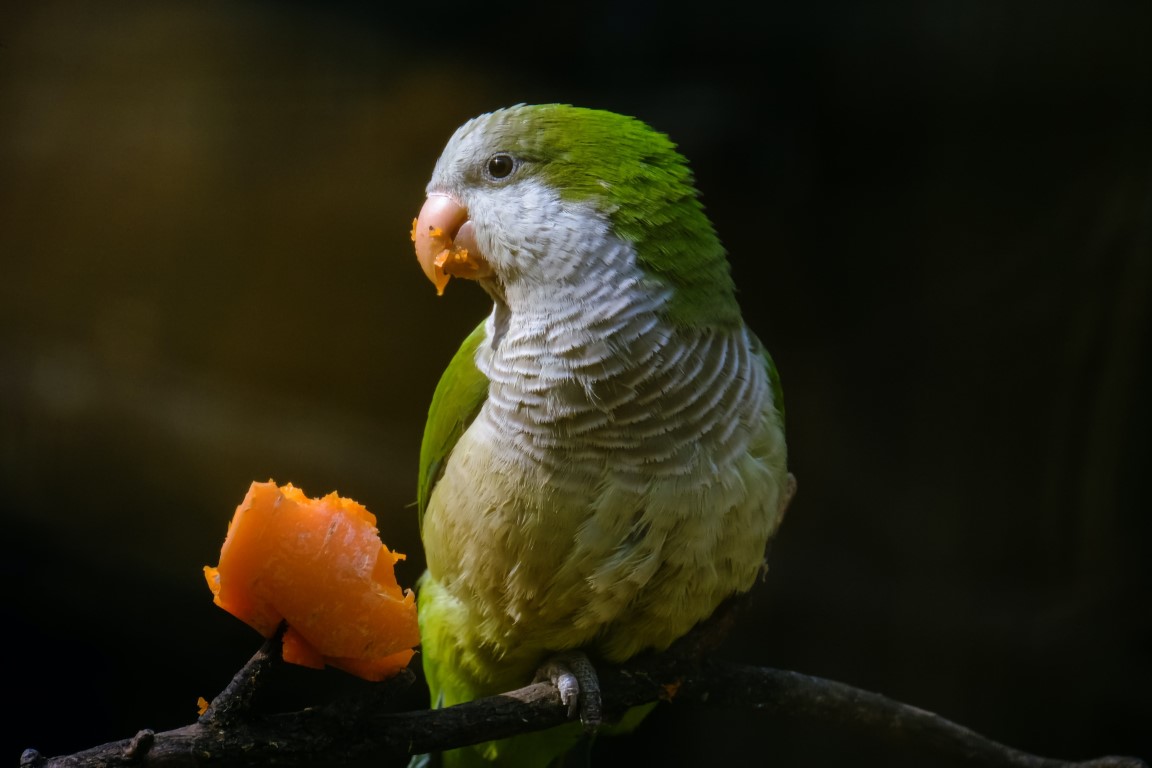
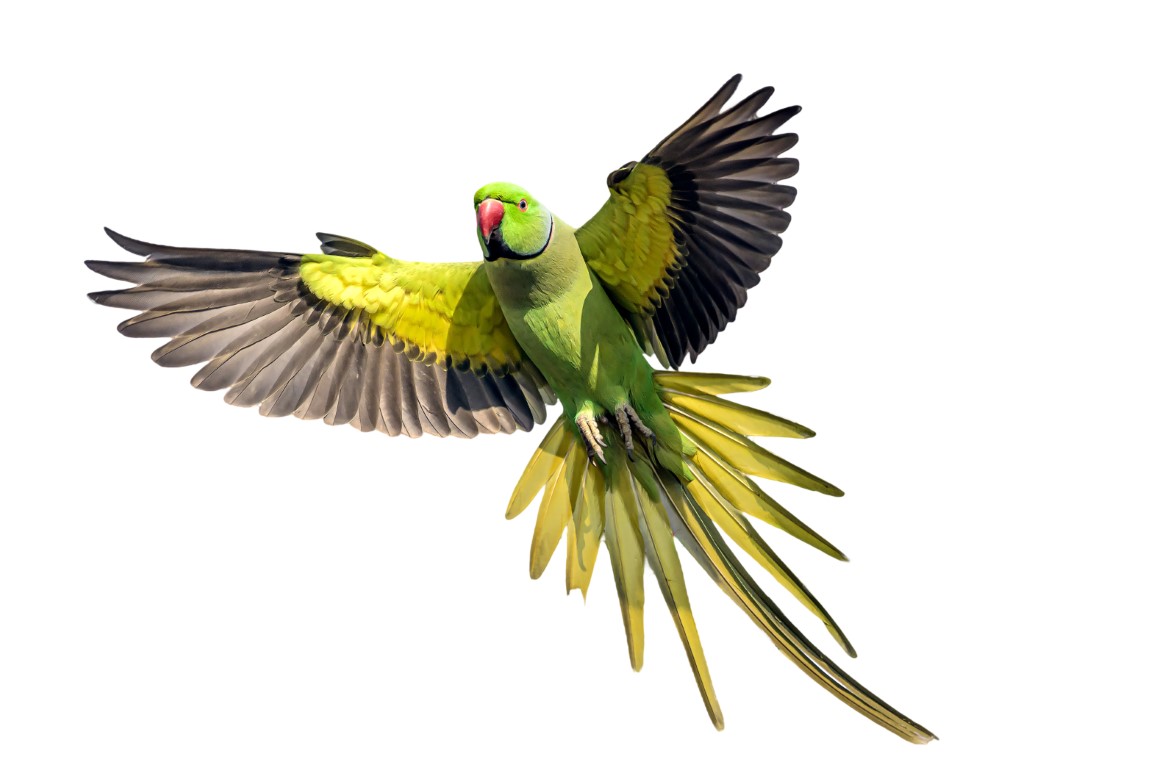
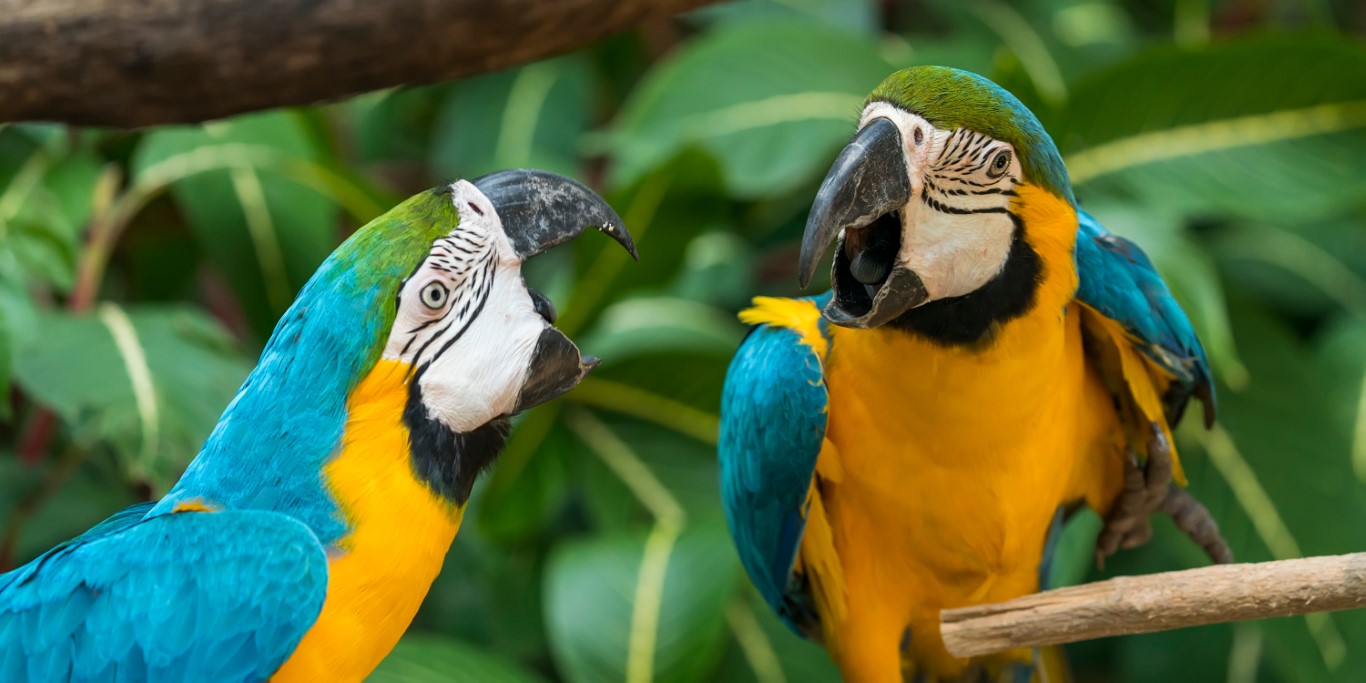
Parrots have always been more than colorful birds in a jungle canopy. They are time travelers in the sense that our understanding of them has been built step by step across centuries, shaped by exploration, natural history, new technologies, and changing ideas about animal minds and conservation. Early European encounters with parrots were often recorded as curiosities brought back from overseas voyages, but those sketches and trade records helped establish that parrots were widespread across the tropics and surprisingly diverse. As natural history matured in the 1700s and 1800s, collectors and museum scientists began describing species systematically, building the first reliable catalogs of macaws, cockatoos, parakeets, and lorikeets.
The 1800s also reshaped how people thought about where parrots fit in the tree of life. Charles Darwin did not write a parrot book, but the publication of On the Origin of Species in 1859 changed everything about classification. Instead of grouping parrots only by appearance, scientists increasingly looked for evolutionary relationships. Over time, anatomy, behavior, and later genetics would challenge older assumptions. For example, parrots share a distinctive skull and beak structure, and their zygodactyl feet, with two toes forward and two back, support climbing and manipulation. Yet within the parrot world, convergent evolution can make unrelated species look similar, which is why later methods became so important.
In the 1900s, parrots entered a new era of public attention. The pet trade expanded dramatically, and with it came increased trapping pressure on wild populations. At the same time, field biology grew more rigorous, with long-term studies documenting flock dynamics, nesting ecology, and the slow reproductive rates that make many parrots vulnerable. A major global turning point for wildlife policy arrived in the 1970s with CITES, the Convention on International Trade in Endangered Species of Wild Fauna and Flora. This treaty, which entered into force in 1975, created a framework to regulate and monitor international trade. Many parrots were listed under its appendices, and the agreement became one of the most influential tools for reducing unsustainable cross-border trade, even though illegal trafficking remains a persistent problem.
Scientific milestones kept coming. Researchers began to treat parrots as serious subjects for studying intelligence, vocal learning, and social communication. Work with African grey parrots became especially famous for demonstrating that a parrot could learn labels for objects, colors, and quantities in ways that went beyond simple mimicry. These studies helped shift public perception from parrots as repeating machines to parrots as cognitively complex animals with strong social needs. That change in attitude fed directly into welfare debates: how to provide enrichment, social contact, and ethical breeding practices for birds that can live for decades.
By the late 20th and early 21st centuries, technology started to transform parrot research. Satellite telemetry and GPS tags made it possible to track movements of larger species, revealing seasonal migrations, daily commuting routes, and the importance of specific feeding or roosting sites. Conservationists could then argue for protecting not only nesting trees but also the broader landscapes parrots depend on. DNA sequencing delivered another leap. Genetic tools clarified confusing relationships among species, uncovered hidden diversity, and helped identify the origin of trafficked birds. Genomics also offered insights into why parrots are such capable vocal learners, highlighting gene networks tied to brain development and communication.
Today, the parrot timeline is a story of expanding empathy and precision. What began as sketches of bright feathers has become a sophisticated mix of ecology, law, cognition, and molecular biology. The most satisfying timeline questions are the ones that connect these threads: the moment evolutionary thinking reframed classification, the treaties that turned concern into policy, and the breakthroughs that revealed parrots as both fragile in the wild and remarkably complex in mind. Knowing the dates is fun, but knowing what changed because of them is what makes the history of parrots truly memorable.