Saddles and Stories Horse Culture Trivia




Quiz Complete!
Saddles and Stories: How Horses Shaped Culture, Power, and Play
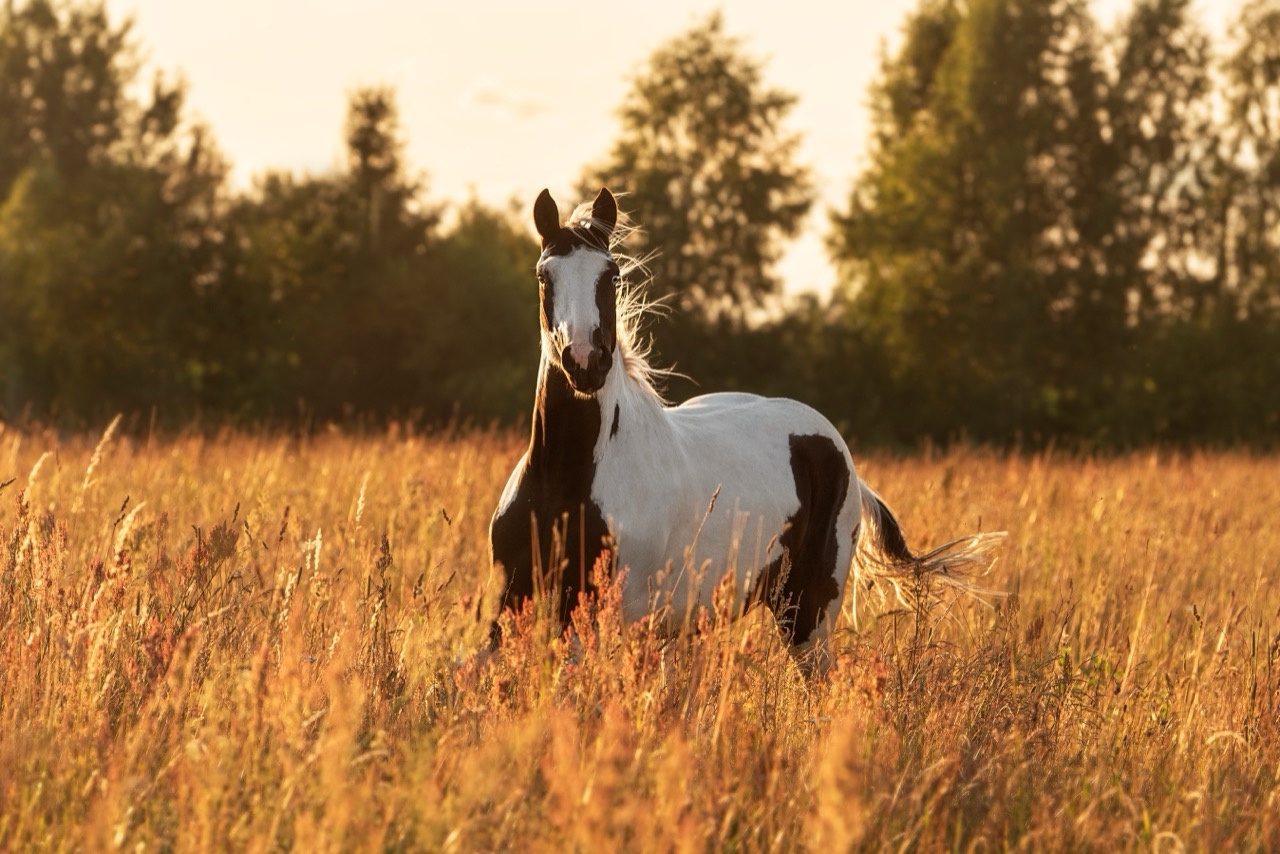
Long before engines or railways, horses were among humanity’s most influential partners. They moved people, goods, and ideas, but they also carried meanings: prestige, freedom, discipline, and even the favor of gods. Across continents, horse culture developed in ways that reflected local landscapes and social structures, from grassland empires built on speed to courtly traditions built on ceremony.
On the Eurasian steppe, the horse was a foundation of daily life. Nomadic societies relied on mounted herding, long-distance travel, and rapid communication. Mobility was power, and it could be translated into military advantage. Mounted warfare did not just add a new tool to battle; it changed the scale of what states could control. Cavalry and later highly organized horse archers helped create and defend vast territories, allowing rulers to project force quickly and to keep far-flung regions connected.
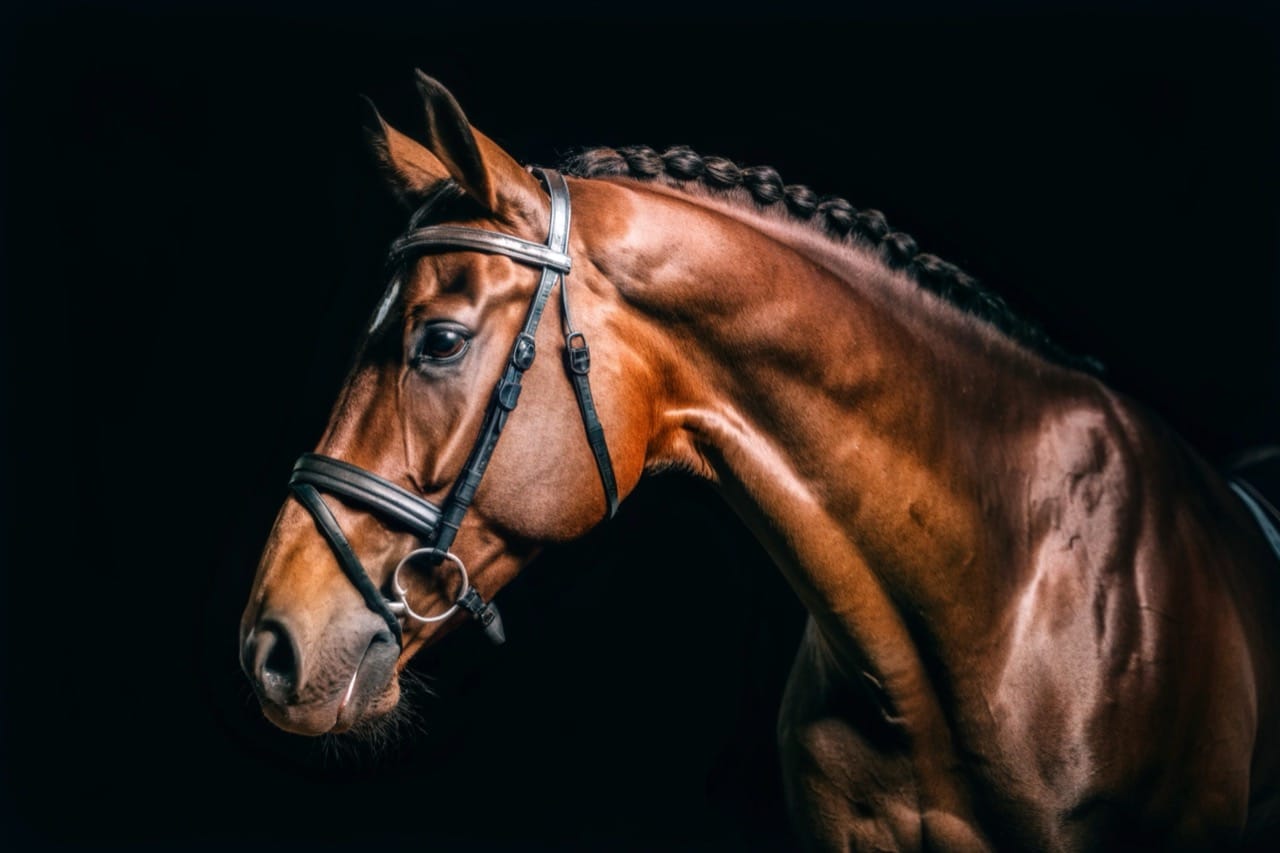
In medieval Europe, horses became symbols of class as well as practical necessities. Warhorses were expensive, trained, and often associated with knightly identity. The equipment around them mattered too. Saddles evolved to give riders stability, and stirrups helped deliver force and control. Tack terms still used today, like bridle, bit, and reins, come from long experimentation with how to communicate with a powerful animal using subtle pressure and timing. These details were never merely technical; they shaped the style of riding, the look of parades, and the rituals of status.
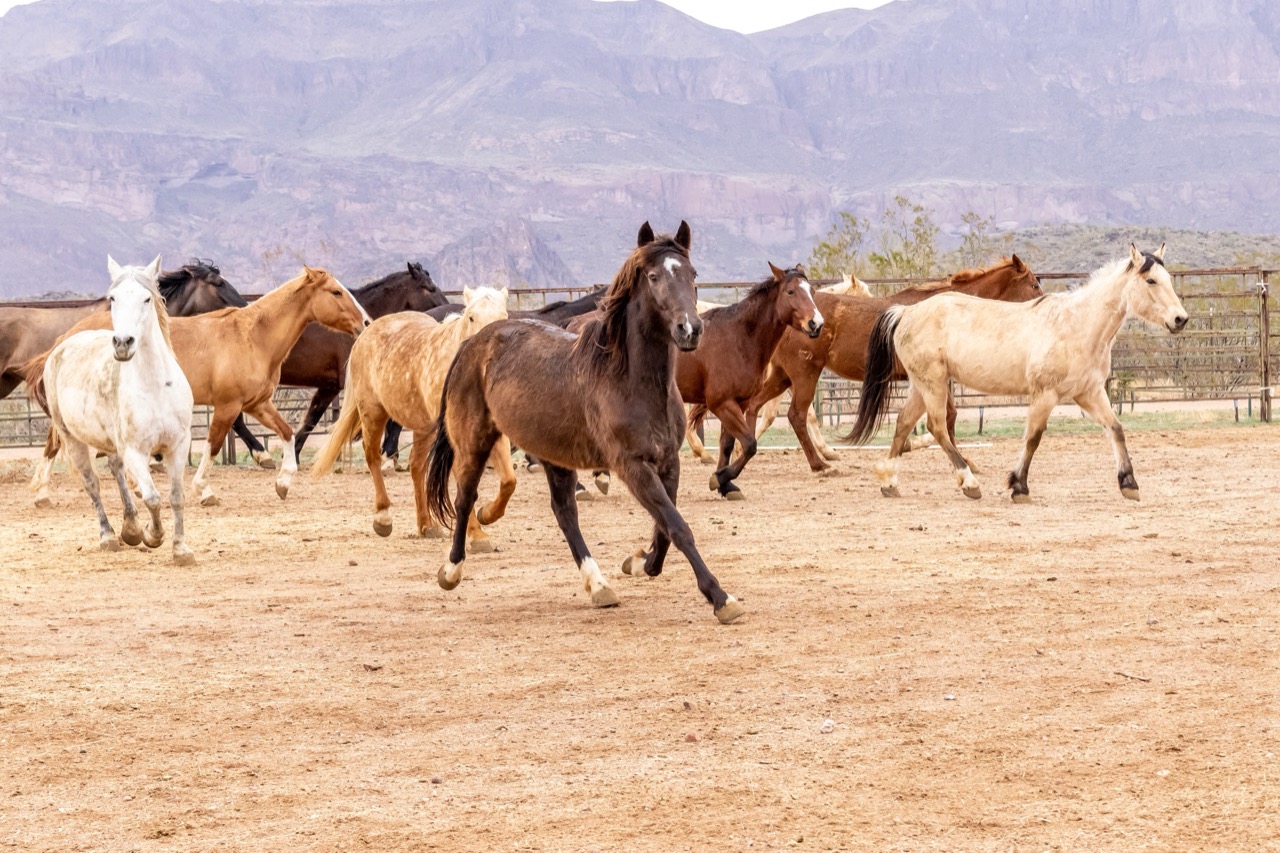
Many horse breeds became tied to national identity or regional pride. The Arabian is celebrated for endurance and refinement, shaped by desert travel and selective breeding. The Andalusian is often linked with classical riding traditions and the spectacle of courtly horsemanship. The Thoroughbred, developed for speed, sits at the center of modern racing culture, where pedigrees are tracked with almost genealogical obsession. In colder regions, sturdy draft breeds pulled plows and wagons, making them essential to agriculture and industry. Each type reflects human needs and local conditions, and breed stories often blur into legend.
Horses also left deep tracks in language. People still speak of being “on a high horse,” “holding the reins,” or hearing something “straight from the horse’s mouth.” These phrases preserve old realities: height as authority, reins as control, and the horse as a trusted source in a world where transport and communication depended on stables and riders.
Religion and ceremony give horses another layer of meaning. In some cultures they appear in myths as divine messengers or heroic companions. In others, they feature in processions and festivals where the animal’s beauty and training display communal identity. Modern parades, mounted police units, and royal guards continue this tradition, turning practical skills into public pageantry. The precise movements of a ceremonial mount or the polished tack of a guard unit are not just decoration; they signal discipline, continuity, and collective memory.
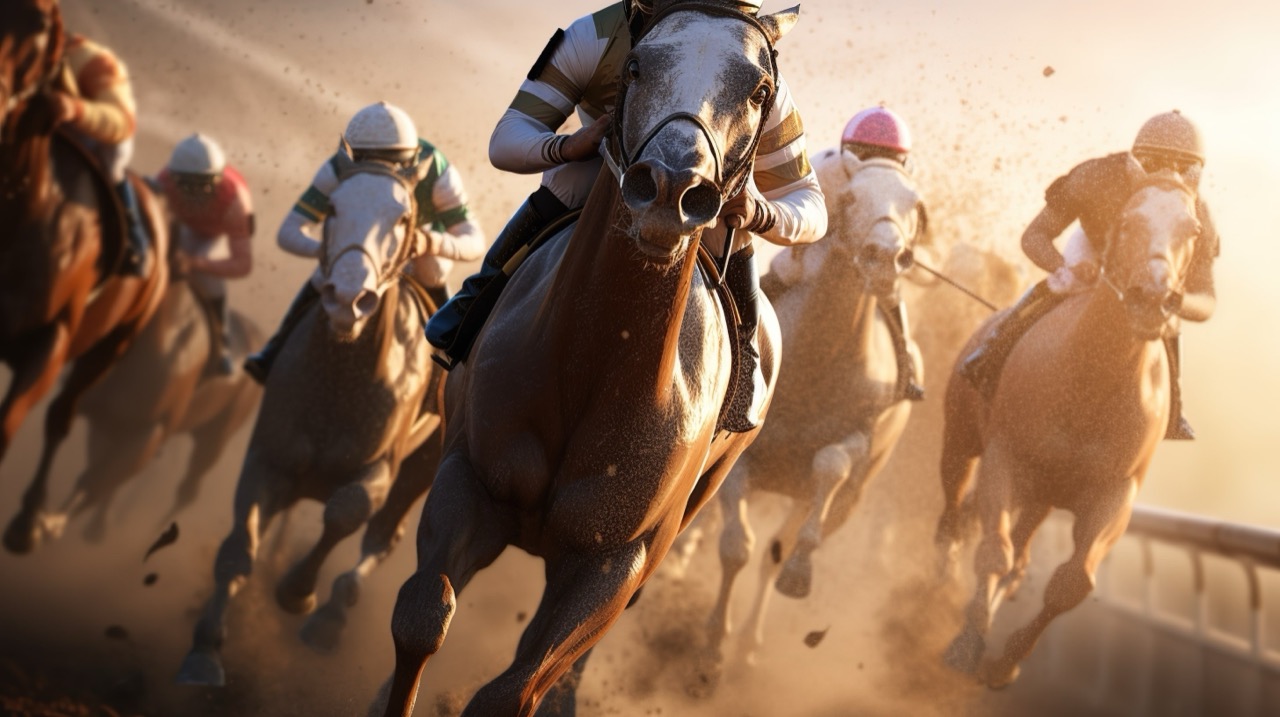
Sport keeps horse culture visible and evolving. Polo, with roots in older training games, became a global symbol of elite competition while also demanding extraordinary horsemanship and teamwork. Racing, from local tracks to international events, blends athletic performance, economics, and tradition, with rituals that range from colorful silks to time-honored trophies. Even recreational riding carries cultural echoes in disciplines like dressage, which preserves elements of classical training, and rodeo traditions that grew from working ranch skills.
What makes horse culture so enduring is its mix of practicality and story. Horses helped build empires and farms, but they also shaped art, language, and public ritual. To learn horse trivia is to follow a trail that runs from ancient battlefields to modern stadiums, from quiet barns to grand streets filled with hoofbeats and history.